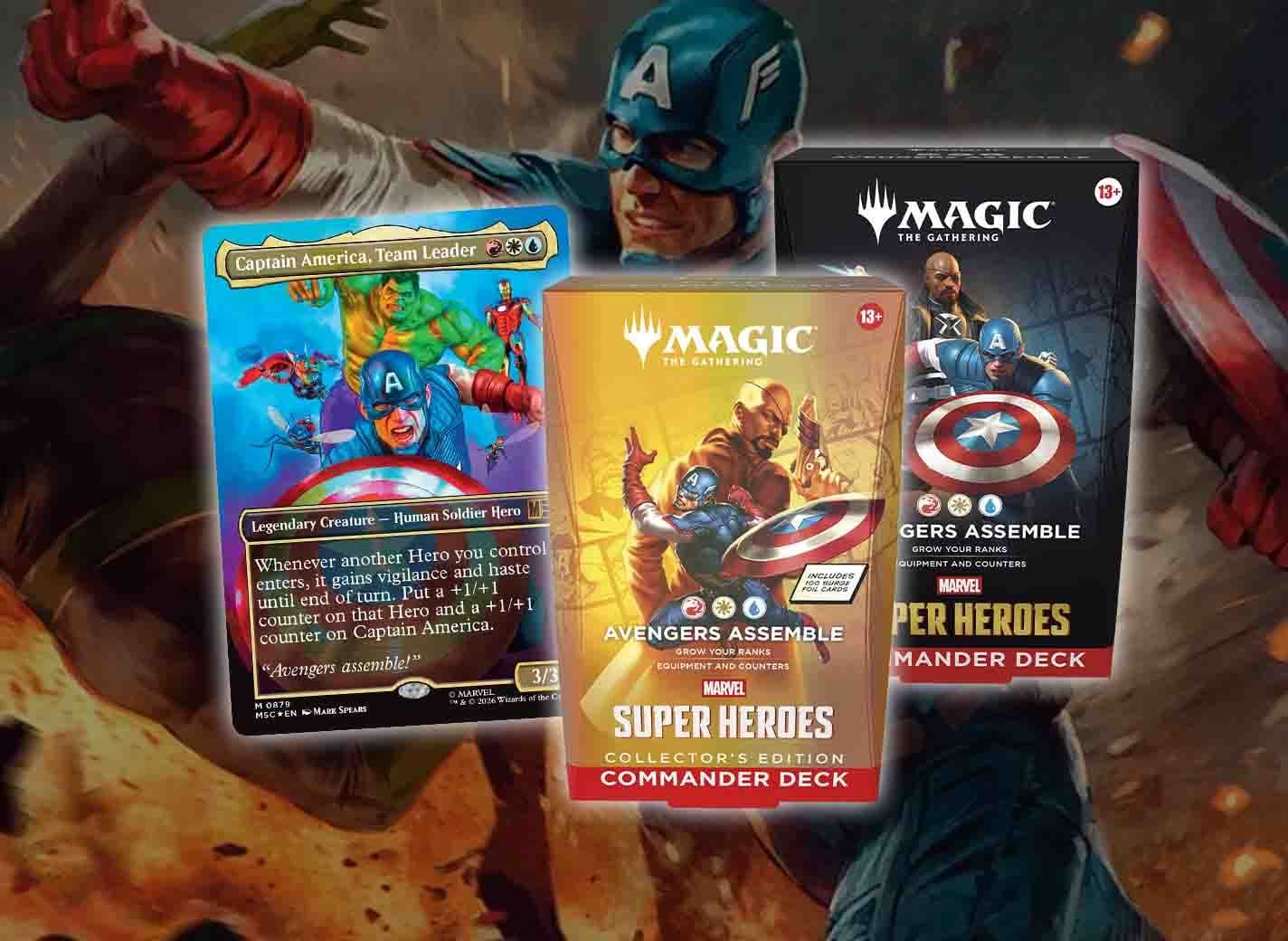
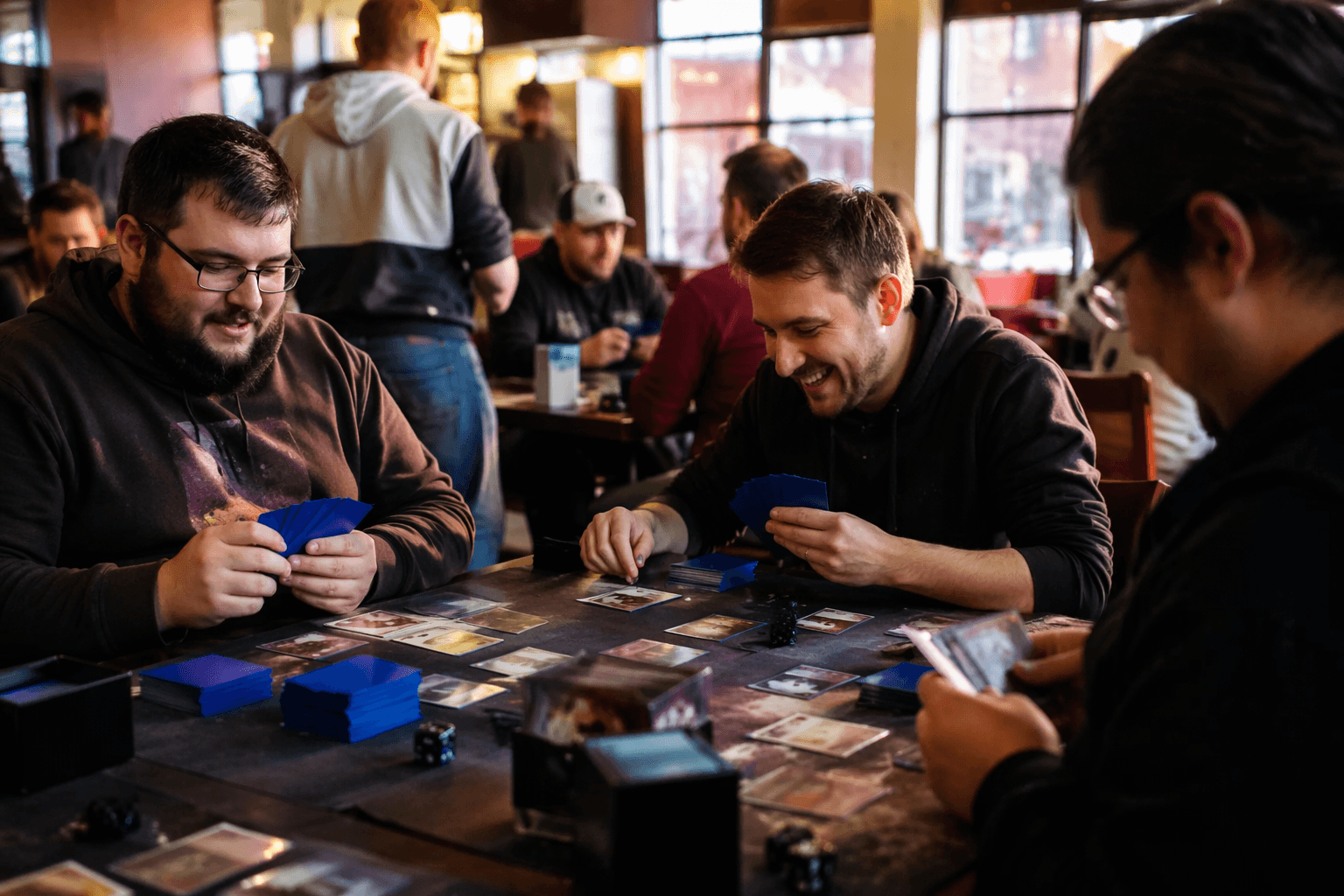
Should experienced Commander players hold back against newer opponents?
Hold back just enough to keep a new pod fun, but not so much that you fake a fair game. The real skill is reading the table before you fire off your best line.
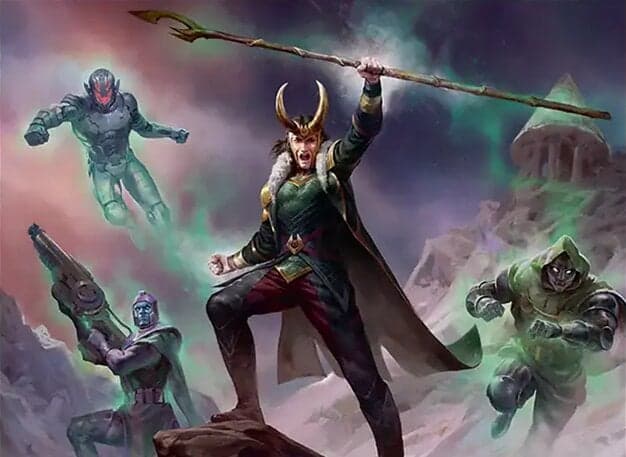
Keep the Mana Crypt in hand for a turn if the table is still counting triggers and reading commanders. If your opener can jump from setup to a turn-three lock, and the other three players are still figuring out sequencing, you are not really playing the same game anymore. In Commander, that matters because the format is officially built as a 100-card, one-commander, multiplayer experience for 3 to 5 players, and Wizards describes it as a casual format meant to promote social games of Magic.
The table comes first
Commander works because the pod is supposed to feel shared, not solved. The official philosophy says the format is social and that players should be considerate of everyone involved, and the Commander Rules Committee has been blunt about one important point: simply following the rules is not enough to create a good play experience. That is exactly why this conversation is not about soft play or fake mistakes. It is about knowing when your best line would crush the room’s ability to participate, and choosing a different line because the game is better that way.
That distinction matters even more now that Wizards has pushed clearer power-level communication through Commander Brackets. The beta arrived on February 11, 2025 as a matchmaking system, and it was updated on February 9, 2026 after Wizards said it was weighing Commander Format Panel opinions, broader social sentiment, and player survey data. The message behind that update is simple: strength is not just about the cardboard in your deck, it is also about how cleanly you pilot it and how well your pod understands what is coming.
When holding back is the right move
If you sit down across from newer players, do not treat every opening hand like a puzzle that must be solved as efficiently as possible. A fast-mana start that lets you vomit your hand onto the battlefield looks impressive for one turn, then it usually turns into a lesson nobody asked for. Sandbagging the explosive piece, taking an extra turn to develop normally, or choosing a lower-ceiling line can keep the game from becoming a speedrun.
The same logic applies to tutors. If you have a straight line to your win and the table is still learning basic threat assessment, fetching that exact combo piece is legal, but it is not always wise. A better line is often to tutor for a card that keeps your deck moving without ending the game on the spot, especially if the newer players have not had time to build board presence, answer threats, or even understand why they are behind.
That is not charity, it is calibration. Commander’s history, from fan-created Elder Dragon Highlander to official Wizards products first released in June 2011, has always been tied to the idea that the game should breathe. Wizards reinforced that in September 2024 when it said Commander historically reflects a slower pace than traditional formats, one that gives decks room to develop and do different things.
How to signal power before turn one
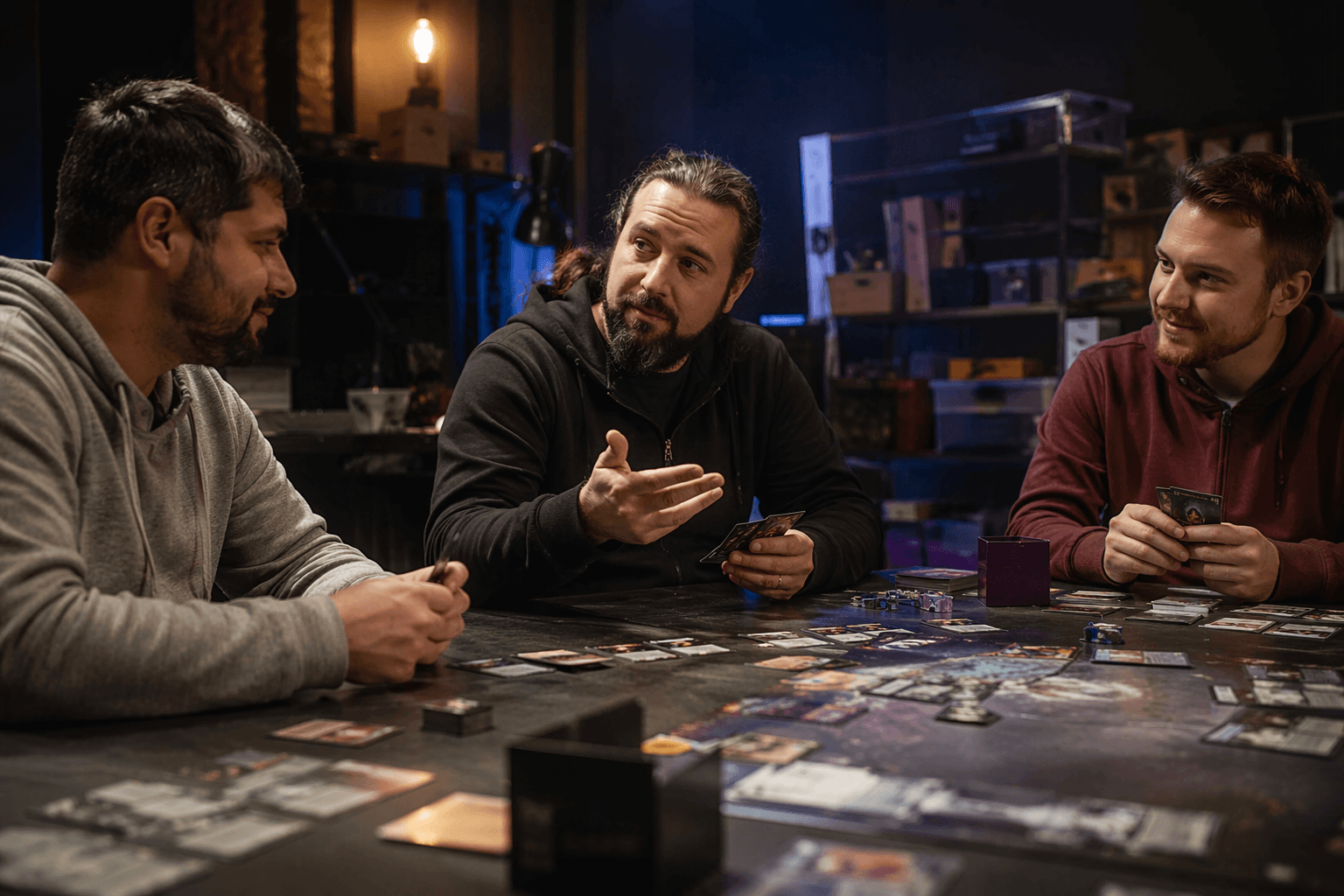
The cleanest way to avoid an awkward mismatch is to talk before the first land drop. Commander Brackets exists because the game needs better language for power level than a shrug and a deck box, and that is especially true in mixed-experience pods. If your list has fast mana, compact combos, and efficient tutors, say so plainly. If you are bringing something strong but not tuned to end the game early, say that too.
A good pregame explanation does not need a dissertation. Try something closer to this:
- This is a strong mid-power list, not a cEDH deck.
- I can explode early if I draw fast mana, so I may keep a slower hand on purpose.
- My win condition is real, but I am not going to rush for it unless the table is all at that level.
That kind of statement does two jobs at once. It tells newer players what to expect, and it tells experienced players you are not trying to manufacture a lopsided pod just because your deck can do it. In a format where a good pilot can make a medium-power deck feel oppressive, that honesty matters as much as the list itself.
Skill can warp how a deck feels
One of the most useful ideas in this whole debate is that player skill is a factor in perceived power level. A veteran can make a fair-looking list feel suffocating by sequencing perfectly, conserving interaction, and timing threats so the table never gets stable. On the other hand, a newer player can struggle to convert even a strong pile into actual pressure if they are still learning stack timing, threat assessment, and when to commit resources.
That is why “I should play my deck at full blast because it is not technically overpowered” is a weak argument in a mixed pod. A deck’s raw power is only part of the picture. The rest is pilot skill, table familiarity, and how much room the other players have to make decisions before your deck starts dictating the game.
Teach the game without turning the pod into a clinic
If you are the most experienced person at the table, you can help without becoming a backseat driver. A quick explanation like “I am holding this removal spell because the biggest threat is still developing” gives newer players a window into how experienced Commander games are evaluated. That is useful. A long lecture after every stack interaction is not.
The better habit is to make your choices legible. Announce triggers clearly, point out obvious board states, and avoid angle-shooting for information the other players are still learning to track. If you can win through a cleaner, slower line that lets everyone stay engaged, that is usually the line worth taking. Commander’s social identity depends on that kind of restraint, not on treating the table like an obstacle course.
The real flex is leaving space for the pod
Experienced Commander players do not need to play badly to be kind. They need to know when the technically strongest play would flatten the room, when a tutor should find value instead of a kill, and when a fast-mana hand should be played like a normal opening instead of a flex. That is the difference between winning a game and making a pod feel like it got run over.
Commander has always been a social format first, from its Elder Dragon Highlander roots to the Brackets conversation now shaping how players communicate expectations. If you are the veteran at the table, the best thing you can do is make sure the newer players get to cast spells, make mistakes, and still want to come back. That is the kind of win that keeps Commander doing what it was built to do.
This article was produced by Prism’s automated news system from verified source data, official records, and press releases, then run through automated quality and moderation checks before publishing. The system is built and supervised by the people who set the standards it runs under. Read our full AI policy.
Did this article answer your question?