Spike Feeders test Marvel Super Heroes commanders in early deck battle
Marvel Super Heroes commanders already look playable in the wild, and The Spike Feeders’ early battle shows which legends have real shells, not just hype.

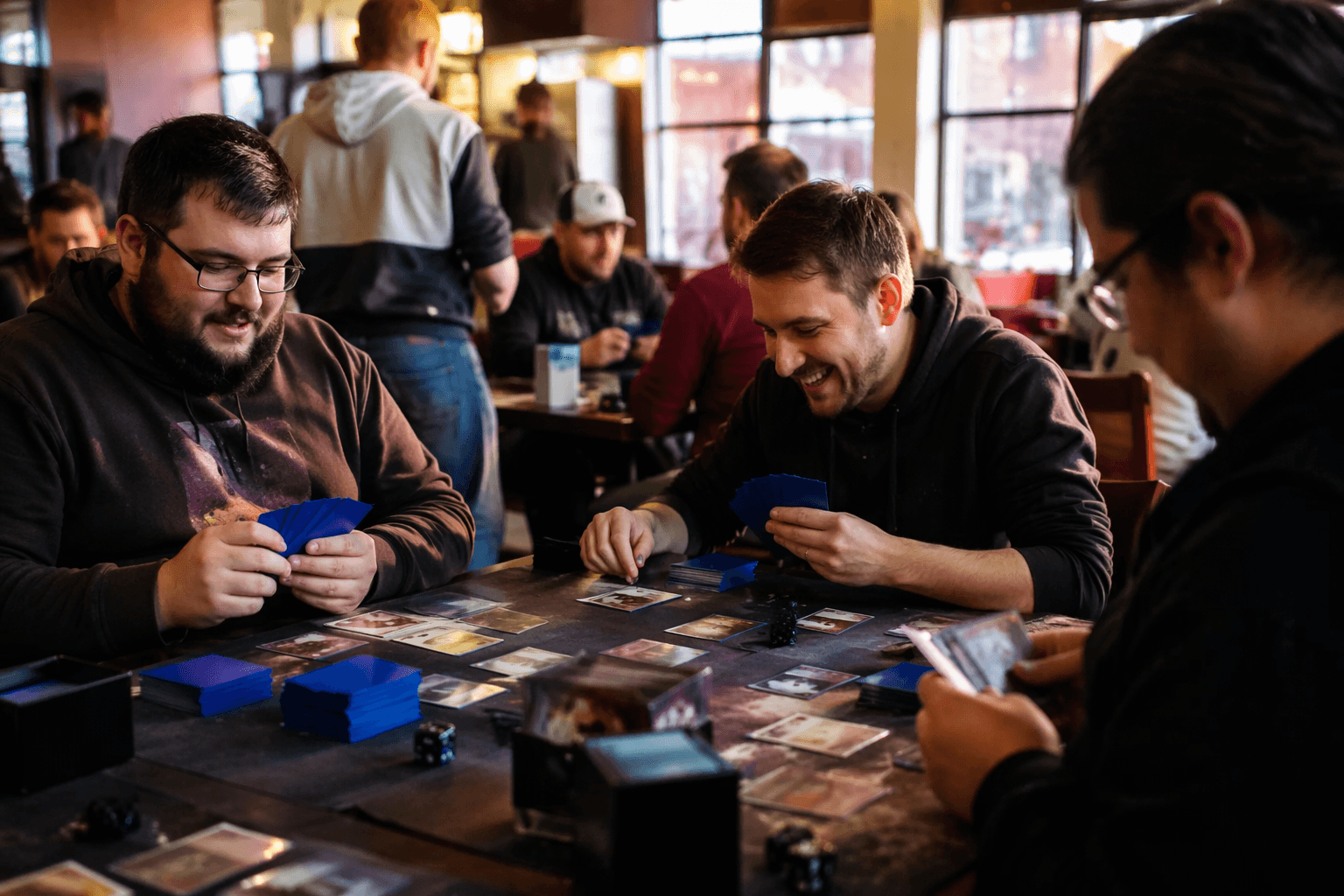
The fastest way to judge a new Commander release is not by staring at spoiler text, it is by watching the cards shuffle up and do real work. That is exactly why The Spike Feeders’ Marvel Super Heroes battle is worth your time: four brand-new Marvel brews hit the table before the set reaches shelves, and two of them already look like decks you could register with confidence.
Why this battle matters before release
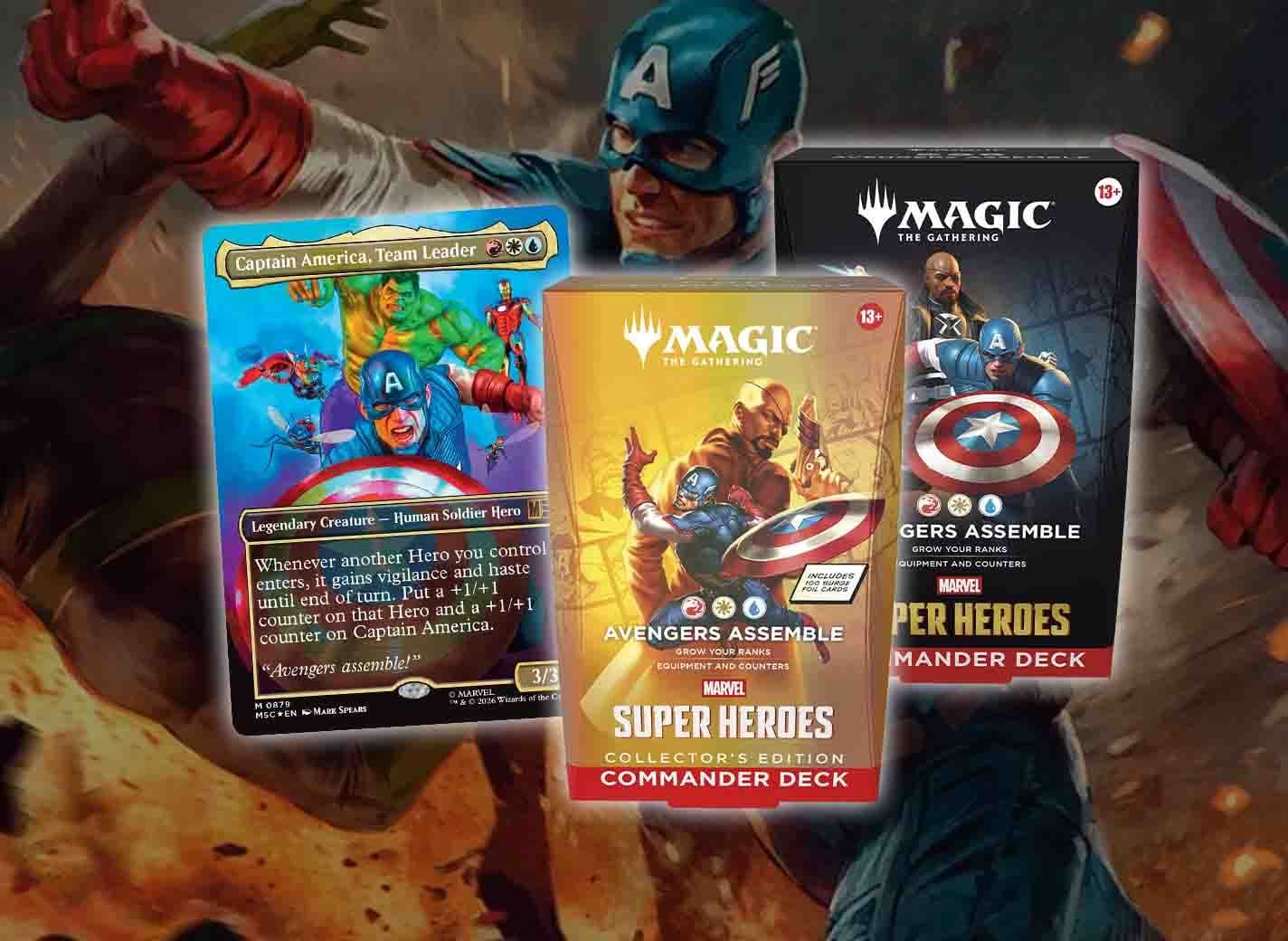
Marvel Super Heroes is being pushed as a major crossover release, and Wizards of the Coast is making Commander one of the main ways players are meant to enter the set. The product has four ready-to-play Commander decks, Avengers Assemble, Wakanda Forever, The Fantastic Four, and Doom Prevails, and Wizards says every card in those Commander decks uses artwork depicting Marvel characters and stories. That is a strong signal that this is not just a collector’s set with a few Commander extras. It is meant to land at the table.
The timing makes the Spike Feeders episode especially useful. Preview season began on June 2, 2026, the global tabletop release is set for June 26, 2026, and Star City Games had already run a June 11 article revealing the full Commander decklists. So by the time this June 16 battle appeared, the conversation had already moved past “what’s in the product?” and into the far more interesting question: “what actually plays well?”
That is where this kind of gameplay content earns its keep. The Spike Feeders publish a new gameplay episode every Thursday at 3 p.m. CST, and their Marvel test fits that rhythm perfectly, because these are the clips that turn a stack of revealed legends into a real brewing roadmap. You can see which commanders need help, which ones already have a coherent plan, and which ones are more than flavor text with fancy art.
Thanos looks like the cleanest big-mana build
The Thanos list shown in the episode leans hard into the most reliable Commander language in the book: ramp first, then slam something that ends the argument. The visible cards include Birds of Paradise, Selvala, Goldspan Dragon, The Gitrog, Ravenous Ride, Bloodthirsty Conqueror, and Twinflame Tyrant, and that package reads like a deck built to accelerate into oversized threats and then convert mana into pressure fast.
That matters because it tells you Thanos is not waiting around for perfect support. The shell already has a spine. Birds of Paradise and Selvala push the deck into the kind of mana counts that make Goldspan Dragon and Twinflame Tyrant feel like payoff cards instead of aspirational top-end, while The Gitrog, Ravenous Ride and Bloodthirsty Conqueror point toward a board that can keep generating value even after the first burst of ramp. In Commander terms, this is the kind of build that looks functional on camera before you have even finished tuning the manabase.
If you are asking which Marvel commander feels easiest to turn into a real deck on day one, Thanos makes a strong case. It has the shape of a classic haymaker list already, which means you are not trying to invent a plan from scratch. You are mostly choosing how greedily to support it and how high you want the ceiling to go once the mana starts flowing.
Moon Girl and Devil Dinosaur is the tighter synergy deck
Moon Girl and Devil Dinosaur takes a very different route, and that contrast is the real value of the episode. Instead of leaning on brute-force mana, the list skews toward artifacts, draw engines, and the kind of incremental board development that quietly turns into a problem for the table. The cards shown include Sai, Master Thopterist, Shimmer Dragon, Thought Monitor, Kappa Cannoneer, and Cyberdrive Awakener, which is a very clear signal that this deck wants to build density, draw cards, and turn expendable artifacts into a lethal swing.
That shell is much more about sequencing than raw power. Sai and Shimmer Dragon keep the engine humming, Thought Monitor helps refill the hand, Kappa Cannoneer turns artifact density into a real threat, and Cyberdrive Awakener gives the deck a clean way to close once the board is wide enough. It is the kind of list that can look harmless for a few turns and then suddenly present a board state that forces a response immediately.
Moon Girl and Devil Dinosaur also shows why this early battle is more useful than a spoiler gallery. A list like this proves that Marvel Super Heroes is not just producing splashy legends, it is producing commanders that can support a real archetype identity. You can already see the play pattern: make artifacts, draw cards, accumulate pressure, then convert the whole board into damage. That is a Commander plan, not just a theme.
What the episode tells you about Marvel Commander in general
The biggest takeaway is not that one Marvel commander is secretly broken. It is that the set already supports distinctly different decks that feel true to their cards rather than forced by the IP. Thanos looks like a big-mana haymaker deck that will be easy to pick up and hard to ignore. Moon Girl and Devil Dinosaur looks like a smoother synergy deck with enough artifact glue to snowball if left alone. Those are very different incentives, and both are already visible in live gameplay.
That is why this episode is a stronger proof of concept than a spoiler page. Full decklists are useful, especially when Star City Games has already laid them out, but seeing four brews in motion answers the Commander question that actually matters: can these legends anchor a shell right now, or do they need half a deck of cleanup work before they function? The answer here is that at least some of them are already there.
As Marvel Super Heroes moves from preview season into its June 26 release, the most valuable thing to watch is not whether the set is flashy. It is whether the commanders can do what The Spike Feeders’ table already showed: sit down, make a plan, and play like they belong in Commander from the first shuffle.
This article was produced by Prism’s automated news system from verified source data, official records, and press releases, then run through automated quality and moderation checks before publishing. The system is built and supervised by the people who set the standards it runs under. Read our full AI policy.
Did this article answer your question?