The Spike Feeders showcase Casey Jones brew in four-deck Commander game
Aaron’s Casey Jones brew gets a live test against hydras, token engines, and vehicle pressure, and Commander players can steal real sequencing lessons from the pod.
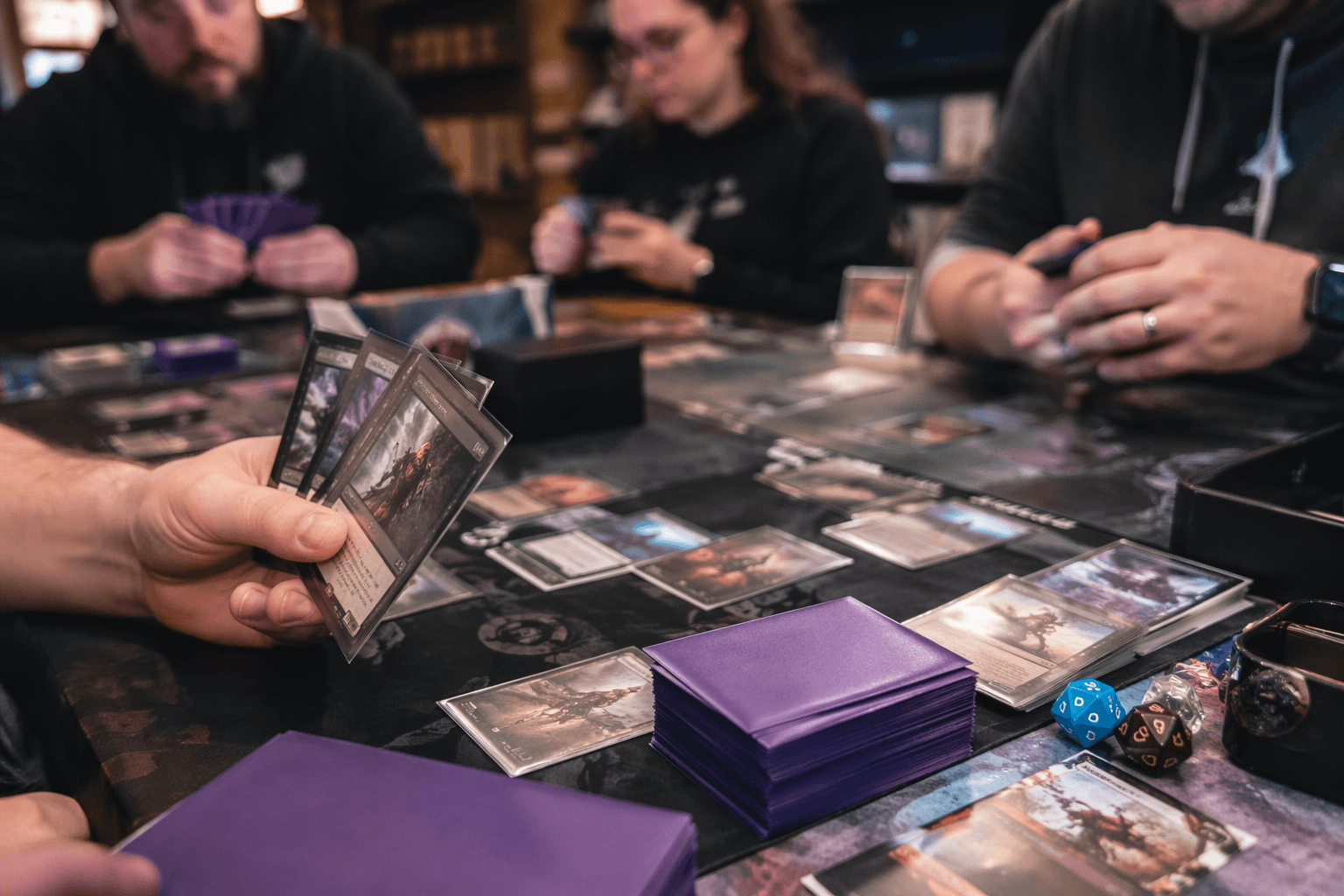
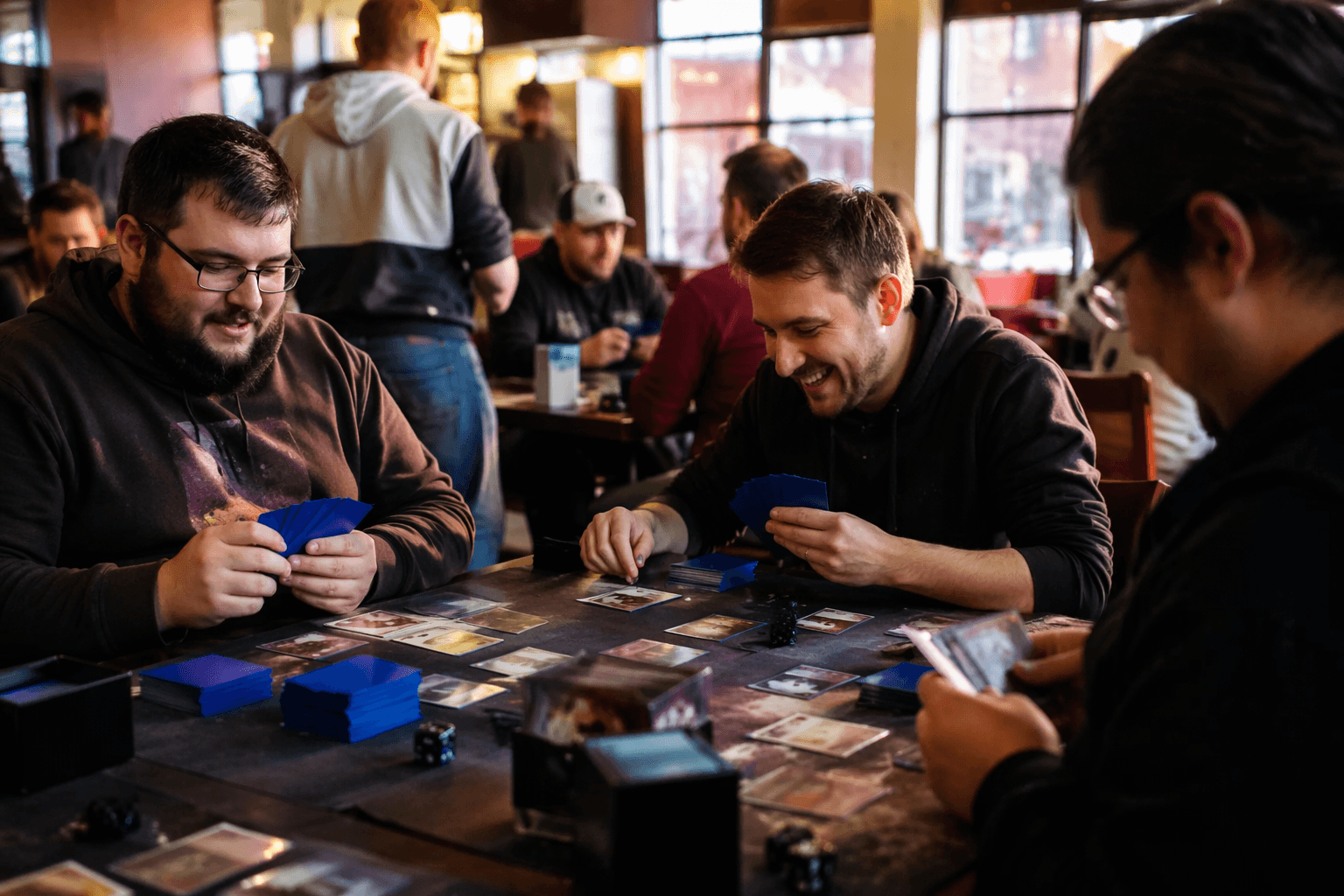
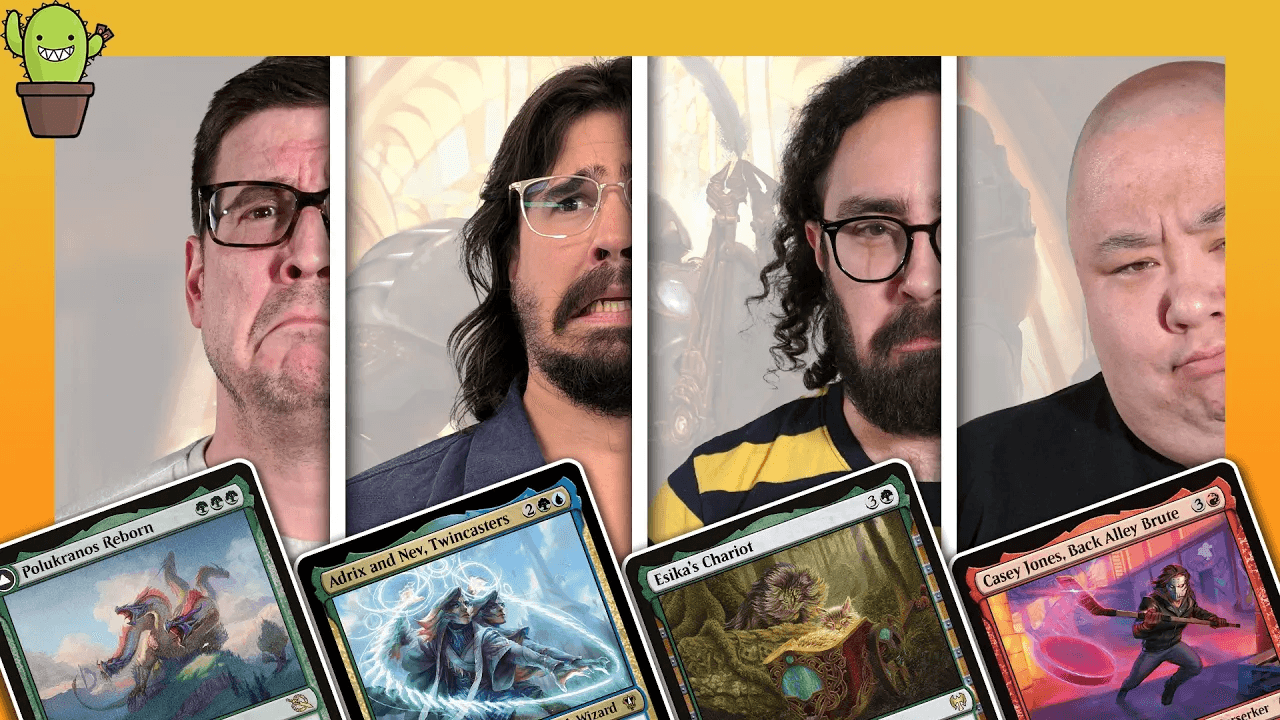
The Spike Feeders’ latest casual Commander episode is the kind of table that teaches faster than a deck tech. Aaron’s new Casey Jones brew sits across from Polukranos Reborn, Adrix and Nev, Twincasters, and Esika’s Chariot, which means every turn is pulling in a different direction: big creatures, token math, copy value, and artifact pressure all collide in one pod.
What this table is actually testing
This is not just a four-player game with splashy commanders. It is a stress test for how a brew survives when the table covers multiple axes at once. The Spike Feeders built the episode around Aaron’s Casey Jones list, and that makes the game especially useful for anyone tuning a casual red shell that wants to do more than curve out and hope.
The episode title, “Commander played FLAWLESSLY | Polukranos VS Casey Jones VS Adrix & Nev VS Esika’s Chariot,” says a lot about the experience on offer. This is a showcase game, but it is also a clean example of how Commander decks stop looking abstract the moment they are forced to share a battlefield. One player is threatening hydra scale, one is leaning into token multiplication, one is trying to turn vehicle pressure into damage, and Aaron is trying to prove that Casey Jones can keep pace.
Aaron’s Casey Jones brew is the headline for a reason
Casey Jones, Back Alley Brute is the most interesting deck in the pod because it is the newest and most obviously tuned around a specific game plan. The list is built with a red creature-heavy shell that includes Ashling the Pilgrim, Krenko, Tin Street Kingpin, and Professional Face-Breaker, which tells you this is not a passive value deck waiting for perfect draw steps. It wants bodies, mana, and momentum.
That matters for sequencing. A Casey Jones deck like this rewards the kind of play pattern where you commit early, cash in combat damage for resources, and keep forcing the table to answer threats on your terms. The hidden lesson is that red Commander decks do not need to look like pile-of-goodstuff lists to function in casual pods. They just need a clear way to turn board presence into pressure before the bigger engines get out of hand.
The hydra matchup is a reminder not to get cute
Polukranos Reborn is the table’s classic big-creature problem. The list is packed with hydra cards such as Protean Hydra, Vastwood Hydra, Genesis Hydra, Hungering Hydra, Managorger Hydra, and Apex Devastator, which means the deck is built to make every mana sink into a threat. If your deck stumbles on development, a hydra deck like this will happily outscale you and force bad blocks.
The practical takeaway is simple: do not wait too long to establish a real board into a hydra player. If you are holding interaction for the “perfect” target while they are already turning every spare mana into bigger creatures, you are probably behind. The Spike Feeders’ pod structure makes that lesson easy to see, because hydra decks turn slow, greedy sequencing into immediate punishment.
Adrix and Nev shows how token decks convert small edges into inevitability
Adrix and Nev, Twincasters brings a very different kind of danger. The list includes Academy Manufactor, Tireless Provisioner, Lonis, Genetics Expert, Forensic Gadgeteer, and Junk Winder, which points to a token and artifact engine that can snowball from tiny advantages into a locked-up board. This is the kind of deck that looks fair for the first few turns and then suddenly starts multiplying every resource it touches.
That is the real reason token decks are such a pain in casual Commander: they do not need one giant turn to take over. They need enough untapped permanents, enough triggers, and enough time to make the table feel crowded. Against a Casey Jones brew, this matchup is a lesson in tempo. If you let the Adrix and Nev player keep converting clue, food, treasure, or incidental artifacts into board advantage, you are giving away the exact kind of grindy game that token decks love.
Esika’s Chariot fills in the pressure gap
The fourth seat, Esika’s Chariot, rounds the table out with the kind of pressure that punishes defensive stumbles. Even without the full list, the name alone points toward a deck that can create persistent board presence, especially in a pod already full of creatures and tokens. That makes it the perfect glue piece for this episode, because it adds another layer of combat decisions without relying on the same plan as the hydra or token decks.
For Commander players, the lesson is not just that vehicle decks can hit hard. It is that resilient pressure changes how the whole table sequences. If a deck keeps threatening value through combat steps, your removal and blockers have to work harder, and that opens windows for the other players to develop unchecked.
Why The Spike Feeders are still such a useful watch
The Spike Feeders describe themselves as eight friends from Winnipeg, Manitoba, Canada who make EDH and cEDH content, and that mix matters. Their games tend to feel like actual pods, not staged showcases, which is why a regular episode like this one is useful to anyone trying to tune a casual list. The channel’s cadence also helps: Star City Games says they post a new gameplay episode every Thursday at 3 pm CST, so this is part of a steady stream of tables you can learn from, not a one-off novelty.
That consistency is part of the appeal. A Spike Feeders episode gives you a chance to watch homebrew ideas, synergy packages, and unusual commander choices in motion instead of in theory. In this case, Aaron’s Casey Jones brew is the clearest example of that value, because it has to stand up next to hydras, token engines, and vehicle pressure without hiding behind a goldfish.
Why this episode lands so well right now
The timing helps too. The Commander feature appeared on the same day Star City Games was running multiple Marvel Super Heroes preview stories and other product-delay coverage, so this gameplay post stood out as a pure table piece in the middle of a preview-heavy news cycle. That contrast makes the episode more than entertainment. It is a reminder that the best Commander content still comes down to board states, sequencing, and whether a brew can actually survive when three other decks are trying to do their own thing.
That is the value of this table: it turns Aaron’s Casey Jones build from a cool idea into a real test case. If you want something to steal for your own pod tonight, it is not just the commanders. It is the lesson that a good casual deck earns its keep by making clean, proactive decisions before the table’s bigger engines get to dictate the game.
This article was produced by Prism’s automated news system from verified source data, official records, and press releases, then run through automated quality and moderation checks before publishing. The system is built and supervised by the people who set the standards it runs under. Read our full AI policy.
Did this article answer your question?