Ultron shows Magic: Commander power creep in artifact decks
Ultron is basically Mirrorworks with a commander slot and a lower setup cost, and that is enough to warp artifact decks. If you play mana rocks and ETB artifacts, this is the upgrade to watch.

Ultron is the kind of commander that makes an old staple look expensive
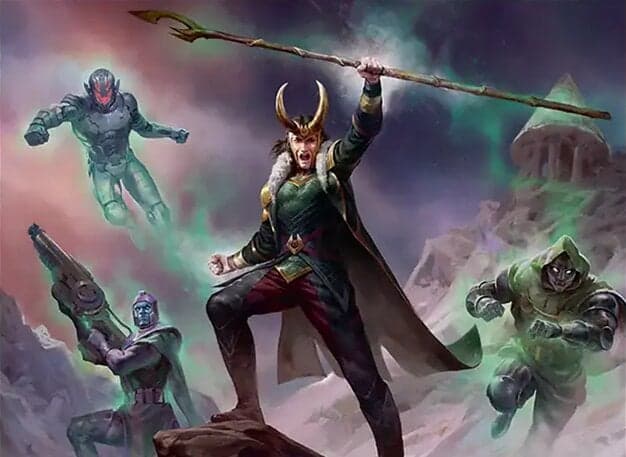
Ultron, Artificial Malevolence is not just another flashy crossover legend. In Commander terms, he reads like a direct upgrade to Mirrorworks: the same artifact-copying job, but two mana cheaper and attached to a body in the command zone. That is the kind of swap that forces a real upgrade question, because Mirrorworks has been one of the defining cards for artifact-heavy decks for years, and Ultron does the same thing with less friction.
That matters in a format that runs on setup speed. Commander uses 100-card decks, starts at 40 life, and gives you a command zone you can keep recasting from, which means your commander is not just a payoff but part of your engine. Wizards also describes Commander as Magic’s largest format now, so when a new legend threatens to replace a long-time staple, people notice fast.
What Ultron actually changes
Ultron’s rules text is simple, but the practical impact is nasty. Whenever another nontoken artifact you control enters, you may pay 2. If you do, you create a token copy of that artifact, and if the token is not a creature, it becomes a 2/2 Robot Villain creature in addition to its other types.
That extra body is not flavor text. It means Ultron turns value artifacts into board presence, and it means every copied mana rock or utility piece can start doubling as a threat. Compare that to Mirrorworks, which has always been powerful but lives a full card away from the command zone. Ultron asks less of your deck, comes down through your normal commander game plan, and starts snowballing as soon as you begin deploying artifacts.
For deckbuilding, the real question is not whether Ultron is powerful. It is where he is better than the old option and where he is just redundant. If your deck already wants a commander that eats removal, rebuilds, and keeps the artifact engine online, Ultron is the cleaner engine piece. If your list wants the effect but cannot afford to lean on its commander, Mirrorworks still has a place as non-commander redundancy.
The cards that make him look broken
The cleanest example is Sol Ring. With Ultron on the battlefield, a single Sol Ring becomes much more than a two-mana ramp rock. You can tap the original to help pay for the copy trigger, then turn the copied rock into even more mana. That is how Ultron starts generating the kind of turn-by-turn snowball that pushes artifact decks from “value” into “I am way ahead and you know it.”
He gets even uglier with enters-the-battlefield artifacts. Ichor Wellspring turns one cast into extra cards and another copy. Portal to Phyrexia turns into a game-warping pile of artifacts and removal pressure. Any deck already built around ETB artifacts, mana rocks, or value engines suddenly has a commander that doubles its best draws instead of merely supporting them.
The important part is that this is not a narrow combo only deck. Ultron is good when you are just playing Magic, which is often how the most dangerous commanders start. The more your list is full of artifacts you were already happy to cast, the more every turn starts to look like a copy trigger waiting to happen.
Why the 2/2 Robot Villain clause matters
Ultron’s token copies being creatures changes the texture of the deck. A copied artifact rock or utility piece becoming a 2/2 means the commander can pivot into combat without asking you to rebuild around a separate finisher. That opens the door to attack-based builds, Myriad synergies, and cards like Blade of Selves or Cyberman Squadron, all of which reward you for turning a pile of copied permanents sideways.

Roaming Throne is another brutal fit. If you name the right type, it can copy Ultron’s triggered ability itself, which means every artifact entering can turn into even more artifact tokens. That kind of multiplier is exactly why this card feels more like power creep than a cute build-around. It does not just do the old thing. It does the old thing and gives you a second angle to win with the same cardboard.
That flexibility is what puts Ultron ahead of a lot of one-note artifact commanders. He is a combo engine, a token producer, and a combat commander at once. Most legends only hit one or two of those lanes.
The infinite line that pushes him over the edge
If you want the truly unpleasant version, Ultron already has a clean infinite line with Myr Retriever and Krark-Clan Ironworks. That loop can generate endless death triggers, which then converts into Altar of the Brood kills. Once that shell is online, the deck stops being about incremental value and starts being about ending the table with a sequence that barely needs extra help.
This is where the “upgraded Mirrorworks” comparison becomes more than a headline. Mirrorworks has always rewarded good sequencing, but Ultron can build toward deterministic nonsense much faster because he is the engine, the payoff, and the threat in one card. In artifact decks that already lean on death triggers and sacrifice outlets, he does not just improve the plan. He compresses it.
Who should actually swap him in
Ultron is best in decks that already plan to flood the board with artifacts: mana rock shells, ETB artifact value piles, token-heavy artifact lists, and sacrifice engines that care about permanents entering and dying. He is also strong enough that he may play better as a role-player in the 99 than as the dedicated face commander, especially if your main commander already points the deck in a different direction and Ultron just adds a busted subengine.
That is the real power-creep test. Does he obsolete Mirrorworks everywhere? No. But in the exact decks that want repeated artifact copying, a commander-slot version of the effect with a body and a lower setup cost is simply better. That is true power creep in the narrow shell that cares most, and it is why Ultron is one of the most immediately threatening artifact commanders in the Marvel Super Heroes preview.
Why the timing matters
Magic: The Gathering | Marvel Super Heroes is part of Wizards’ multi-year team-up with Marvel, and Wizards is calling it the biggest Magic collaboration ever. The set debuts on June 2, 2026, the main set cards are scheduled to be revealed by June 8, Commander cards run from June 8 to June 11, and the tabletop release lands on June 26, 2026.
The market is already reacting. EDHREC lists Ultron with recommendations from 329 Commander decks and tags him for Artifacts, Tokens, and Clones, which tells you exactly where players are pointing him first. The preview window is still open, but the shape of the card is already clear: if your deck lives on artifact copying, Ultron is not a fun option. He is the upgrade that makes an old staple look like the slower line.
This article was produced by Prism’s automated news system from verified source data, official records, and press releases, then run through automated quality and moderation checks before publishing. The system is built and supervised by the people who set the standards it runs under. Read our full AI policy.
Did this article answer your question?