Zhulodok Commander decks lean harder into artifacts and giant spells
Zhulodok still wants giant colorless haymakers, but the best lists are quietly making room for more artifacts and cleaner payoff turns.
What Zhulodok was built to do
Zhulodok, Void Gorger has always promised one very specific kind of Magic turn: cast a colorless spell with mana value 7 or greater and get cascade, cascade. That text pushes the deck toward the same core idea it had at launch in Eldrazi Unbound, the Commander Masters precon that introduced the commander, but real games have shown that the cleanest version of the plan is not just “play bigger Eldrazi.” It is “play the right mix of giant spells, mana engines, and artifacts that keep those spells flowing.”
Commander Masters arrived as Wizards of the Coast’s first Masters set explicitly tied to Commander, with four preconstructed decks and ten new Magic cards in each one. Zhulodok was the face of Eldrazi Unbound, and that matters because the stock build was never just a pile of bombs. From the start, the deck asked pilots to balance the raw appeal of colorless monsters with enough support pieces to make a cascade chain actually matter.
What stuck from the launch list
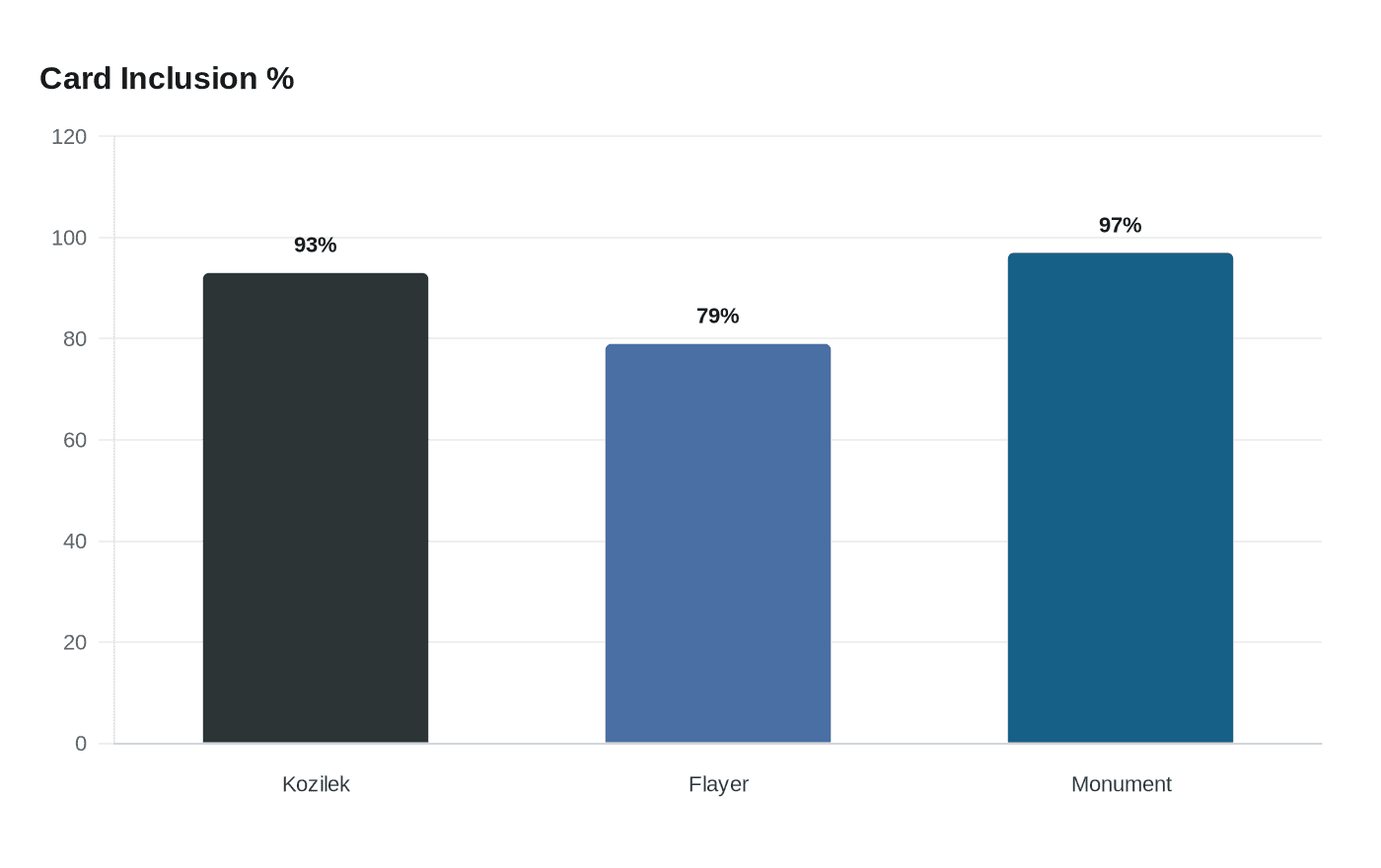
The cards that have held their ground are the ones that do the most obvious work in a Zhulodok shell. EDHREC’s data still shows the old giants in familiar positions, with Kozilek, the Great Distortion at a 93% inclusion rate, Flayer of Loyalties at 79%, and Forsaken Monument at 97%. That is exactly the shape you would expect from a commander that rewards seven-mana-plus plays and loves any permanent that turns colorless mana into more mana.
Forsaken Monument is the clearest example of the deck’s launch identity still surviving in the wild. It does not need clever framing to earn its slot: it makes the deck’s big turns bigger, helps colorless production scale, and gives every expensive spell a little more room to breathe. Kozilek, the Great Distortion plays a similar role at the top end, where Zhulodok players want a threat that is also a table-scrambling payoff.
Flayer of Loyalties fits that same launch-era instinct, too. It is the kind of card that reminds you Zhulodok is not merely trying to cast one huge threat and pass. It is trying to convert a cascade trigger into a board state that suddenly belongs to the Zhulodok player.
How real games have changed the stock build
The interesting part of Julia Maddalena’s May 29 Fire and Ice piece is not the well-known staples. It is the drift around them. EDHREC’s Zhulodok page now tracks the commander across 20,848 decks, and the archetype tags are telling: Eldrazi, Big Mana, Cascade, and Artifacts. That last tag is the change signal. It suggests that actual deckbuilding is no longer treating artifacts as incidental support, but as a meaningful part of the engine.
That shift makes sense once Zhulodok has had time to breathe in real play. The commander already wants colorless mana and expensive permanents, so artifacts naturally slide into the deck as ramp, setup, and payoff all at once. In practice, that means the stock build has started to look a little less like a pure Eldrazi pile and a little more like a tuned artifact-mana shell that still happens to win by dropping monsters the table cannot reasonably answer.
Maddalena’s article frames that change as a heat map, not a static decklist. The point is not that the entire archetype has changed identity. The point is that the average 99 is making room for cards that smooth the deck’s explosive turns and make cascade less dependent on drawing only the biggest names.
The newer tech that has earned a look
Bygone Colossus is the clearest sign that Zhulodok pilots are looking for more than just raw size. Maddalena highlights it as a Fire pick because it can help trigger Zhulodok on each turn, which is exactly the kind of repeatable value this commander wants. A deck built around one spectacular trigger is fun; a deck that can keep finding those trigger windows is much harder to contain.
Krang, Utrom Warlord is the other useful signal. Maddalena singles it out as an artifact that fits the deck’s growing artifact presence, and that matters because it points to where the archetype is heading. If a card is good here, it is usually because it does two jobs at once: it helps the artifact count matter, and it still contributes to the giant-spell game plan that Zhulodok demands.
That is the real upgrade lesson for current pilots. The deck still wants its Eldrazi and its over-the-top colorless finishers, but newer artifact-based pieces are earning permanent slots because they make the deck more consistent. They help bridge the awkward middle turns that used to leave Zhulodok decks either flooding out or waiting too long to do the thing everyone came to watch.
How to read the deck now
If you sleeved up Zhulodok when Commander Masters hit on August 4, 2023, the core plan probably looked straightforward: ramp hard, cast giant colorless threats, and let cascade chain into something absurd. That plan still works, and the numbers on Kozilek, Flayer of Loyalties, and Forsaken Monument show that the classic shell has not gone anywhere. The difference now is that the better lists are not stopping at the obvious Eldrazi headline cards.
Instead, the deck is leaning into a more refined identity. Artifacts are no longer just background noise. They are part of the reason Zhulodok can keep its engine running, and that is why the commander’s live data now reads as Eldrazi plus Big Mana plus Cascade plus Artifacts rather than simply “play the biggest thing in the box.”
That is the practical takeaway for anyone updating the stock build. Keep the giant spells that still anchor the strategy, respect the mana engines that let those spells happen, and make room for the artifacts that have proven they can carry their weight. Zhulodok has not wandered away from its original promise. It has simply become better at cashing that promise in every turn.
This article was produced by Prism’s automated news system from verified source data, official records, and press releases, then run through automated quality and moderation checks before publishing. The system is built and supervised by the people who set the standards it runs under. Read our full AI policy.
Know something we missed? Have a correction or additional information?
Submit a Tip