Baltimore magnet fishers recover history while cleaning the harbor
Baltimore’s magnet fishers are pulling out more than scrap: they’re recovering relics, cleaning the Patapsco, and giving local history a second look.
A hobby built for the harbor
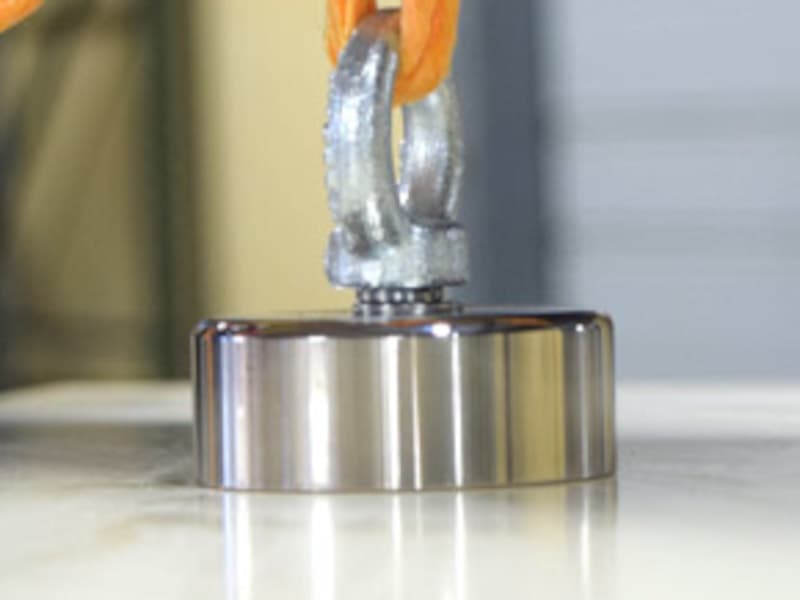
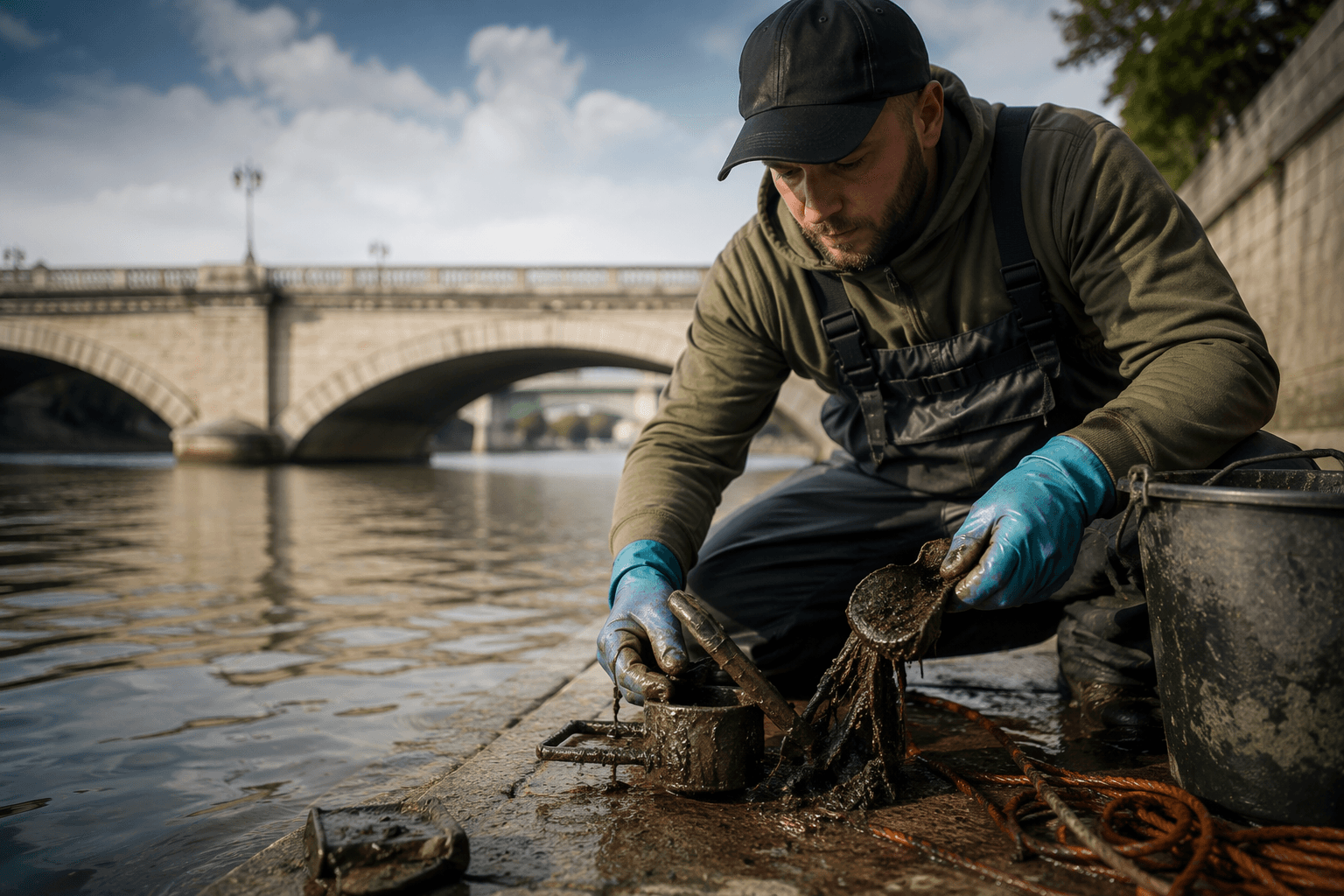
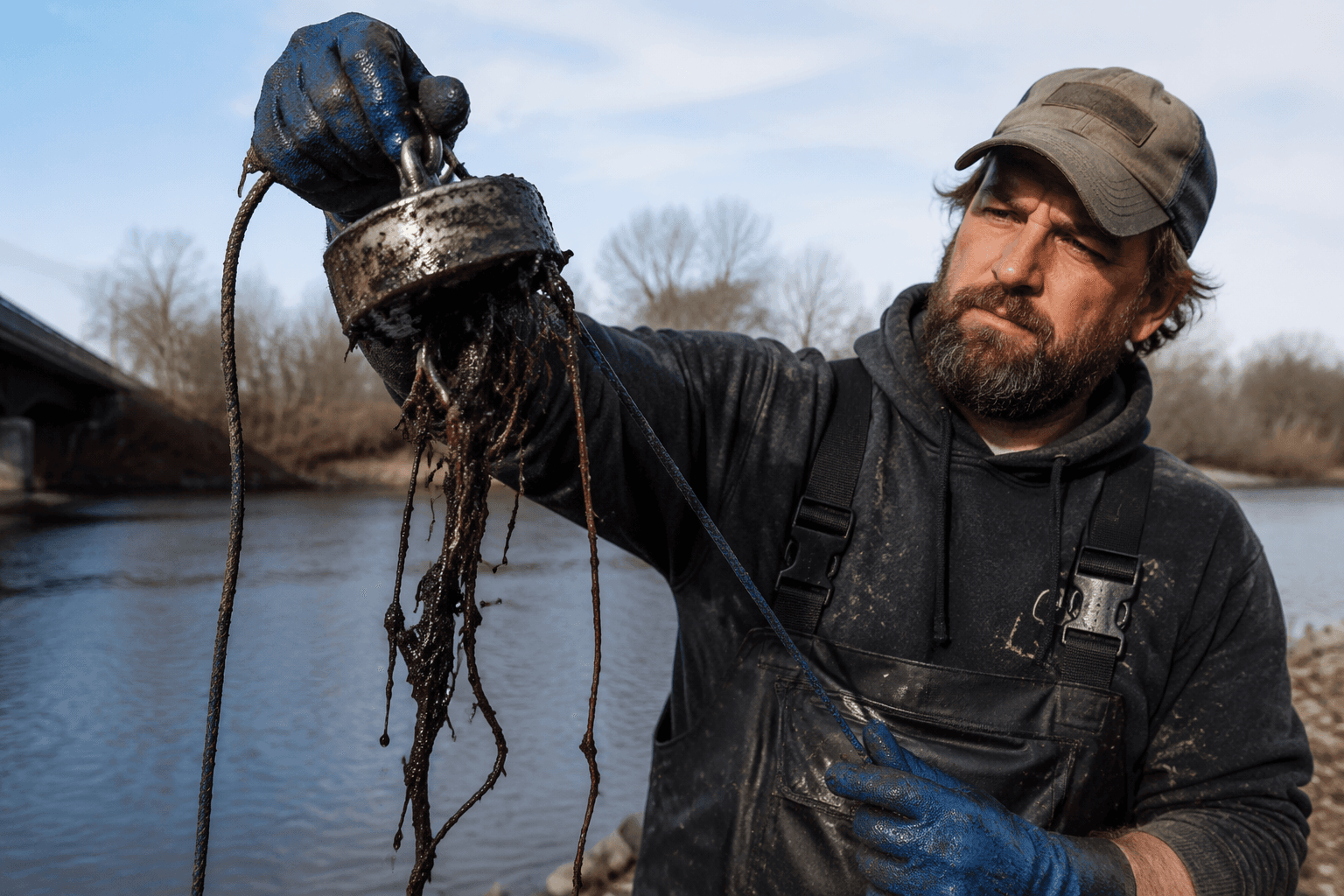
Drop a neodymium magnet into the Patapsco River and you might haul up a bent hook, a Victorian bench, or just a tangle of rust. In Baltimore, Evan Woodward has turned that gamble into a cleanup crew with a memory, and the city’s magnet-fishing scene now treats each pull as a chance to read the harbor’s history as well as clear its bottom.
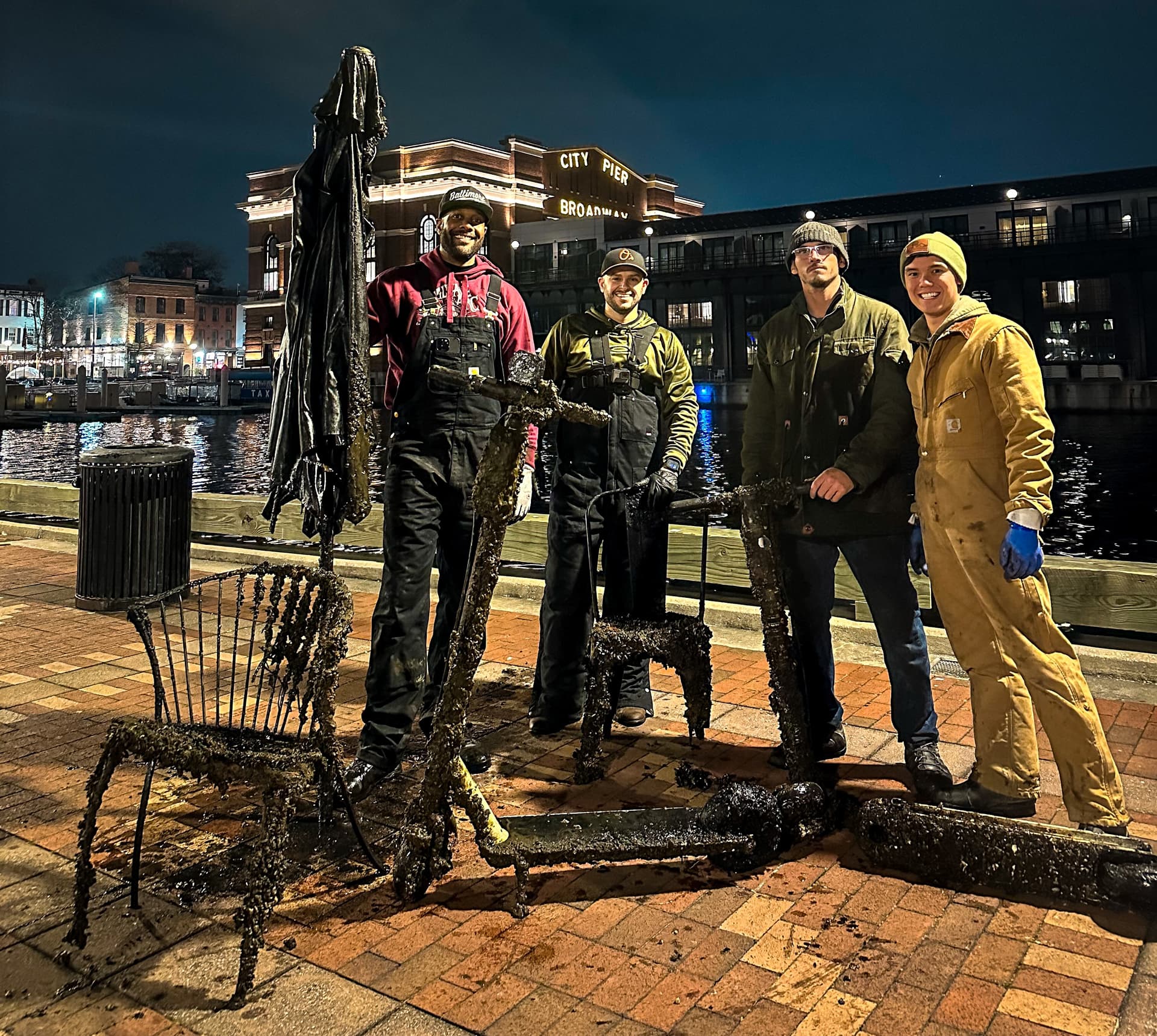
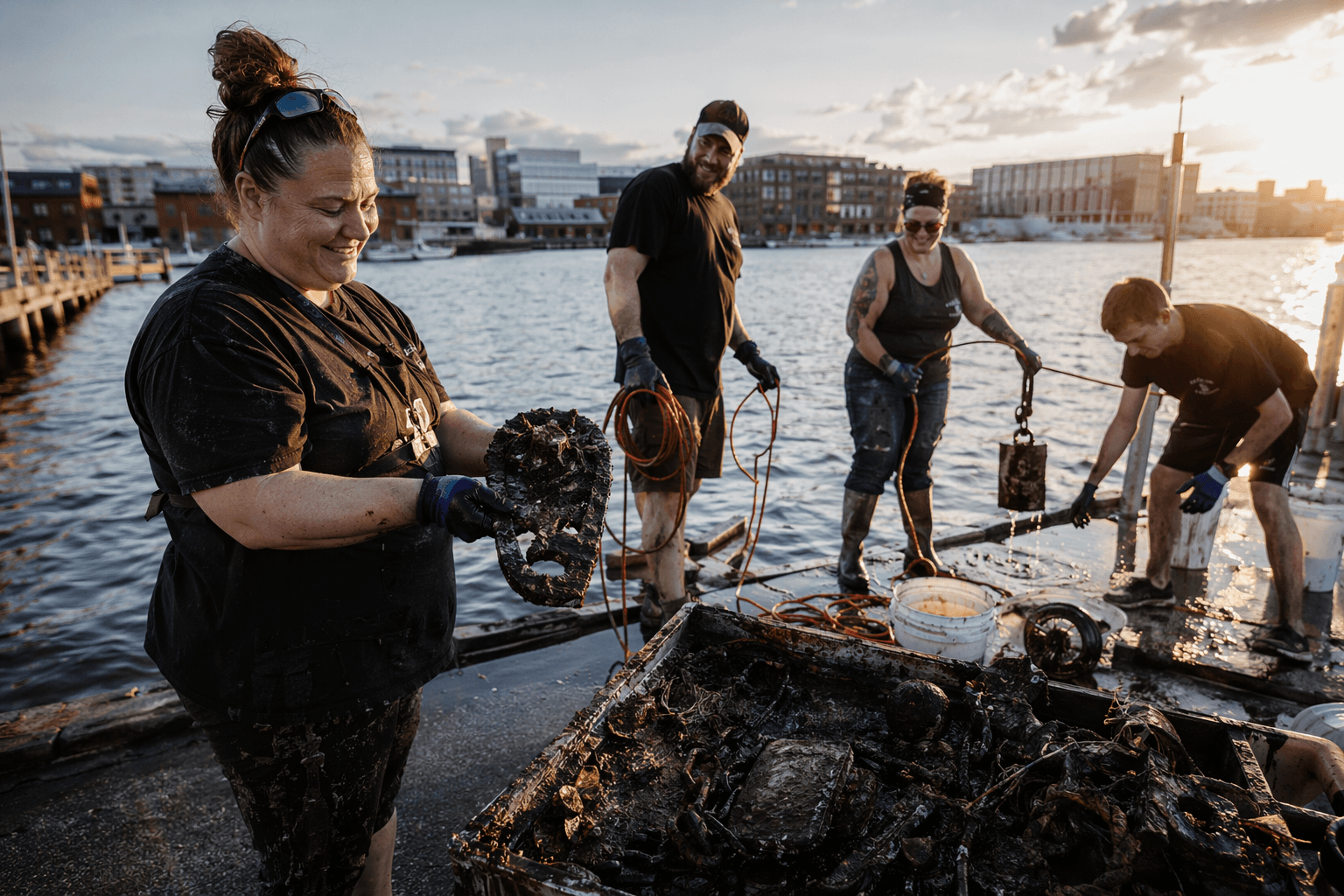
Woodward founded the Maryland/Baltimore Magnet Fishing club in January 2023, and the first nights set the tone for what the group would become. One cold January gathering drew about a dozen people to the pier with ropes and magnets in hand, and the idea caught on fast. What started as a local cleanup-and-treasure hunt project has grown into hundreds of active members, with weekly outings that now draw dozens of participants.
The club meets at Bond Street Pier in Fells Point on Thursday nights from 6 to 8 p.m., which gives the hobby a clear rhythm and a place in neighborhood life. That consistency matters, because magnet fishing works best when it is regular, social, and methodical rather than random. The harbor gives up more when people return to the same stretch, compare notes, and keep a steady eye on what comes up from the mud.
Why Baltimore fits magnet fishing so well
Baltimore’s water has a long memory. The Inner Harbor and Patapsco River have carried shipping and industry for generations, and that history is still visible in what settles below the surface. That is why a hobby built around powerful magnets finds so much room to matter here: the same waterway that once moved goods now holds the leftovers of city life, old work, and everyday traffic.
The larger cleanup picture is just as important. The Baltimore Harbor and Patapsco watershed remain active water-quality concerns, and the Baltimore Harbor Waterkeeper team monitors those waterways. That broader civic context gives magnet fishing a practical edge. Every trash bag full of scrap pulls the hobby closer to river restoration, and every unusual find adds a layer to the story of how Baltimore has used, changed, and tried to repair its waterfront.
Baltimore’s cleanup conversation also sits alongside the work of groups such as Blue Water Baltimore, Waterfront Partnership of Baltimore, and the Maryland Department of the Environment. Magnet fishing does not replace those efforts, but it fits neatly beside them as hands-on public service that also brings people to the water.
From scrap recovery to local history work
The difference between random scrap recovery and disciplined magnet fishing is intent. Anyone can yank up metal, but the Baltimore club treats the haul as something that might deserve a second look. That means watching for marks, shapes, and materials that suggest more than junk, then thinking about what the object says about the harbor before tossing it into the pile.
Woodward’s finds show why that mindset matters. Reports on his work have included a shipping hook from the 1800s or 1900s, a late Victorian bench, and even a barnacle-covered handgun. Those pieces are not just oddities for a social feed. They are clues about the port, the people who used it, and the way objects can disappear into the water and come back carrying a story.
That is where the hobby starts to resemble urban archaeology. The goal is not to pretend every rusty object is museum-grade, but to recognize that some pieces deserve context, care, and collaboration. When magnet fishing is done that way, the waterline becomes a kind of archive, and the work shifts from pure retrieval to local history in motion.
Salvage Arc pushes the story beyond the pier
Woodward’s related project, Salvage Arc, takes that idea even further. He launched the Salvage Arc Foundation in 2024 as a 501(c)(3) nonprofit, with a stated goal of building a museum and community center in Fells Point. That gives the hobby a home beyond the pier and a stronger bridge between street-level discovery and public storytelling.
The foundation framework matters because it points toward preservation, not just display. A magnet-fishing find becomes more meaningful when it is documented, discussed, and placed in a setting where neighbors can understand what it means to Baltimore. A museum and community center in Fells Point would give those objects a place to live after they come out of the water, and it would anchor the hobby in the neighborhood where so much of the club’s activity already happens.
Woodward has framed that balance plainly, saying the work is a “win for everyone all around.” That is the clearest description of why the club resonates. You get trash out of the harbor, you get a social scene on the pier, and sometimes you get a relic that turns a routine outing into a local-history lesson.
How the Baltimore model works
Baltimore’s magnet-fishing scene shows how to make the hobby matter beyond the haul. The tools are simple, but the discipline is what separates meaningful work from random pulls: ropes, special neodymium magnets, steady outings, and enough patience to keep returning to the same water.
- Use strong neodymium magnets and secure ropes, since the club’s own outings are built around that setup.
- Treat each find as two things at once, first as metal to remove, then as a possible historical clue.
- Work in a group when you can, because the Baltimore club’s growth shows how much better the hobby gets when it becomes communal.
- Pay attention to the waterfront around you, since the Patapsco and Inner Harbor have been shaped by shipping, industry, and cleanup for generations.
Magnet fishing took off in Europe in the late 1970s, then resurged in the United States during the pandemic and spread as a social-media phenomenon. Baltimore has taken that global hobby and given it a local purpose. On Bond Street Pier, the best catches are not just the ones that sparkle on camera. They are the ones that help clean the harbor, sharpen the city’s memory, and leave the water a little easier to read the next time a magnet goes over the side.
This article was produced by Prism’s automated news system from verified source data, official records, and press releases, then run through automated quality and moderation checks before publishing. The system is built and supervised by the people who set the standards it runs under. Read our full AI policy.
Did this article answer your question?