Cape Cod magnet crew hauls car parts and bridge hardware from water
Old car parts and bridge hardware turned a Cape Cod bridge drop into a cleanup haul, showing how magnets keep repeat dumping hotspots from piling up.
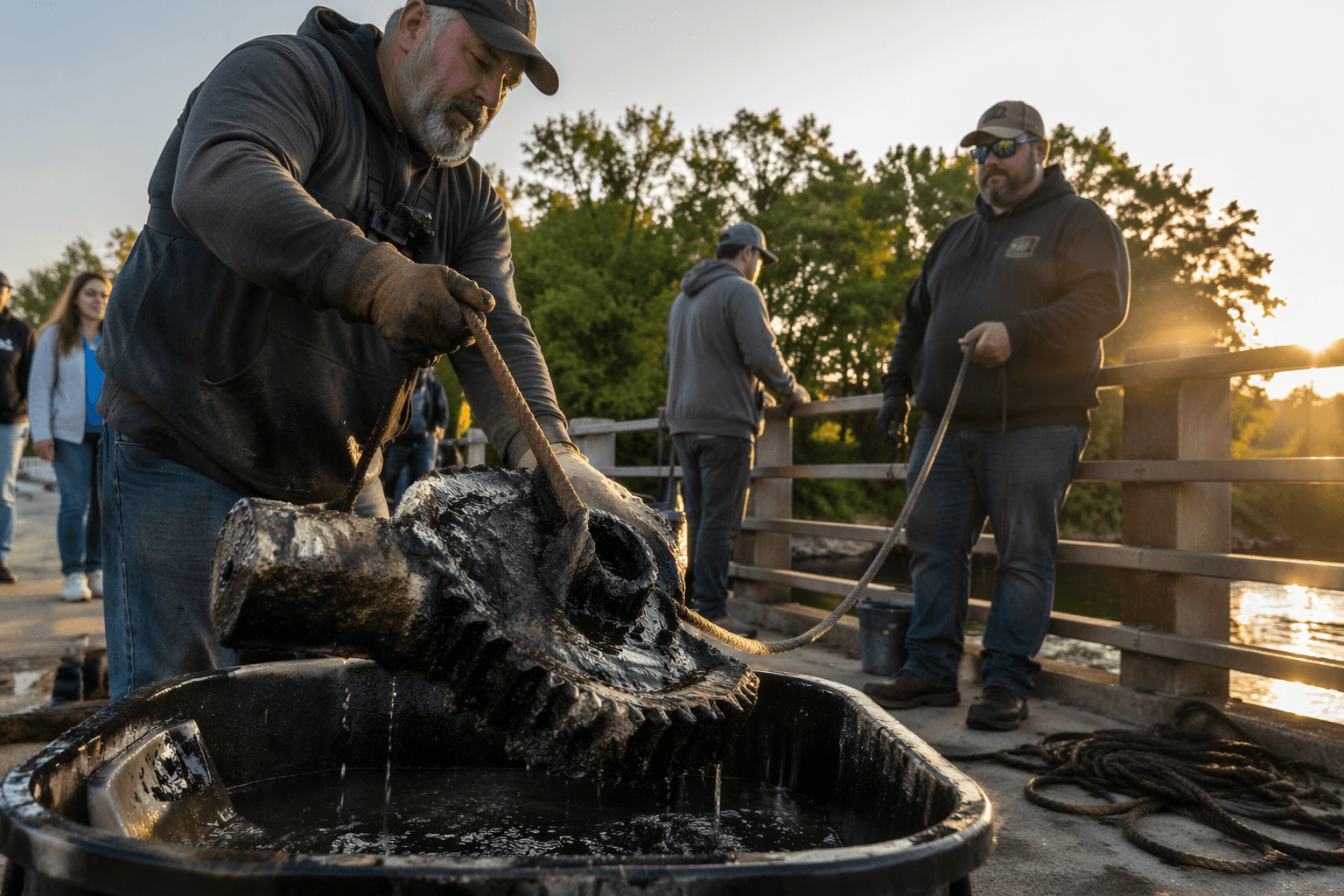
Old car parts and heavy bridge hardware gave the Cape Cod Magnet Crew a familiar kind of win: not a trophy find, but a cleanup haul from a spot that keeps collecting metal. The recovery showed how bridge zones act as repeat dumping hotspots, where rusted bits, loose nuts and worn hardware settle in the water year after year.
The short clip, posted June 11, showed the crew pulling up old car pieces that clearly did not belong underwater, along with a handful of large nuts and other heavy hardware that had shaken loose over time. The Cape Cod Magnet Crew, a family run channel based on Cape Cod in Massachusetts, framed the work in simple terms: “We’re on a mission to haul out the rust, recycle the metal, and give our waterways a little TLC.”
That framing matters because the best magnet fishing days are not always the dramatic ones. Around bridges, vibration, weather, rust and plain old wear can drop small but heavy pieces into the water below, and those scraps add up fast. By showing car parts and bridge hardware instead of a weapon or safe, the crew leaned into what the hobby can do at its most practical: clear out junk that clutters the bottom, make the spot look cleaner, and keep metal out of the water for one more season.
The cleanup angle also lines up with the wider environmental case for the hobby. The NOAA Marine Debris Program describes itself as the U.S. government’s lead for addressing the impacts of marine debris on oceans, waterways and the Great Lakes, and says debris-removal projects can improve navigation and support fishing and tourism economies. The U.S. Geological Survey makes a similar point for streams, noting that trash and other pollution hurt the water and the animals that depend on it, and specifically listing old cars and appliances among the kinds of debris people can remove.
The Cape Cod setting adds another layer. MassDOT says the Sagamore and Bourne bridges are nearly 90 years old, functionally obsolete and in need of frequent maintenance, while the U.S. Army Corps of Engineers has carried out a multiyear rehabilitation evaluation for the Bourne and Sagamore Highway Bridges. In July 2024, Elizabeth Warren, Edward J. Markey and Massachusetts officials announced about $1.7 billion in federal funding for Cape Cod bridge replacement. Against that backdrop, a magnet haul of car pieces and loose iron feels less like a novelty and more like a reminder that bridges shed metal in small, steady ways.
Massachusetts does not have a single law that bans magnet fishing outright, but exact location still matters. Around bridges, shorelines and public waters, access, trespass and site-specific rules can apply, so the smartest cleanup runs stay legal, documented and focused on getting the scrap out the right way.
This article was produced by Prism’s automated news system from verified source data, official records, and press releases, then run through automated quality and moderation checks before publishing. The system is built and supervised by the people who set the standards it runs under. Read our full AI policy.
Did this article answer your question?


