FAA magnet guidance offers a packing lesson for magnet fishers
The magnet, not the rope, is the travel problem. FAA guidance says powerful neodymium magnets can trigger baggage delays, so pack like it matters.
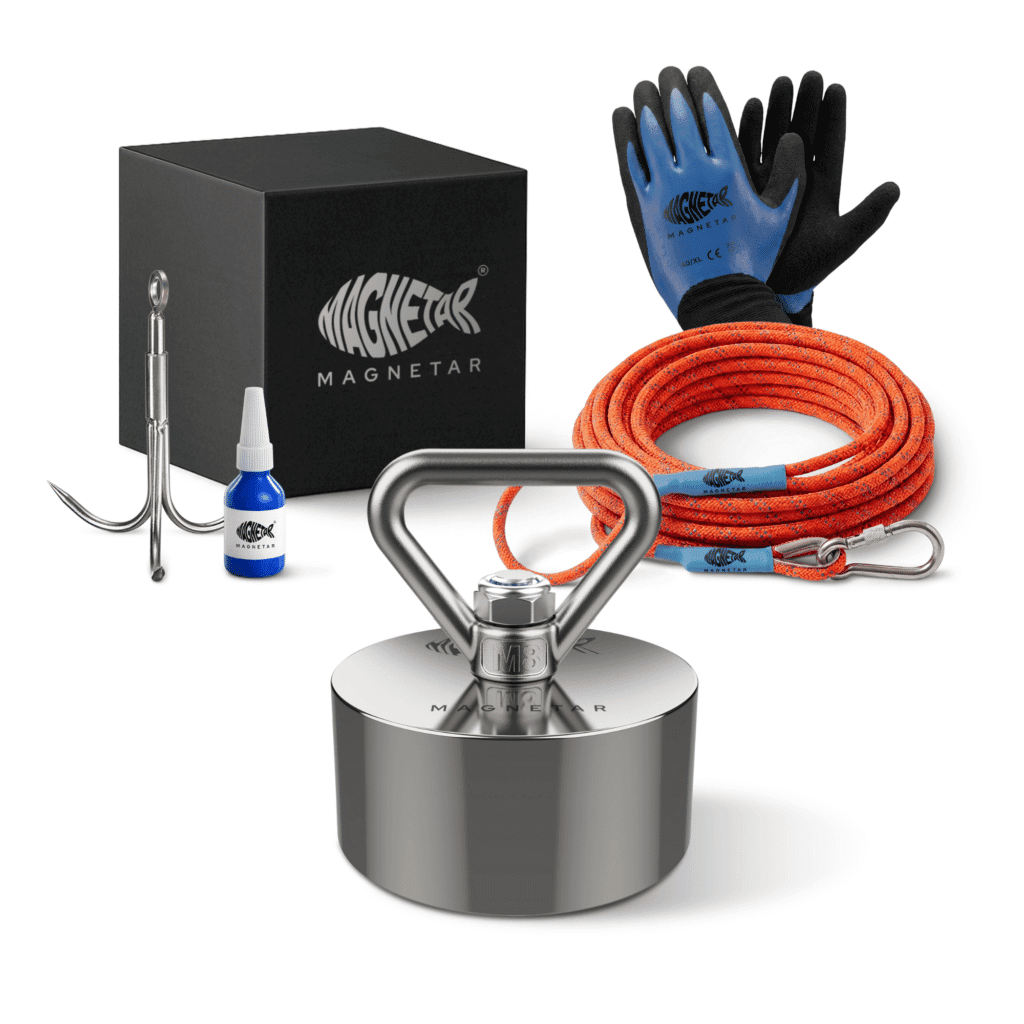
At airport security, the item that draws attention in a magnet-fishing kit is usually the strong permanent magnet itself, often a neodymium magnet with enough field strength to create transport concerns and baggage headaches. The rope, bucket, and gloves are usually not the problem. Pack it carelessly and you can turn a planned weekend meetup into a delay at security, a confiscated piece of gear, or a trip that starts without the one tool you came to use.
Why the magnet is the item that gets attention
The FAA has a dedicated PackSafe page for magnets because strong magnets are not just another hobby accessory. They can interfere with aircraft instrumentation and navigation equipment, which is why the agency treats magnetized material as a transport issue rather than a simple packing preference. For magnet fishers, that means the magnet deserves the same attention you would give to anything that can affect flight safety, especially when it rides near other metal gear in a bag.
A magnet-fishing kit is not a bucket of harmless odds and ends. Once a high-powered magnet is mixed with carabiners, grappling hooks, steel shackles, wrenches, or spare bolts, the bag stops being a tidy hobby kit and starts becoming a moving tangle of magnetic material and metal hardware. Even when nothing looks dangerous on its own, the combination can shift in transit, pull against other items, and create a screening problem before you ever reach your destination.
What the federal guidance actually says
The FAA’s PackSafe for Passengers PDF makes the baseline rule plain: when traveling by commercial aircraft, U.S. federal regulations in 49 CFR parts 171-180 forbid most hazardous materials in checked baggage, carry-on baggage, or on your person. The same guidance uses the blunt reminder, “When in doubt... Leave it out!”
This is not just a baggage-screening issue. FAA Advisory Circular AC 121-28, dated March 19, 1987, says improperly located or improperly shielded magnetic materials present hazards in aircraft, especially where compass master units are located within the fuselage. That older circular helps explain why the magnet question never really goes away, even as hobby gear changes shape and strength.
There is also a concrete regulatory benchmark that matters. PHMSA interpretation 090084 says packages with a magnetic field of 0.00525 gauss or less at a distance of 4.5 meters are considered non-magnetic and are not subject to regulation. For magnet fishers, that makes the issue less about whether a magnet feels strong in your hand and more about whether its field strength crosses a transportation threshold. TSA keeps its own public-facing magnets guidance in the What Can I Bring? system, so passengers end up facing both screening and hazmat frameworks at the same time.
A pre-trip packing checklist for magnet fishers
1. Separate the magnet from everything metal.
Do not let the magnet ride loose with hooks, shackles, bolts, tools, or spare hardware. Keep the magnet isolated so it does not attract other items in transit or create a bag full of clinging metal that slows screening.
2. Treat the magnet as the main travel decision, not an afterthought.
Rope, bucket, and gloves are ordinary gear. The magnet is the part that can trigger concern, especially if it is a large permanent neodymium magnet used for actual fishing work.
3. Think about shielding and storage before you zip the bag.
If the magnet needs a protective case or some other separation to keep it from interacting with nearby items, build that into your kit before you head to the airport.
4. Check whether shipping or destination purchases make more sense.
If you are flying to a canal, harbor, foreshore site, or meetup spot, it may be easier to buy supplies at the destination than to drag a heavy magnet through airline baggage systems. The same logic applies if you plan to mail gear home after a trip and need to think through the magnet’s transport path in advance.
5. Verify the current FAA and TSA guidance before travel.
The FAA updated PackSafe’s printable chart on 11/14/25. That makes it worth checking again before you leave, especially if you are packing a magnet-fishing kit that also includes multiple metal accessories.
This article was produced by Prism’s automated news system from verified source data, official records, and press releases, then run through automated quality and moderation checks before publishing. The system is built and supervised by the people who set the standards it runs under. Read our full AI policy.
Did this article answer your question?