Kayak magnet fishing uncovers vintage lures and lost history in Texas
A Lake Travis pull landed 1960s lures in original packaging, showing how kayak magnet fishing trades shoreline drags for faster history, but only if you tame the snag risk.

A drag along the bottom of Lake Travis hooked a rusted tackle box, and inside were vintage fishing lures from the 1960s still in their original packaging. That is the kind of pull that makes kayak magnet fishing feel like aquatic archaeology, but it also shows why a small craft changes the risk-reward equation fast. When the magnet bites from a kayak, rope control, seated balance, and a clear plan for a snag matter more than the magnet itself.
Why the kayak changes the payoff
Years of pulling across Texas waterways point to the same advantage: a kayak gets you into quieter water that shore-based magnet fishing often misses. Less-disturbed spots are where older, stranger finds tend to live, which is why one trip can turn up antique fishing gear, Civil War-era artifacts, or even a stolen motorcycle that was dumped years earlier. In that sense, the kayak does more than move you around the water. It changes the odds of finding something with a story.
That story can be surprisingly broad. Across the wider hobby, magnet fishers have recovered bicycles, guns, safes, bombs, grenades and coins, which explains both the pull and the controversy. The lure is obvious when a lake yields a sealed box of 1960s tackle, but the same line can just as easily bring up scrap, weapons or something much more dangerous.
Set the boat before you cast
The best kayak setup is the one that keeps the magnet line under control before the first throw. Neodymium retrieval magnets are strong for a reason, and the rope should run cleanly from the side of the kayak without piling around your feet, paddle or seat. Stay low, stay seated and keep your weight centered, because a good find can load the line fast enough to twist the boat or pull you off balance.
That balance point is the real difference between a fun drag and a bad day. In a kayak, you do not have the same margin for sudden movement that you get on shore, so every cast should be made with the next pull in mind: where the rope will travel, how you will bring it in, and how you will react if it grabs something heavy. A controlled setup is what lets the hunt stay productive instead of turning into a wrestling match with the water.
What the magnet can drag up
Part of the hobby’s appeal is that every pull can be a small reveal. Magnet fishing uses a strong neodymium magnet to search outdoor waters for ferromagnetic objects, and the hardware behind it comes from the same high-strength rare-earth technology that made modern hobby recovery possible. That is why even a rusty hook, a can or a scrap pile can feel worth the effort, especially when it comes with a piece of local history attached.
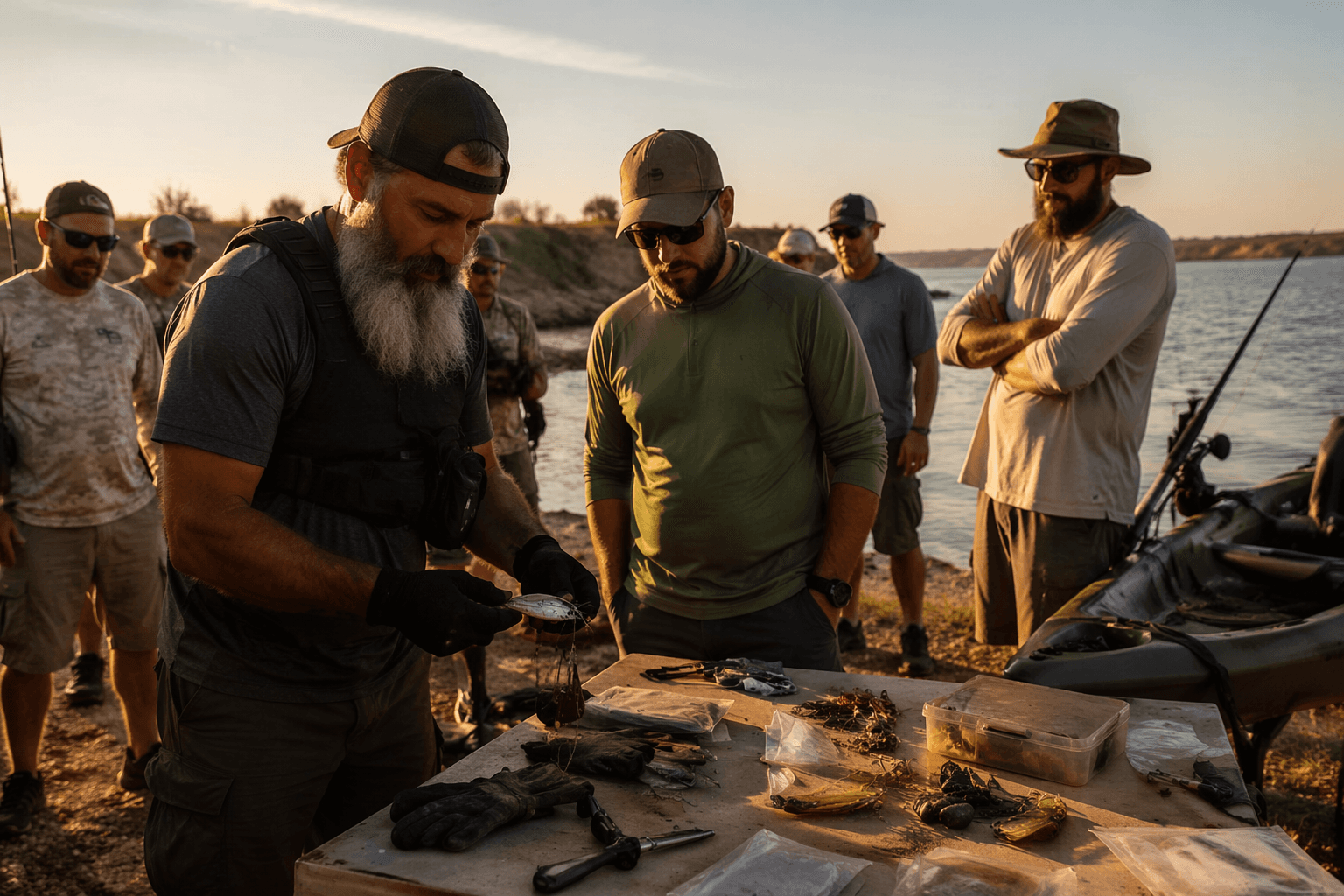
The hobby took off in Europe in the early 2000s after earlier informal use by boaters trying to recover lost items such as keys, and it still carries that same mix of utility and discovery. Keep Britain Tidy, the country’s leading anti-litter charity, frames community cleanup as part of cleaner, greener public spaces, and that fits the best version of magnet fishing perfectly. A responsible pull does not just chase treasure. It also clears out metal that no longer belongs in the water.
Safety, support and the ugly side of a snag
The danger starts the moment the line tightens unexpectedly. Waterway authorities warn that magnet fishing can involve accidental entry into the water, rope trip hazards, sharp metal, weapons and ordnance, and those risks get sharper when you are sitting in a small craft with less room to recover. The Canal & River Trust says removing items from canals can be dangerous without appropriate support, and the Broads Authority advises wearing life jackets.
Canadian defense guidance pushes the warning further, noting that magnet fishers have found knives, firearms, sharp metal and sometimes unexploded explosive ordnance in water bodies. That is the part of the hobby nobody posts first, but it is the part that has to shape your decisions from the start. A heavy snag is not just an inconvenience in a kayak. It can become a balance problem, a cut hazard or a much bigger emergency if the object is live ordnance or a weapon.
Permission, archaeology and cleanup
The legal side matters just as much as the physical one. Portsmouth City Council says magnet fishers should seek landowner permission and warns that illegal excavation or recovery can amount to criminal damage or an offense under the Theft Act. York City Council says magnet fishing is illegal in watercourses within an Area of Archaeological Importance, which is a reminder that some stretches of water carry rules as layered as the history below them.
Treasure finds also need to be handled properly. In the United Kingdom, anything recognized as treasure must be reported to a Finds Liaison Officer within 14 days, and Cambridgeshire County Council says magnet-fishing finds that meet Treasure Act criteria should also be reported as potential treasure. That reporting step is not bureaucratic fluff. It is how a relic moves from a private haul to the public record, where a bent metal object can become part of the historical map.
That is why the Lake Travis tackle box matters beyond the thrill of the pull. The kayak makes the hunt faster, more mobile and more likely to reach the tucked-away places where the past collects, but it also demands tighter control and sharper judgment than a shoreline drag. Get the rope, the balance and the risk right, and the next snag can still open like a time capsule.
This article was produced by Prism’s automated news system from verified source data, official records, and press releases, then run through automated quality and moderation checks before publishing. The system is built and supervised by the people who set the standards it runs under. Read our full AI policy.
Did this article answer your question?


