Magnet fishers haul up bikes, knives and rusted junk from waterways
Most magnet fishing days end in rusted scrap, not treasure: Detroit hauls of twenty bicycles and miles of line show why cleanup, safety and disposal matter.
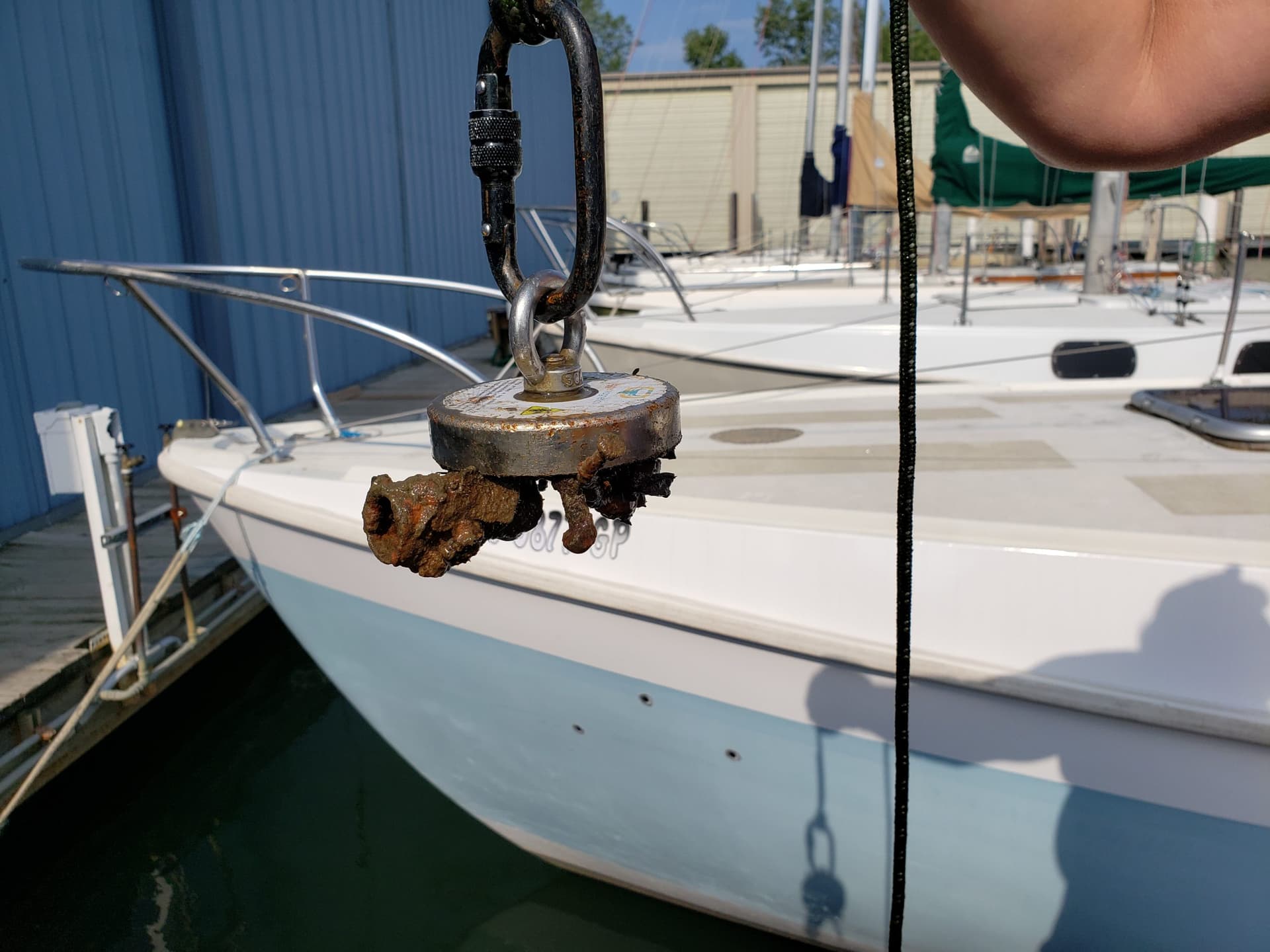
Most magnet fishing trips do not end with a dramatic chest, a vintage coin, or the kind of viral clip that racks up millions of views. They end with heavy, rusty ferrous junk, and that is the honest version of the hobby. In Detroit, magnet fishers pulled up twenty bicycles, miles of fishing line, antique cans, knives, and sparkplugs, a haul that says more about what waterways collect than what social feeds promise.
What a normal haul looks like
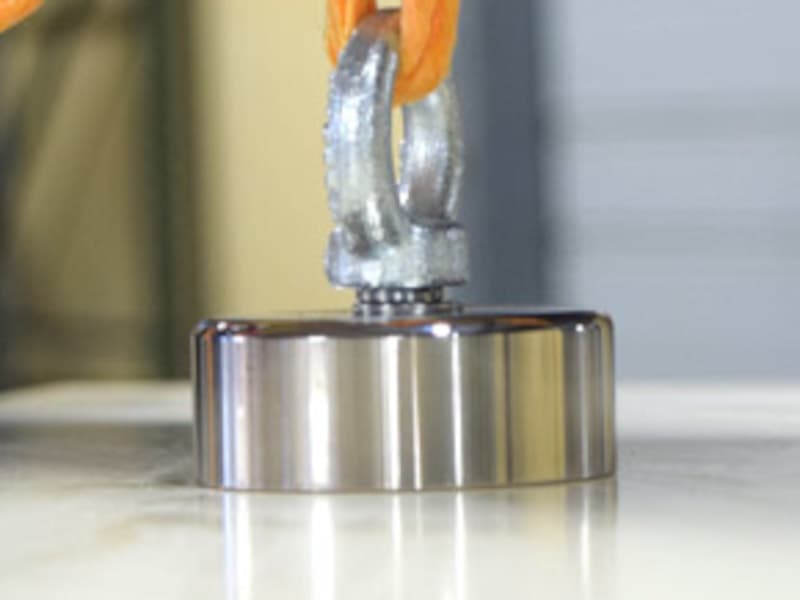
Indiana Department of Natural Resources describes magnet fishing in plain terms: attach a strong magnet to sturdy rope, throw it into a lake or river, and drag the bottom for lost or discarded metal. That simple setup usually brings up wheel rims, bicycles, and keys, not movie props or hidden treasure. Igne’s guidance adds old trolleys and scrap metal to the list, which is exactly why this hobby is so satisfying when you reset your expectations.
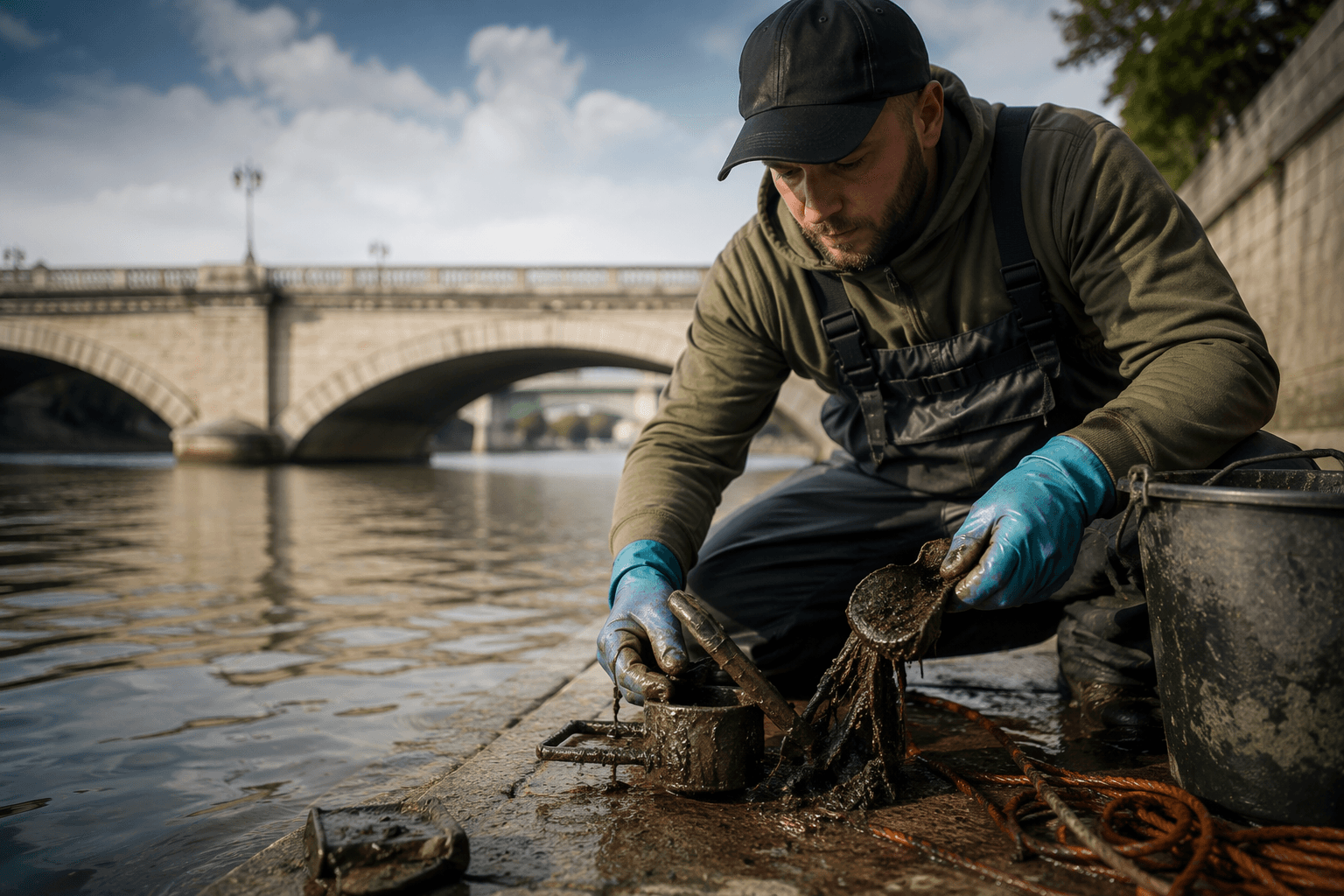
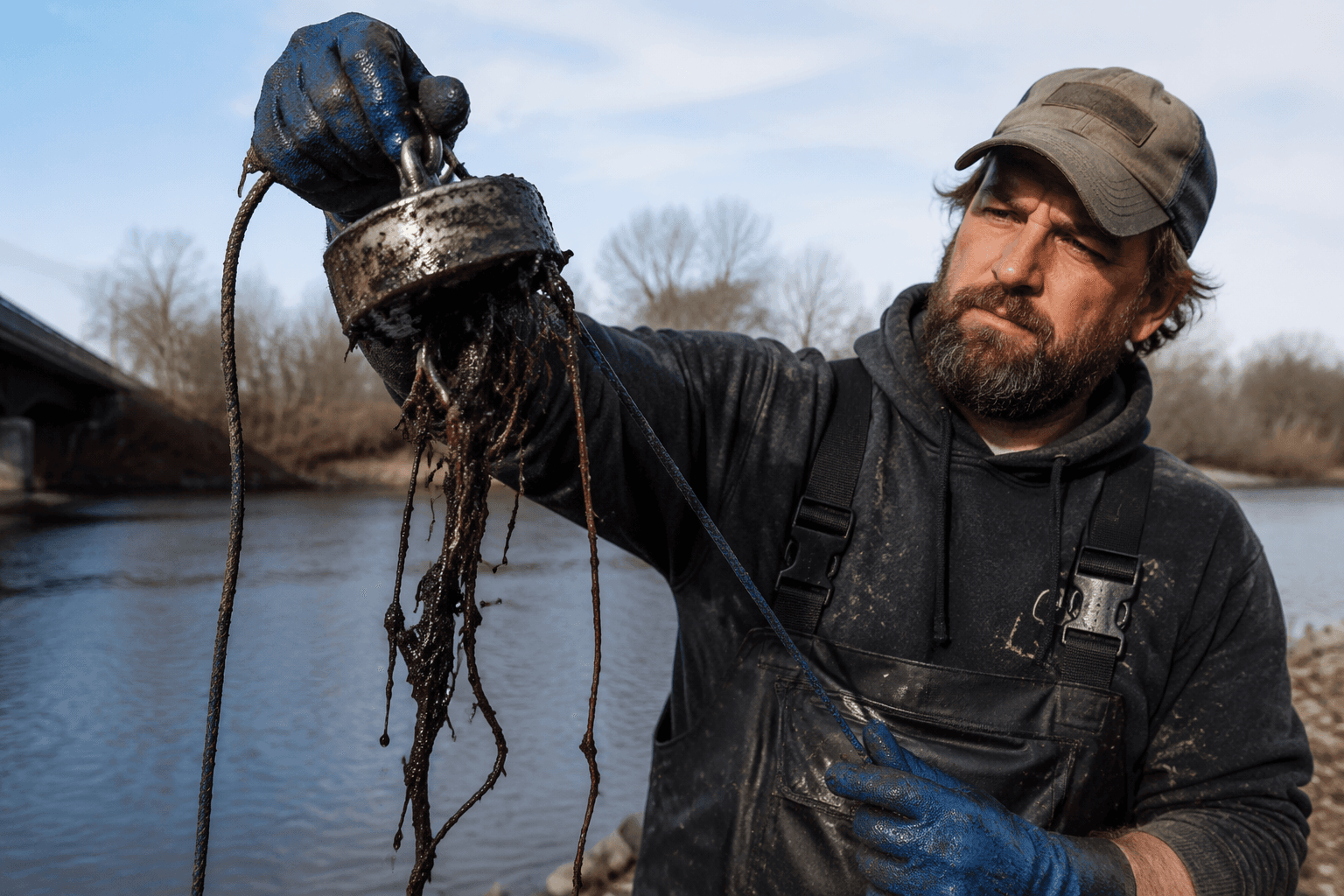
The weight is part of the deal. A good magnet fishing session often means wrestling up corroded metal that has sat in mud or silt for years, then dealing with the mess after it breaks the surface. That is why experienced magnet fishers talk about haul size, oddity, and cleanup value in the same breath, not just about what looks best on camera.
Why the junk matters
A pile of rusty junk is not a failure. It is the real footprint of life around bridges, canals, docks, and public access spots, where bicycles get dumped, keys vanish, cans get tossed, and fishing line gets left behind. Detroit’s mix of twenty bikes and miles of line shows how waterways become storage for the everyday debris of a city, not just relics waiting to be uncovered.
That is also why the best measure of a session is not viral value. A decent pull can mean more volume removed, something bizarre enough to make everyone pause, or one less tangle of metal and line sitting in the water. In that sense, the ordinary haul is the point: it is the proof that the magnet did real work.
The hidden risk on the end of the rope
The hobby keeps getting bigger. BBC has reported that magnet fishing is increasing in popularity, with thousands uploading videos of their finds on YouTube, but the same coverage also highlights the warnings that come with it. One magnet fisher put the risk bluntly: “You do look at it afterwards and think, ‘that could have gone off,’” a reminder that the bottom of a river can hide far more than scrap.
Igne’s safety guidance makes the point even more clearly. Magnet fishers often recover mundane objects such as old trolleys and scrap metal, but they can also run into weaponry or ammunition. That is why a weirdly heavy find is not always a bragging-rights moment. Sometimes it is a stop-everything-and-call-for-help moment.
When the water hides more than history
BBC Bristol’s coverage near Clevedon captured the hobby’s split personality: hidden history on one side, dangerous discovery on the other. Breckland Council has already issued a warning about the potential dangers of magnet fishing, and that warning lands because the hobby keeps producing finds that are interesting right up until they are not. The same pull that brings up a lost tool can also bring up something that belongs in a cordoned-off evidence bag.
Charleston police have pushed the same practical message in public posts: reporting unexpected finds helps keep everyone safe and allows law enforcement to recover and secure dangerous items properly. That matters because the first person to see a questionable object is often the magnet fisher, not the police or the bomb squad. In a hobby built on surprise, that first glance can determine whether the day stays a cleanup run or becomes a public-safety response.
The rules change by place
Location is everything. Indiana DNR’s guidance applies to state properties, but it is only one piece of a patchwork that can change from bridge to bridge, park to park, and state line to state line. Fort Stewart’s Army guidance says magnet detecting remains illegal on federal property, even after a limited break in federal court, which is the kind of detail every newcomer needs before dropping a magnet anywhere that looks open.
That patchwork is the quiet reality behind the hobby. A riverbank that looks harmless may sit under a rule set that is very different from the next one downstream. Publicly accessible does not automatically mean open for magnet fishing, and federal land is its own category entirely.
How to judge a session well
A better magnet fishing day is not always the one with the flashiest object. It might be the one that clears out a basket of wheel rims, bikes, and keys, or the one that produces a strange object nobody can quite identify, followed by a proper disposal run. The biggest tell is usually the rope and the pile on shore: if both are coated in rust and the water is a little cleaner, the session did exactly what the hobby is built to do.
That is the honest appeal of magnet fishing. The rope comes up with bikes, knives, sparkplugs, line, and corroded junk because that is what waterways hide most often. The treasure story gets the clicks, but the real story is the cleanup, the caution, and the heavy, ordinary metal that keeps rising out of the mud.
This article was produced by Prism’s automated news system from verified source data, official records, and press releases, then run through automated quality and moderation checks before publishing. The system is built and supervised by the people who set the standards it runs under. Read our full AI policy.
Did this article answer your question?