Magnet fishing surges as cheap kits and social media drive growth
Cheap starter kits, social video, and better safety habits are turning magnet fishing into a real gateway hobby in 2026.
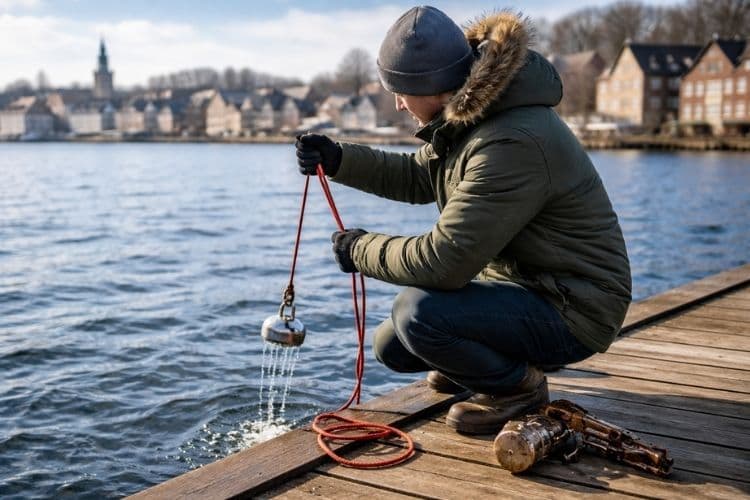
Magnet fishing is moving out of the novelty lane and into the everyday outdoor mix. What matters now is not just that more people are trying it, but that the barriers to entry are dropping fast, from sub-$50 starter kits to all-in-one bundles that make the first outing less confusing and less expensive.
What actually changes for magnet fishers in 2026
The biggest shift is not a flashy new trick or a single must-have magnet. It is the way the hobby has become easier to start, easier to spot online, and easier to explain to people who once saw it as a weird internet side quest. A January 3, 2026 trends piece from Magnet Fishing Is Fun says the growth is visible at familiar bridges and creeks, where more people are showing up and more families are treating the activity like an outdoor treasure hunt.
That change matters because it lowers the social and practical friction around the hobby. If you used to feel like magnet fishing was something only hardcore gear heads or YouTube daredevils did, the current landscape says otherwise. The activity is still about the pull and the surprise, but it is now being framed as a cheap, accessible way to spend time outdoors and bring something real up from the water.
Cheap starter kits are opening the door
The clearest entry-level change is price. The 2026 trend report says decent beginner setups are now available for under $50, and that all-in-one bundles are making it easier to get started without buying every piece separately. For a hobby that once leaned on improvised setups and trial-and-error purchases, that is a real shift in how people enter the scene.
This does not mean every cheap kit is equal, but it does mean you can start with less risk and less guesswork. For new magnet fishers, that lowers the chance of overbuying a huge rig before learning what kind of spots you actually fish, how often you get snags, and whether you prefer lighter, simpler setups or something more specialized.
Double-sided magnets are becoming the middle-ground pick
One gear trend stands out in the 2026 write-up: double-sided magnets are increasingly the standard choice for intermediate fishers. The appeal is straightforward. They increase the chance of contact on both the drop and the drag, which gives you more coverage without jumping straight to a massive specialty setup.
That makes them the practical bridge between beginner kits and the bigger rigs that can feel excessive when you are still learning the ropes. If you are moving beyond the first few outings, this is the kind of upgrade that changes your odds in a real way, not just your bragging rights. It is one of the few gear shifts in the hobby that clearly affects success rates, not just appearance.
Social media is still the biggest growth engine
The hobby’s visibility has exploded because short-form video makes every dramatic pull feel like it could happen on your next cast. The 2026 trends piece says social feeds are full of magnet fishing clips, and that constant stream keeps drawing in new people by making the hobby look immediate, cheap, and repeatable.
That kind of exposure cuts both ways. It helps the hobby grow, but it can also make magnet fishing look easier than it is. A good clip shows the payoff, not the hours of snagging junk, learning water access, or getting skunked. For everyday magnet fishers, the real change is not that social media has magically improved the odds, but that it has normalized the idea of trying.
The hobby has a longer backstory than many people realize
Magnet fishing may feel like a new online craze, but its modern video era goes back further than most casual observers expect. A 2023 news explainer said one of the first modern-style magnet-fishing YouTube videos was filmed in 2010 and uploaded in 2011. The same report also pointed to a 2009 blog post in which someone casually claimed to have “invented” magnet fishing with his godson.
That origin story is informal, not definitive, and that is part of the point. The hobby grew the way a lot of internet-era outdoor subcultures do, through scattered experiments, a few early clips, and then a wave of people realizing they could do it too. By 2026, the important fact is not who got there first. It is that the activity has enough history behind it to have its own gear habits, its own norms, and its own online language.

Safety is finally getting the attention it should have had earlier
The newest discussion around magnet fishing is not just about pull strength or the biggest possible find. The 2026 trends piece says safety has started to receive more attention, with more focus on gloves, rope handling, protective accessories, and smarter choices about where and how you fish.
That is a meaningful cultural change. When the hobby centers only on bragging rights, people ignore the everyday hazards: rope burns, sharp debris, snagged gear, and the risk that a promising object turns out to be dangerous. The newer safety mindset is more mature, and it fits the reality that magnet fishing is as much about control and judgment as it is about raw force.
Laws and local rules still shape where you can go
There is still no single federal law that universally governs magnet fishing in the United States. Legal explainers say the rules depend on state law, local restrictions, park rules, trespass limits, and artifact laws, which means location choice matters as much as magnet choice.
That uncertainty is one of the biggest practical realities for anyone in the hobby. The same gear that works fine on one stretch of water can land you in trouble somewhere else if you ignore access rules or restricted areas. If 2026 is making magnet fishing easier to start, it is not making it simpler to treat every bank, bridge, or creek as fair game.
Cleanup culture is part of the appeal
Magnet fishing also overlaps more and more with waterway cleanup work. Volunteer cleanup networks advertise large-scale removal efforts, and many magnet fishers see the hobby as a way to pull trash and metal debris out of the water while chasing finds at the same time.
That gives the hobby a broader public purpose than a lot of people assume. It is not just about old tools, lost keys, or the occasional surprise cache. The cleanup angle helps explain why the community has grown beyond pure curiosity, especially among people who want an outdoor activity that leaves a visible mark on a place.
The serious finds are why caution never drops out of the picture
The hobby’s growth has also brought more attention from law enforcement and local governments, because magnet fishers sometimes recover guns, ammunition, or other suspicious items. Recent reporting described an AR-15-style rifle recovered from Lake Quinsigamond in Massachusetts in August 2025, and a magnet fisherman finding a derringer pistol in a Bridgewater, Massachusetts river in 2026.
Another Bridgewater river gun find in 2026 prompted a police investigation. Those stories are a reminder that the chain of custody matters, and that the right move when you pull up something that could be evidence or a weapon is immediate police contact, not a victory photo. The hobby may be cheaper and more visible now, but the stakes on certain finds are higher than ever.
Why magnet fishing keeps growing
The broader outdoor market helps explain why the hobby has room to expand. RBFF and the Outdoor Foundation’s 2025 Special Report on Fishing said 57.9 million Americans ages 6 and up went fishing in 2024, the highest level on record in that reporting. That kind of participation supports adjacent beginner-friendly gear ecosystems and makes outdoor experimentation feel normal rather than fringe.
For magnet fishers, that is the real 2026 story: more people, better starter gear, stronger safety habits, and a clearer sense that this is a legitimate hobby with rules, risks, and community standards. The bank is busier, the kits are cheaper, and the social feed is louder, but the basic appeal is still the same, a low-cost outing that can bring up something real instead of another empty-handed trip.
This article was produced by Prism’s automated news system from verified source data, official records, and press releases, then run through automated quality and moderation checks before publishing. The system is built and supervised by the people who set the standards it runs under. Read our full AI policy.
Did this article answer your question?


