Residents confront magnet fishers, police called over neighborhood clash
Multiple residents told a magnet-fishing crew to leave, and police were called in a clip that turned a normal outing into a fight over access.

A normal magnet-fishing outing turned into a neighborhood standoff when multiple residents told the crew to leave and police were called. The clip drew attention not for the object on the magnet, but for the argument at the water’s edge, where a hobby built around pulling scrap from the bottom became a dispute over who gets to use the shoreline.
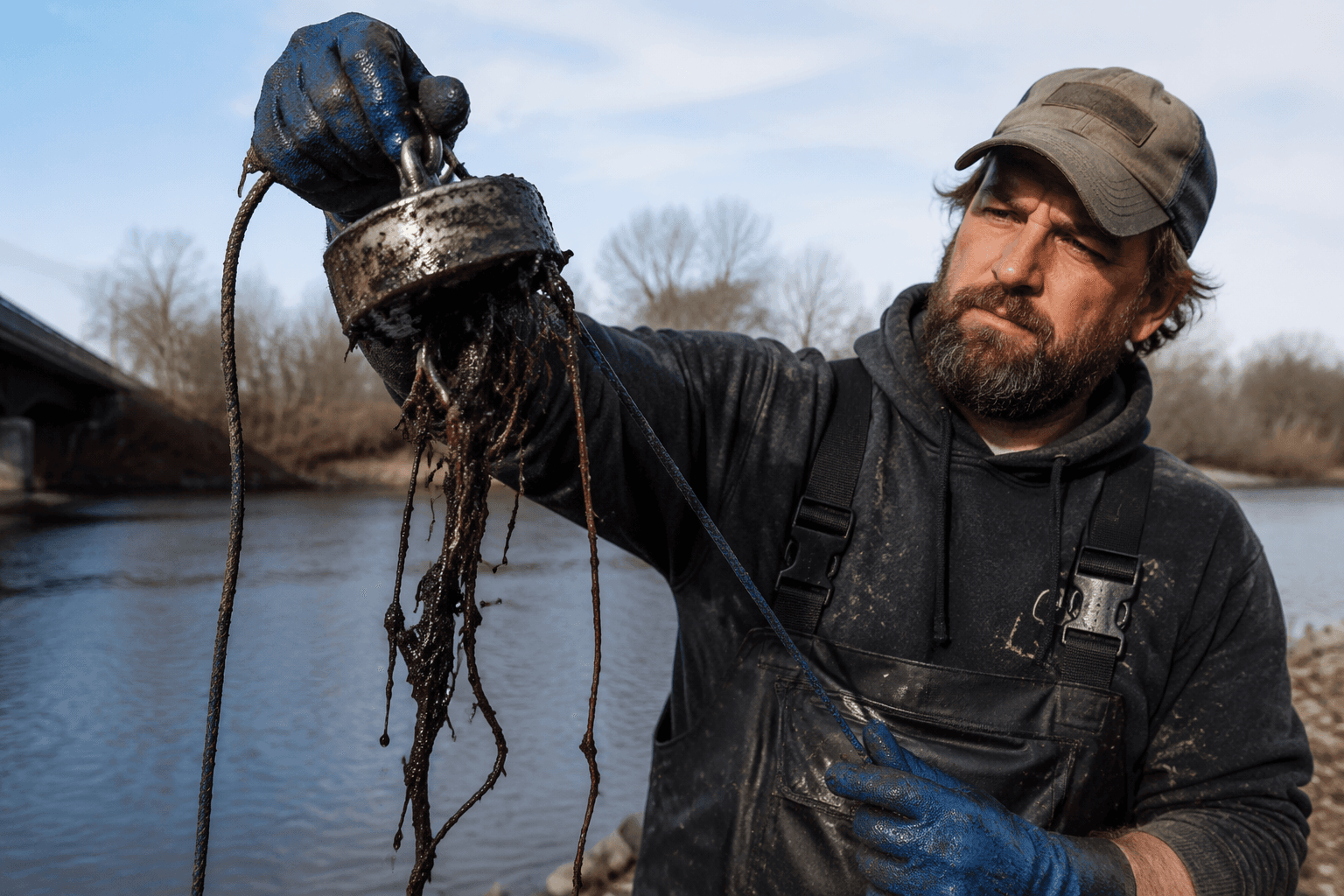
Magnet fishing, also called magnetic fishing, is the search of outdoor waters for ferromagnetic objects with a strong magnet. On paper it sounds straightforward, but the public-facing side can be messy fast: a crew with ropes, buckets and cameras can look, to nearby residents, like trespassers, loiterers or a nuisance rather than a cleanup crew.
That tension is not limited to one neighborhood scene. The National Park Service defines magnet fishing in its laws and policy materials as searching in outdoor waters for ferromagnetic objects available to pull with a strong magnet. The agency’s 2026 Superintendent’s Compendium for Cape Hatteras National Seashore also includes magnet fishing in its policy materials, a reminder that the hobby sits inside the same access rules that govern other uses of public water.
The U.S. Army Corps of Engineers has taken an even harder line at Pat Mayse Lake. In a memo, the Corps said the use of metal detecting and magnetic fishing methods there presents a life-safety hazard because of the high probability of unexploded ordnance in and around the site. The warning ties the risk not only to the person working the line, but to others nearby.

That broader backdrop is what makes the confrontation in the clip stand out. The central conflict was not a headline-grabbing pull from the water. It was a neighborhood clash that escalated quickly enough to bring police into the picture, showing how magnet fishing can move from harmless curiosity to public friction the moment bystanders decide the shoreline is not fair game.
For magnet fishers, the lesson is plain: the best spots are not just productive, they are tolerated. A magnet can reach the bottom in seconds, but a bad encounter on shore can close access much faster than any snag in the water.
This article was produced by Prism’s automated news system from verified source data, official records, and press releases, then run through automated quality and moderation checks before publishing. The system is built and supervised by the people who set the standards it runs under. Read our full AI policy.
Did this article answer your question?