Why magnet shape matters more than pull force in magnet fishing
A magnet’s shape decides how often it bites, slips, or drags free. 360° designs help in mud and uneven bottoms, while single- and double-sided rigs still fit narrower jobs.

A magnet that lands flat on a target can feel unstoppable; the same magnet tipped on a dock edge, rolled in silt, or dragged across broken riverbed can lose its bite fast. Shape, contact angle, and usable surface matter when you are choosing a setup for bridges, docks, and muddy water.
Shape changes the catch
The core difference is simple. Single-sided magnets pull from one flat face, double-sided magnets pull from two faces, and 360° magnets work all the way around the casing. In real fishing, that extra contact area matters because the magnet rarely settles neatly on a target. It rolls, skids, and scrapes over uneven bottom terrain, so the design that keeps some magnetic surface engaged is often the one that keeps a find moving toward the bucket.
A 360° magnet gives you more forgiveness when you are learning how to sweep a spot, feel the bottom, and recover an object that is half-buried or lying at an angle. Instead of needing the perfect flat landing, you get a wider window for contact, which can translate into more recovered metal on messy riverbeds and around snaggy structure.
Why single-sided and double-sided magnets still matter
Single-sided magnets have a very clear job. If you know where the target is and can drop the magnet flat onto it, they can be extremely effective. The trade-off is just as clear: once the magnet tips onto its side, the active face is no longer aimed at the object, and pickup chances drop sharply. That makes them better suited to controlled drops than to broad, unpredictable searching.
Double-sided magnets sound like the middle ground, and sometimes they are, but they still depend on favorable contact angles. They spread the pull across two faces, which can look strong on paper, yet that split can make them less consistent than a 360° design when you are dragging across a wide area rather than lifting a known object straight up. If your fishing style is more about probing bridges, edges, and random debris fields, consistency often beats a higher-looking rating.
Pull force is not the whole story
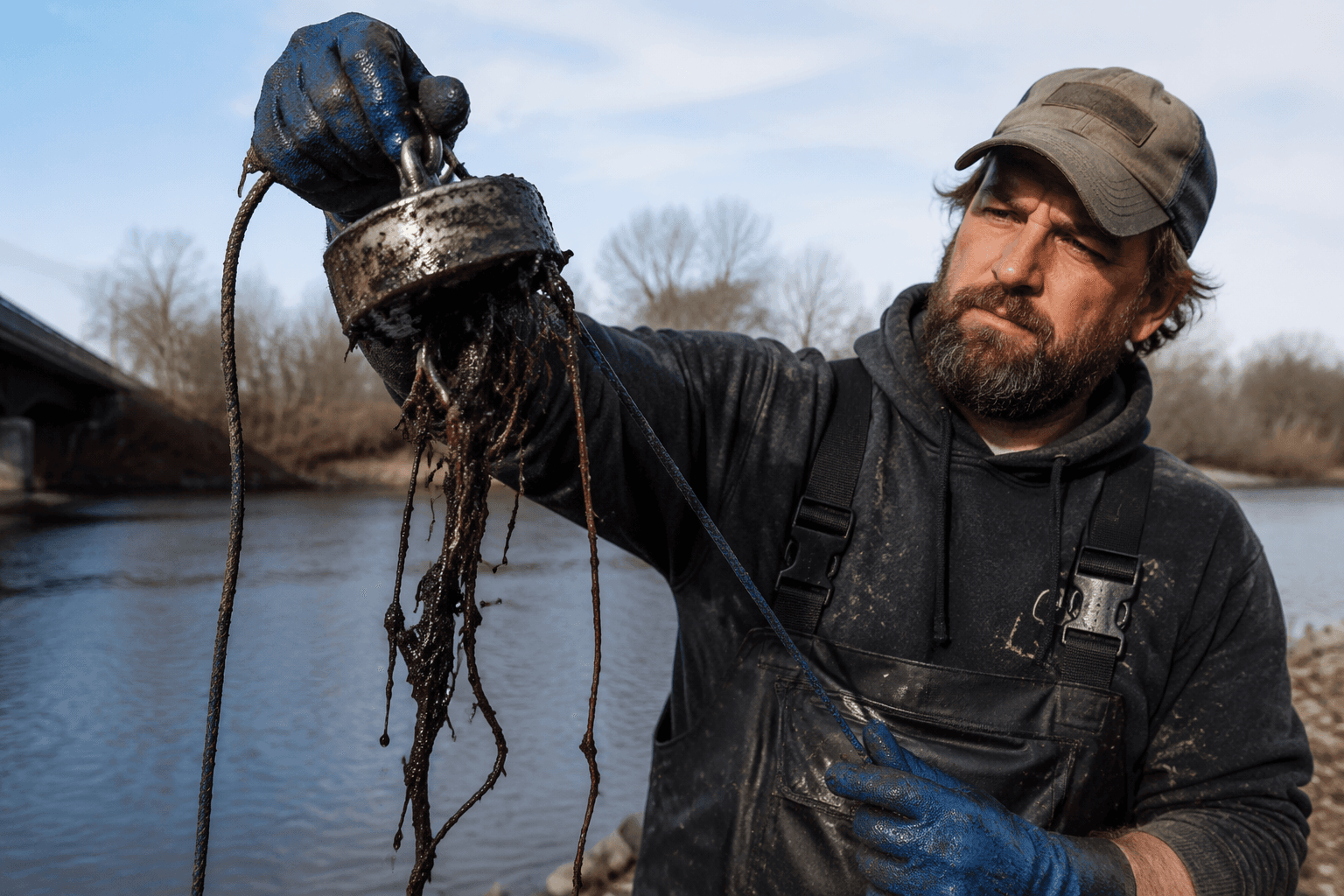
Pull-force numbers are useful, but only if you understand the test behind them. K&J Magnetics measures the listed pull force for its fishing magnets against a large, flat, dry steel plate, which is a very different job from tugging on a riverbed object coated in rust, mud, or barnacles. That difference explains why two magnets with similar numbers can behave very differently once they hit real water.
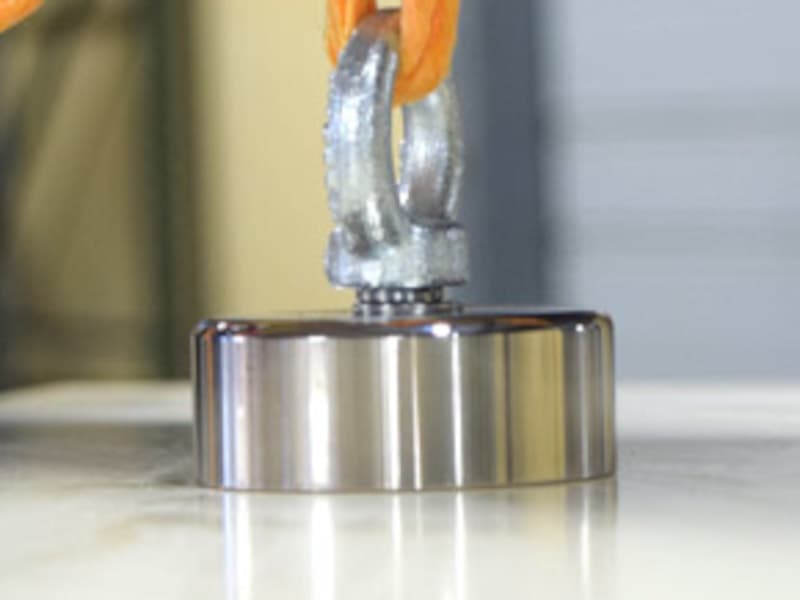
K&J’s fishing-magnet line also shows how design follows use. It offers FM1 models with the eye bolt on top and FM2 models with the eye bolt on the side for a double-sided design. The line comes in 230 lb, 400 lb, and 500 lb versions, and the FM2-60 example is a 60 x 30 mm N38 magnet rated at 400 lb with a 176°F, or 80°C, maximum operating temperature and Ni-Cu-Ni coating for corrosion resistance.
Brute Magnetics’ clamp collection uses a steel-cased design built to create a larger magnetic field and attract from every side, which gives it part of the convenience people want from a 360° setup while keeping the structure of a shielded magnet. That kind of hybrid design is useful to keep in mind if you want the reach of all-around contact without giving up a more controlled case around the magnet.
What to grab for the kind of fishing you do
The right shape depends on the job in front of you.
- If you are working a known spot and can drop straight onto a target, a single-sided magnet can be a sharp tool.
- If you want some added flexibility without going fully all-around, a double-sided magnet can work, especially when you can keep a decent angle on the pull.
- If you are learning, fishing rough water, or sweeping mud, silt, and uneven ground, a 360° magnet gives you the best chance of keeping contact when the magnet rolls or lands off-center.
The places you fish change the tool you need
The hobby took off in Europe in the early 2000s, and the finds now range from bicycles and coins to guns, safes, bombs, grenades, and tire rims.
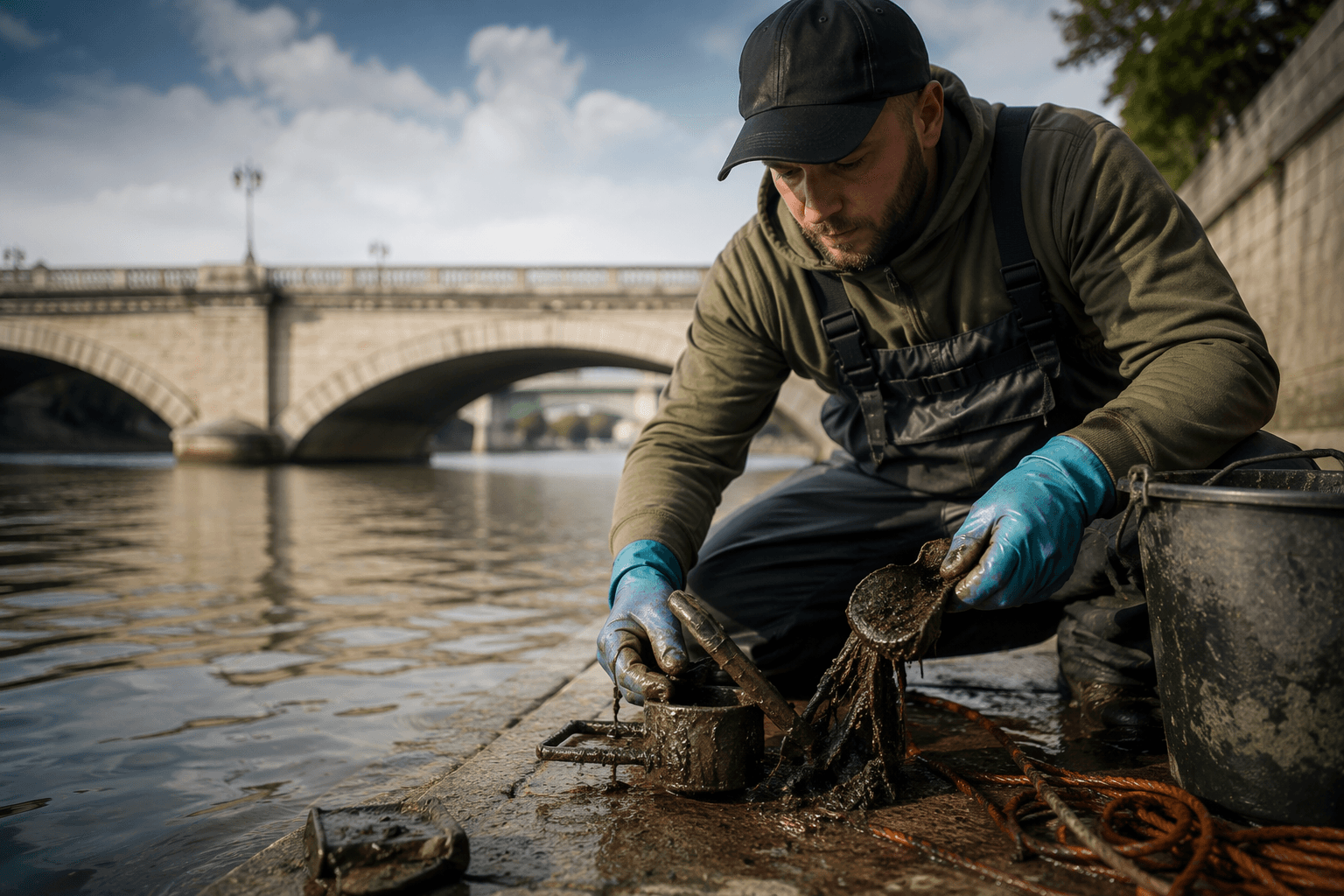
That is why 360° magnets make so much sense around bridges and docks, where angles are awkward and surfaces are irregular. They are also well suited to muddy bottoms, where the magnet may drag across buried debris before it gets a clean grip. Single-sided rigs still have a place, but they reward precision more than roaming; double-sided models sit in the middle, though they can still lose consistency when the pull direction changes.
Rules and risks sit alongside the gear choices
The hobby’s public face is getting bigger, but the legal and safety side is just as real. In the Broads, magnet fishing requires landowners’ permission on private land, and the Broads Authority warns that sharp metal left on the riverbank can endanger other visitors, including dogs. Scheduled monuments are protected against unauthorized works, deliberate damage, and unauthorized metal detecting.
Section 42 guidance adds another hard line: it is against the law to use a metal detector or remove an object found with a metal detector on a scheduled monument without consent. Portsmouth City Council requires requests to magnet fish to be made in advance so it can check land ownership, legal restrictions, archaeological records, and suitability, and the city has 17 scheduled monuments.
The safety stakes are not abstract. Cambridgeshire Constabulary recorded 29 magnet-fishing-related incidents between 2022 and September 2025 in FOI data. Finds in the Peterborough area included explosive devices and firearms, and a June 6 incident in Chippenham involved a magnet fisher pulling a grenade from the River Avon, which triggered a police cordon and bomb squad response before it was identified as a practice grenade.
A hobby that reaches beyond scrap
There is another side to the story in Baltimore, where historian and explorer Evan Woodard has used magnet fishing for Salvage Arc projects. He launched the Salvage Arc Foundation in 2024 to create a museum and offer seminars, workshops, and historic exhibitions.
This article was produced by Prism’s automated news system from verified source data, official records, and press releases, then run through automated quality and moderation checks before publishing. The system is built and supervised by the people who set the standards it runs under. Read our full AI policy.
Did this article answer your question?