Adafruit introduces Meshtastic as a practical LoRa mesh network for makers
Adafruit’s Meshtastic intro makes off-grid LoRa mesh feel like a normal maker project, and the first node is closer than many expect.
Why Adafruit’s take matters
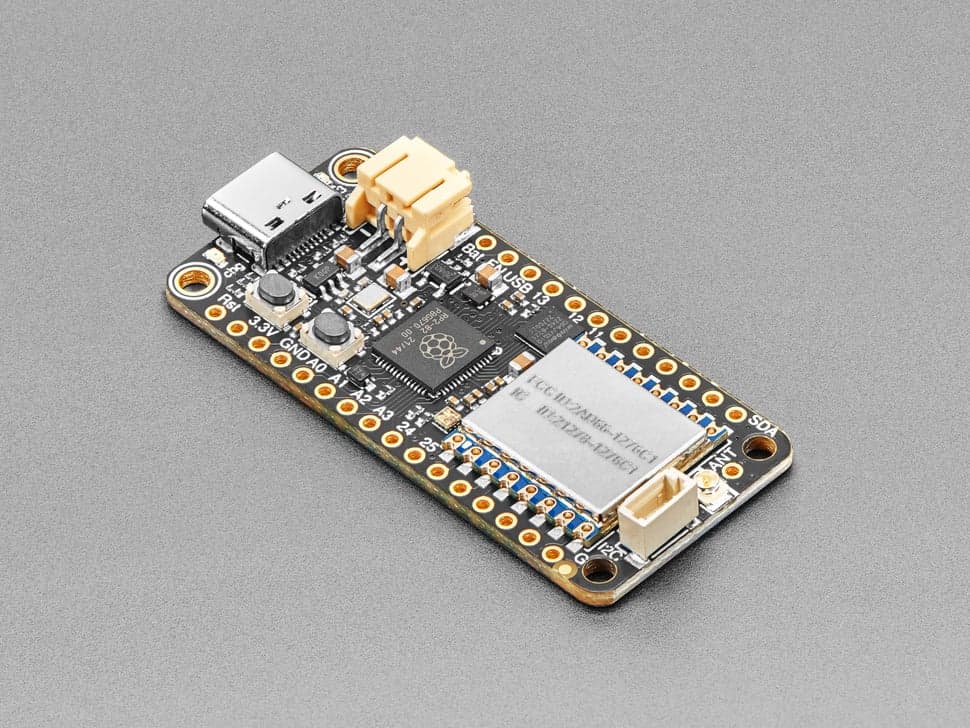
When Adafruit Industries puts a project in front of its maker audience, it changes the way the rest of the hobby world sees it. Its May 9 introduction to Meshtastic does exactly that: it frames off-grid mesh communication not as an esoteric radio curiosity, but as something that fits naturally beside microcontrollers, sensors, and weekend builds. The image of an Adafruit Feather RP2040 with an RFM95 LoRa Radio does a lot of quiet work here, because it tells builders that Meshtastic starts with familiar, off-the-shelf parts rather than specialized gear.
That matters for the broader hobby ecosystem. Meshtastic already had the technical ingredients to be compelling, but Adafruit gives it the kind of practical context that makes a new project feel approachable. For a maker who already understands boards, firmware, USB connections, and device pairing, the jump into LoRa mesh suddenly looks less like a deep radio rabbit hole and more like the next logical experiment.
The shortest path from microcontroller experience to a first node
Meshtastic’s appeal is that it sits squarely in the zone where embedded electronics meets real-world communication. The project’s homepage describes it as an open source, off-grid, decentralized mesh network built to run on affordable, low-power devices, and its docs explain that inexpensive LoRa radios provide long-range communication where infrastructure is absent or unreliable. That is the core idea to keep in view: this is practical networking, not abstract protocol play.
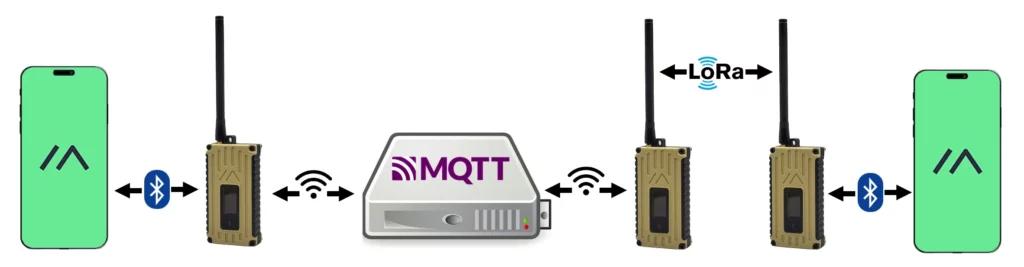
If you already know your way around microcontrollers, the first node is less about learning electronics from scratch and more about assembling the right combination of parts and settings. Meshtastic’s getting-started docs say phones or computers can connect to radios via Bluetooth, Wi-Fi, or USB, which means setup can begin with a familiar workflow: flash firmware, pair a device, and use the companion software to talk to the node. The project also provides a web flasher plus dedicated apps for iOS, Android, macOS, and other platforms, so the software side is designed to meet you where you already are.
What actually happens when a Meshtastic message moves
The concept is simple enough to grasp quickly, and that simplicity is part of the appeal. Meshtastic’s overview says messages are broadcast by the radio, and if no confirmation is heard, they can be retransmitted up to three times. In practice, that means the mesh can extend reach without depending on a central tower, a carrier, or the internet.
That broadcast-and-rebroadcast behavior is why the project feels so different from ordinary point-to-point wireless tinkering. You are not just linking one device to another. You are participating in a network that can carry text and other practical data across a community of nodes, which makes placement, antenna quality, and basic radio planning matter right away. For a beginner, that is the first real shift in thinking: the node is only part of the story, and the mesh around it is what gives it value.
The settings that matter first
Before the project gets magical, it gets practical. Meshtastic’s radio settings docs make clear that region matters, and that is one of the earliest things a new builder has to learn. In North America, the project commonly uses the 915 MHz ISM band; in Europe, 868 MHz is generally the most popular band, and the 433 MHz band is also available there under stricter limits, including a maximum allowed power of +10 dBm ERP.
That regional split is a useful reality check for newcomers. It explains why Meshtastic is not just a firmware download, but a system shaped by radio rules, local bands, and deployment choices. Adafruit’s friendly introduction lowers the intimidation factor, but the first node still asks you to pay attention to geography, frequency, and how your hardware matches the rules where you live.
Why the community feels bigger than a niche project
Meshtastic no longer behaves like a tiny side project maintained by a handful of enthusiasts. Its GitHub organization says it manages more than 100 repositories, which signals a broad technical footprint across firmware, apps, and supporting tools. The Discord invite page showed roughly 49,508 members, a number that makes the project feel less like a lone experiment and more like a living network of builders, testers, and operators.
That scale shows up in the project’s community pages too. Meshtastic’s docs list local groups and community apps, which is a strong sign that the project has matured into something social as well as technical. You are not just installing software, you are stepping into a network of regional practices, shared troubleshooting, and practical field use. For a maker used to solo bench projects, that community layer is a big part of the draw.
What you still need to learn after the intro
Adafruit’s post is a doorway, not the whole house. Once you move past the first wave of excitement, you still need to understand the basics that make a mesh reliable in the real world: region selection, antenna choice, power behavior, and where a node should actually live. Those are the details that turn a board on a desk into a useful radio point in a network.
You also need to get comfortable with the project’s software ecosystem. The web flasher and companion apps make onboarding easier, but they do not remove the need to think like a radio builder. The good news is that Meshtastic is organized so you can learn those layers in order: first get a device talking, then tune the settings, then start thinking about how your node fits into a wider mesh.
That is why Adafruit’s framing matters so much. It does not pretend Meshtastic is trivial, and it does not need to. It simply translates a capable off-grid communications platform into the language of makers who already know how to build, flash, pair, and iterate, and that is often the difference between a project people admire from afar and one they actually bring to life.
This article was produced by Prism’s automated news system from verified source data, official records, and press releases, then run through automated quality and moderation checks before publishing. The system is built and supervised by the people who set the standards it runs under. Read our full AI policy.
Know something we missed? Have a correction or additional information?
Submit a Tip