Meshtastic Network Mapper v2.4.6 brings live mesh tracking to small hardware
A new v2.4.6 release turned Meshtastic Network Mapper into a tighter live ops tool for low-power hardware, fixing message loss and a plugin-disable bug.

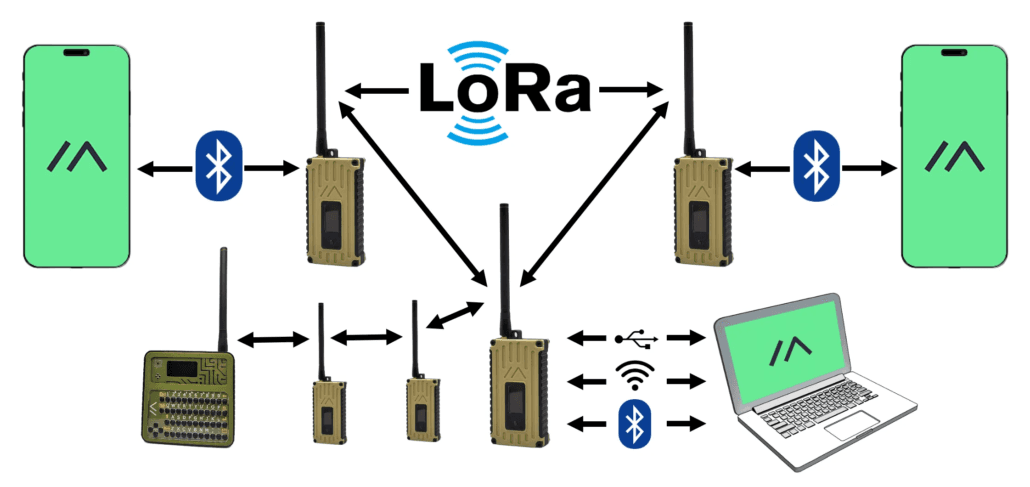
Meshtastic Network Mapper v2.4.6 sharpened one of the more practical tools in the Meshtastic stack: a browser-based live view of where nodes are, what they are saying, and how the mesh is actually behaving in the field. The project describes itself as a real-time visualization layer for Meshtastic networks, and it is built to run on modest hardware such as a Raspberry Pi Model B+ with 512MB RAM, a detail that matters in a community where low-cost gateways and small single-board computers are often the norm.
The mapper’s core value is operational clarity. It uses WebSocket live updates, with polling as a fallback, to keep an interactive Leaflet map current while a separate Messages panel shows broadcasts and direct messages. It also keeps state across restarts, supports multiple trackers, exposes a JSON API, and automatically clears stale nodes after 48 hours by default. That combination makes the mapper more than a static dashboard. It gives an operator a way to watch a node go dark, see whether packets are still arriving through another path, and check whether a placement change really improved coverage or simply moved the problem somewhere else.
The project’s broader feature set pushes that idea further. Its website says it can configure devices from the browser, show network statistics, trace packet routes with SNR visualization, and run line-of-sight analysis using terrain profiles, Fresnel zone, and earth-curvature calculations. It also supports USB serial and TCP or WiFi connections, and it advertises more than 10 configuration tabs. For live mesh work, those are the tools that help answer the questions that matter in practice: where is the dead zone, how many hops is a message taking, and is a node sitting in the right place for the terrain it has to cover?
Saturday’s v2.4.6 release was small but important. It fixed a plugin-disabled-after-update problem and a bug that could make messages disappear after 60 seconds. In a network mapper, that kind of cleanup is not cosmetic. If a message drops out too quickly or a plugin state breaks after an update, the operator gets a distorted picture of the mesh at exactly the wrong moment.
The release also lands inside a growing plugin ecosystem. The store already advertises open-source add-ons such as Elevation Map, MQTT Proxy, and Meshtastic BBS, with plugins able to add backend Python logic, frontend UI, and hooks for messages, positions, and telemetry. That makes the mapper feel less like a simple map and more like a lightweight observability layer for Meshtastic networks, built for the same open, decentralized, low-power culture that has helped the project spread across 100 plus community-supported devices, 1,800 plus code contributors, 26 LoRa regions, and 39 languages.
This article was produced by Prism’s automated news system from verified source data, official records, and press releases, then run through automated quality and moderation checks before publishing. The system is built and supervised by the people who set the standards it runs under. Read our full AI policy.
Did this article answer your question?