Italian project uses Meshtastic for off-grid safety in Campania
SOS-Campania put Meshtastic radios on a 10-antenna safety mesh reaching Salerno, Irpinia and key parks where phones drop dead.
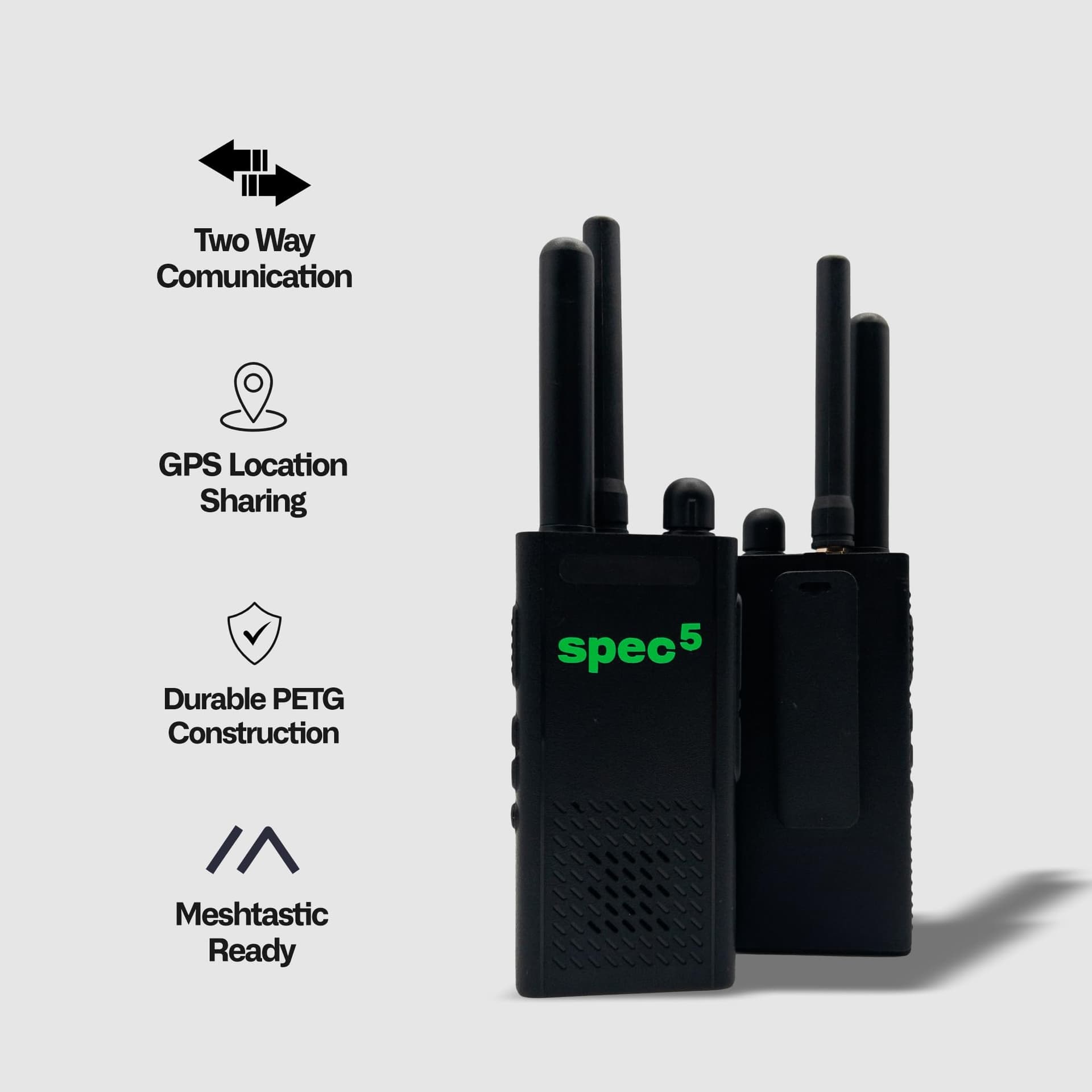
Meshtastic is being treated in Campania as a real safety layer, not a gadget for weekend tinkerers. SOS-Campania launched on 8 June 2026 as a social utility project tied into the national SOS-Italia backbone, with a mesh built to keep outdoor groups talking in places where mobile phones do not work.
The setup runs on 10 antennas and reaches much of Salerno province, along with parts of Naples, Caserta, Avellino and Benevento, including inland Irpinia. It also stretches into some of the region’s busiest natural and tourist zones, from Cilento, Vallo di Diano and Alburni National Park and Partenio National Park to Monti Lattari Regional Park, Monti Picentini Regional Park, Matese National Park, Taburno Camposauro Regional Park, Vesuvius National Park and even the Pompeii Archaeological Park, where crowds can choke off ordinary cell service. The project was developed with regional referents Antonio De Feo, Fabio Matacena and Giovannino Carrano, plus 20 collaborators.
The hardware choice matters. The trackers are based on Meshtastic, which describes itself as an open-source, community-driven off-grid mesh network built on inexpensive LoRa radios. Its whole pitch is simple: no cell towers, no internet, just peer-to-peer messaging that can relay through nearby nodes. For Italy, that means the EU_868 LoRa region, and that means planning around terrain, ridgelines and node placement instead of assuming signal will magically appear.
That last part is where the safety claim gets tested in practice. Meshtastic’s own range-test documentation lists a current ground record of 331 km and an air record of 206 km, but those figures are ideal-case outliers, not a promise for a mountain rescue or a crowded park. In the field, hills, buildings and bad placement decide whether a message gets through. Any hiking club, event organizer or civil protection group trying to copy this model would need to train operators, map coverage gaps and understand that a mesh is only as strong as the nodes already in position.
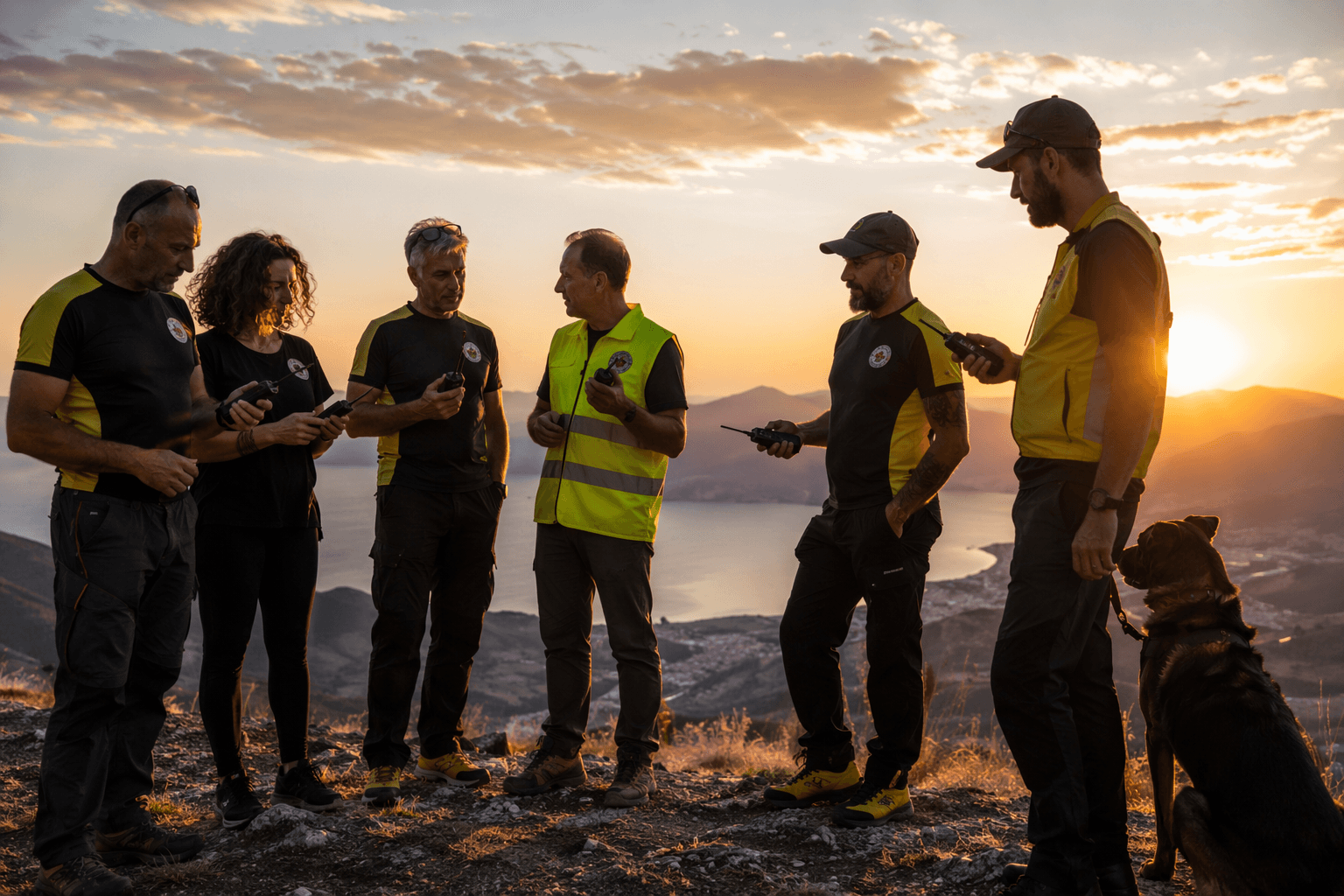
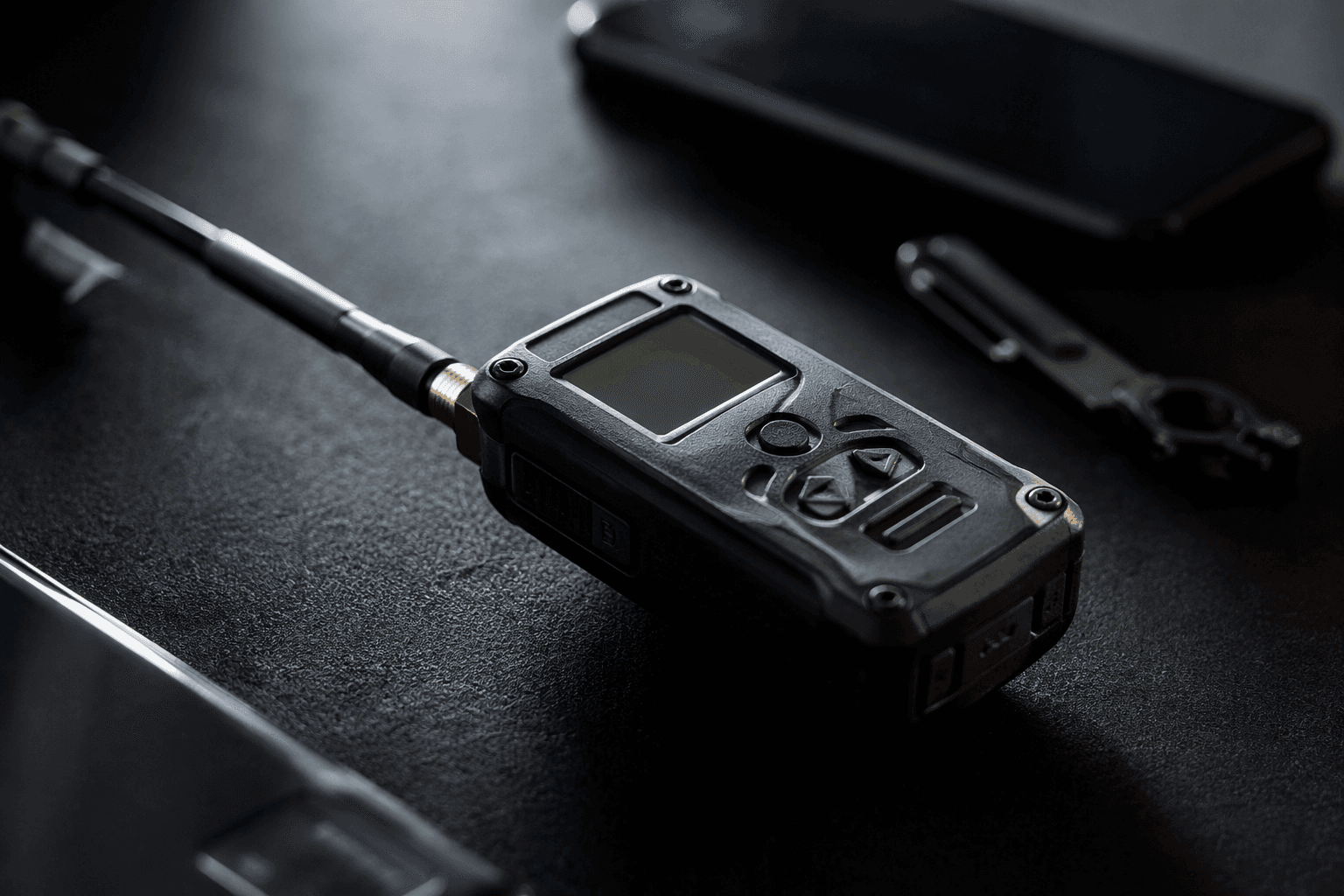
The SOS Italia Shop’s FreeRange tracker shows how the project is thinking about field use: GPS tracking, a display, an 800 mAh battery rated for about three days, USB-C charging, an external antenna and a glow-in-the-dark case. The intended uses listed for the device, trekking, camping, civil protection, tactical and outdoor use, and off-grid communications, match the way SOS-Campania is positioning the network.
Meshtastic’s own evolution fits the same pattern. It started as a way to keep hiking buddies connected when cell service was unavailable, then expanded into search and rescue, off-grid communication and disaster recovery, with stronger encryption added in 2024 for direct messages and remote administration. In Campania, the message is blunt: the mesh can be a credible safety layer, but only if the route, the nodes and the operators are ready before the trail goes dark.
This article was produced by Prism’s automated news system from verified source data, official records, and press releases, then run through automated quality and moderation checks before publishing. The system is built and supervised by the people who set the standards it runs under. Read our full AI policy.
Know something we missed? Have a correction or additional information?
Submit a Tip