LILYGO T-Lora Pager brings keyboard messaging to Meshtastic nodes
A keyboard, 2.33-inch color screen and foldable antenna make the T-Lora Pager feel built for field messages, not bench-top tinkering.
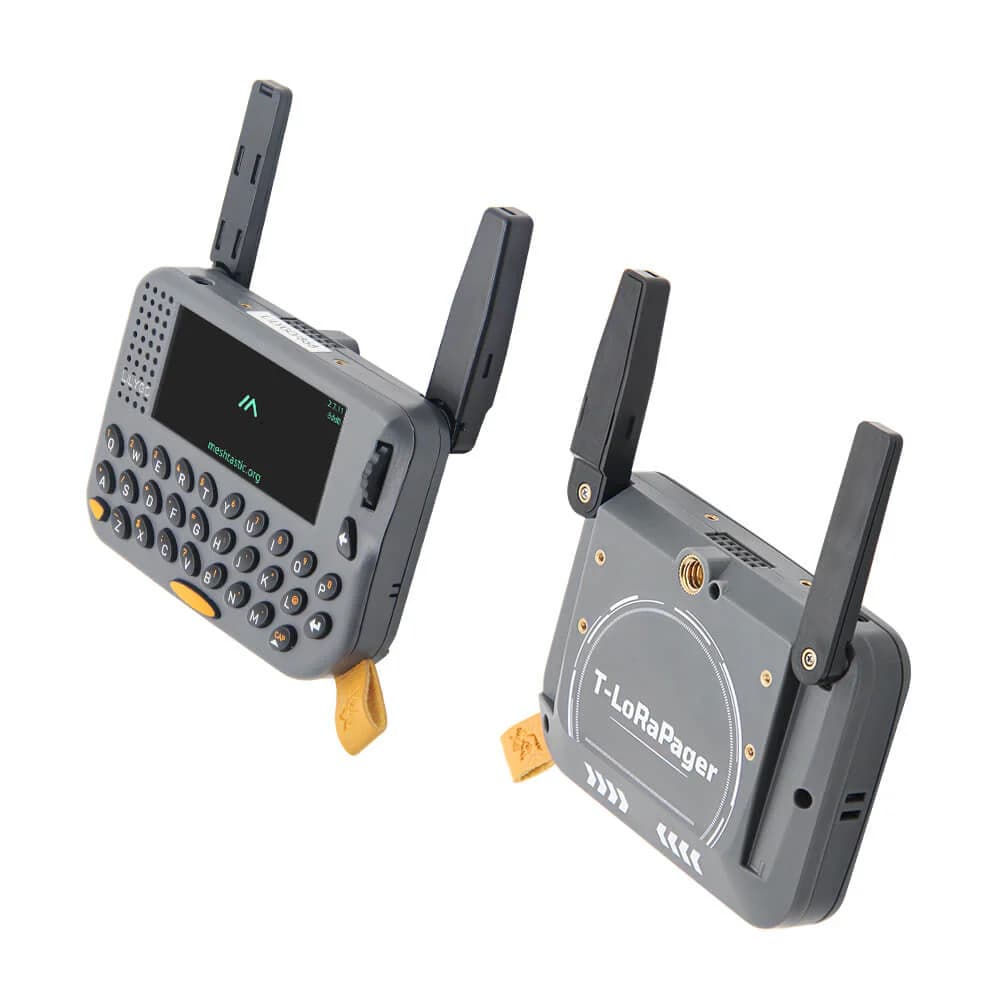
The LILYGO T-Lora Pager pushes Meshtastic in a different direction: a pocketable node with a full QWERTY keyboard, a 2.33-inch color display and a foldable external antenna. Instead of leaning on a phone for every message, the pager-style layout is meant to make short off-grid exchanges faster and less awkward in the field.
That hardware mix matters because Meshtastic is built as an open-source, off-grid, decentralized mesh network that runs on affordable, low-power devices with no cell towers and no internet. Meshtastic’s hardware documentation places the T-Lora Pager inside its LILYGO device section, alongside the broader rule that all supported boards can run Meshtastic and mesh with each other. In practice, that means the pager is not a separate island. It is another endpoint that can join the same mesh as other supported boards.
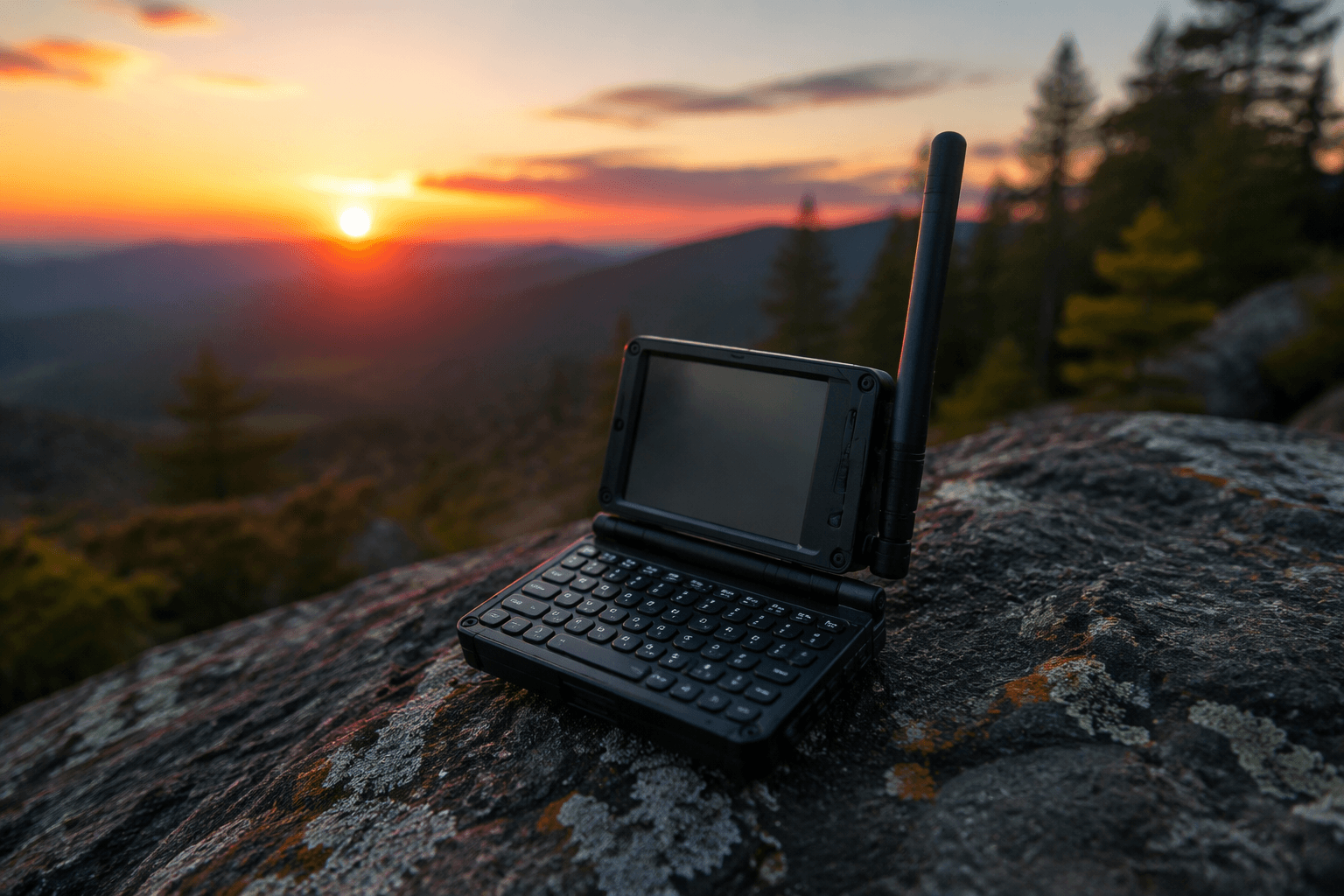
The tradeoff shows up in the chipset choice. Meshtastic’s supported-hardware overview says nRF52-based devices generally use less power and are preferred for solar and handset applications, while ESP32-based devices draw more power but are usually lower-cost and flexible development platforms. The T-Lora Pager uses an ESP32-S3, so it sits on the more capable, more power-hungry side of that divide. For users weighing battery life against usability, the keyboard and color screen are the draw, not the lowest possible consumption.
That usability angle is where the pager form factor stands out. A full keyboard cuts message-entry friction, the small screen keeps basic navigation local to the device, and the external antenna suggests the design expects real movement and not just desk use. Built-in GPS, NFC/RFID, audio, IMU and power-management features also make it look more like a self-contained field node than a bare board waiting for add-ons. For hikers, event crews, preparedness users and anyone who wants a standalone handheld instead of a phone-tethered radio, those parts do more than fill a spec sheet.
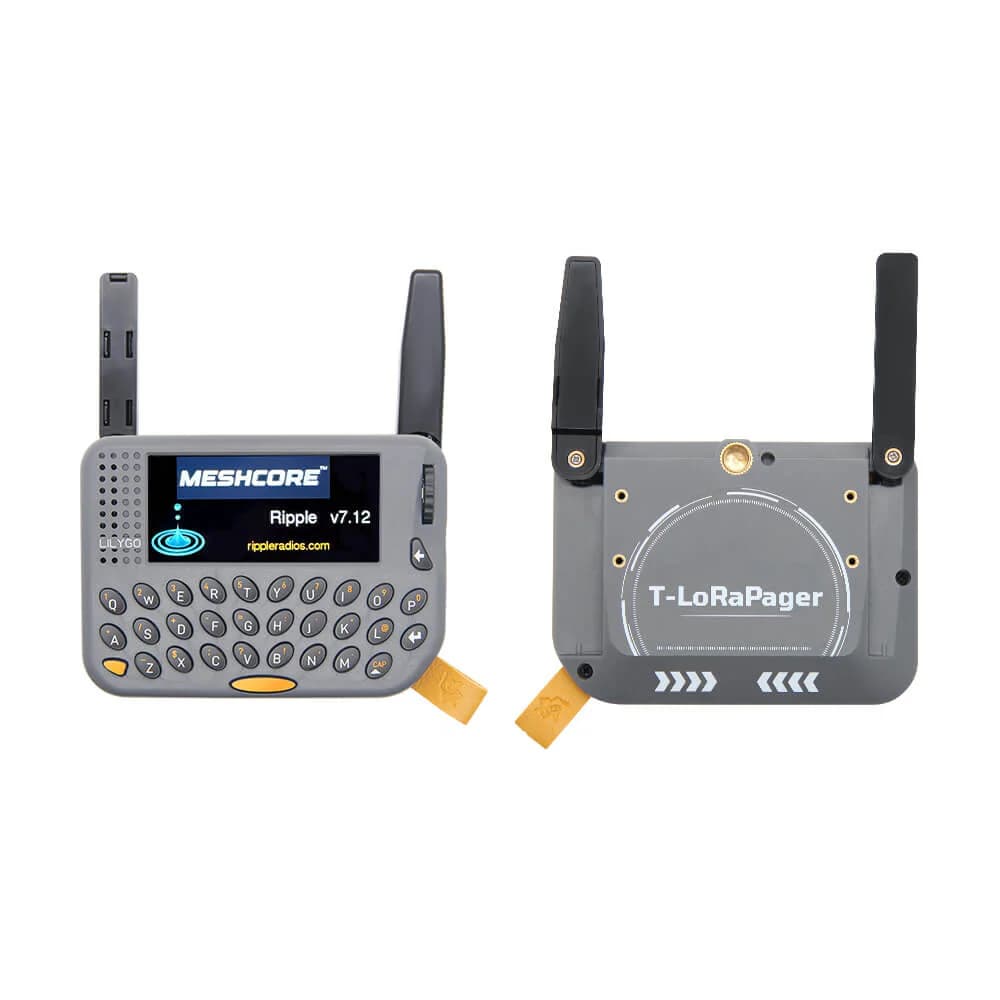
The wider hardware picture is still evolving. Meshtastic also keeps a community-supported category for devices outside the core list, and Rokland lists the T-Lora Pager as not currently supported in Meshtastic while saying it is supported in ChatterBox. A Reddit post in r/meshtastic dated 2025-05-16 put the pager in front of the community early, and its appeal is clear enough: this is Meshtastic hardware designed around typing first, not tapping around a separate app.
This article was produced by Prism’s automated news system from verified source data, official records, and press releases, then run through automated quality and moderation checks before publishing. The system is built and supervised by the people who set the standards it runs under. Read our full AI policy.
Did this article answer your question?