M5Stack unveils compact solar Meshtastic gateway for off-grid telemetry
A palm-sized C6L gateway paired Meshtastic with Wi-Fi and MQTT, so solar nodes can feed remote dashboards without a nearby base station.

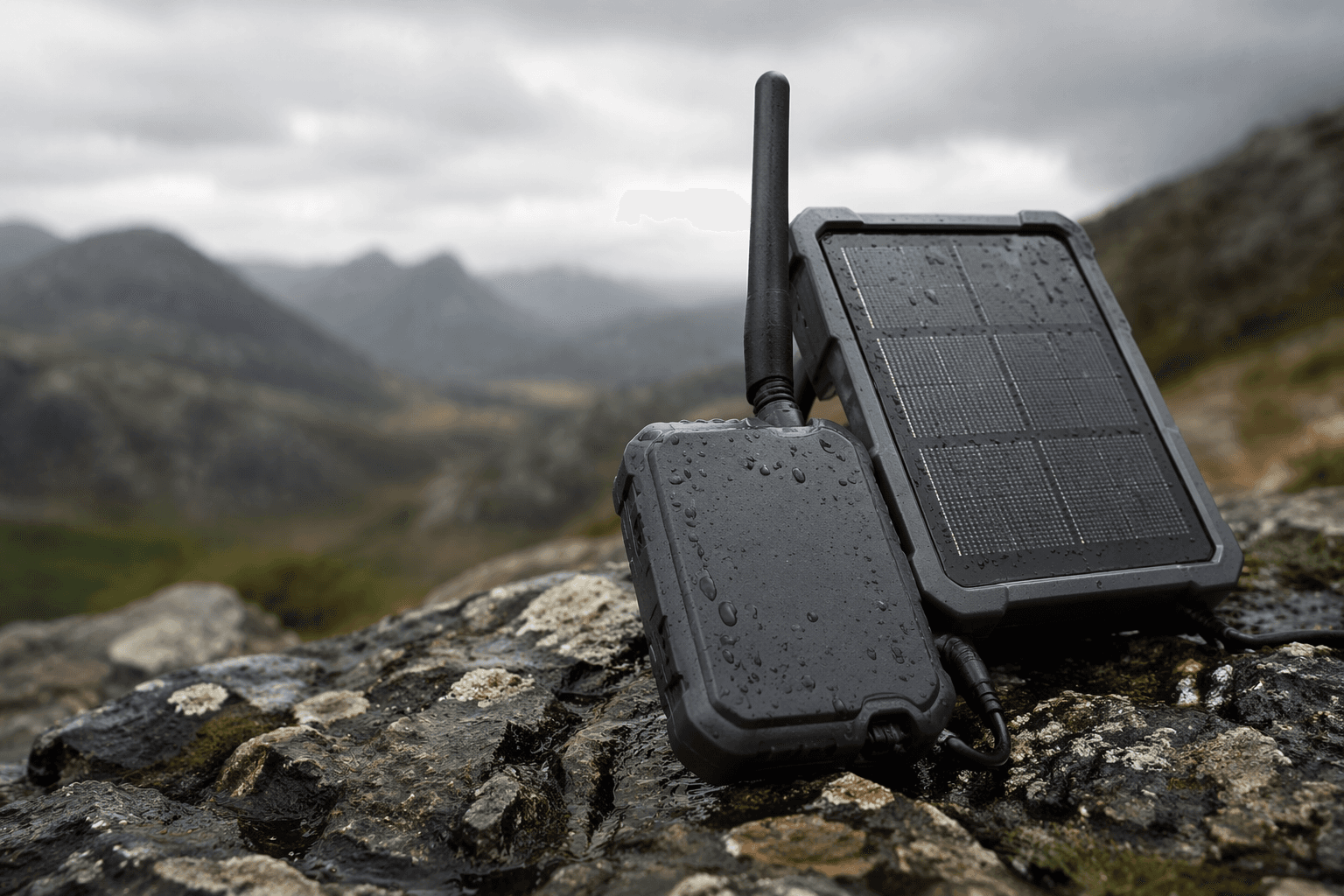
M5Stack’s compact solar Meshtastic gateway was built for the jobs a normal node cannot finish on its own: keeping a remote mesh online, pushing packets into a telemetry dashboard, and doing it from a site that may only have a panel, an 18650 battery, and a weak internet backhaul. The setup bridges LoRa traffic to Wi-Fi and MQTT, which makes it useful for unattended sensors, outdoor monitoring, and other deployments where power autonomy matters as much as radio range.
At the center of the package is the Unit C6L, an ESP32-C6 board with an SX1262 LoRa transceiver and built-in Wi-Fi 6. M5Stack says it is aimed at remote monitoring, outdoor exploration, and emergency communication, and the hardware reflects that brief: a 0.66-inch OLED, programmable RGB indicator, buzzer, user button, and dual RP-SMA antenna interfaces sit inside a body that measures 62.0 by 24.0 by 8.0 mm, excluding antennas. The C6L version sold for Meshtastic operates in the 868 to 923 MHz LoRa range, which puts it in the band many field deployments already use.
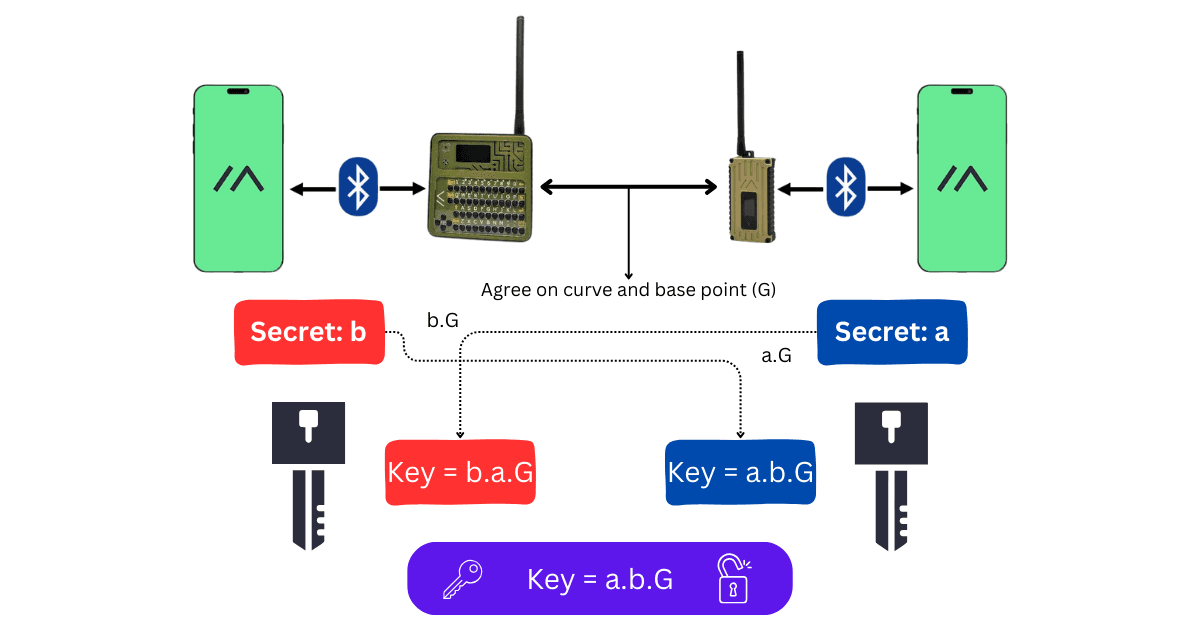
The network side is where the gateway becomes more than another node. Meshtastic’s MQTT module lets a node publish mesh packets to an MQTT broker and, if configured, subscribe so remote nodes can inject packets back into the local mesh. That turns the radio side into a bridge for remote telemetry, but it also changes the risk profile. Meshtastic warns that public MQTT can expose node locations to the internet, and it says users should test settings before sending hardware into hard-to-reach locations.
That caution became more concrete when Meshtastic changed its project-hosted MQTT broker on August 24, 2024, blocking subscriptions to all topics in the name of network stability and privacy. The project still offers a public MQTT server, but the restriction makes the case for local or self-hosted gateways even clearer when the goal is to keep data flowing without handing every packet to a public relay.

M5Stack has also documented flashing the Unit C6L through the official Meshtastic web flasher, which lowers the barrier for putting the board into service quickly. The device fits neatly into M5Stack’s 2025 LoRa push around off-grid Meshtastic gear for makers, outdoor users, and developers, but the real appeal is narrower and more practical: one compact box that can stay alive on solar power while moving mesh data from a field site to the internet and back again.
This article was produced by Prism’s automated news system from verified source data, official records, and press releases, then run through automated quality and moderation checks before publishing. The system is built and supervised by the people who set the standards it runs under. Read our full AI policy.
Did this article answer your question?