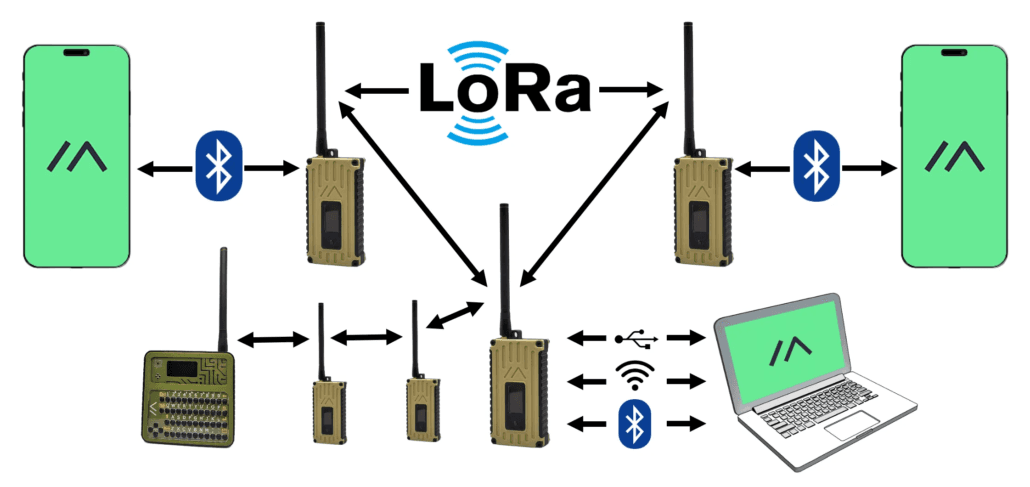
Meshtastic adds desktop network-management client for large mesh deployments
Meshtastic’s new desktop client aimed squarely at bigger meshes, with offline analysis across USB, IP and Bluetooth to expose bad routes and dead spots.
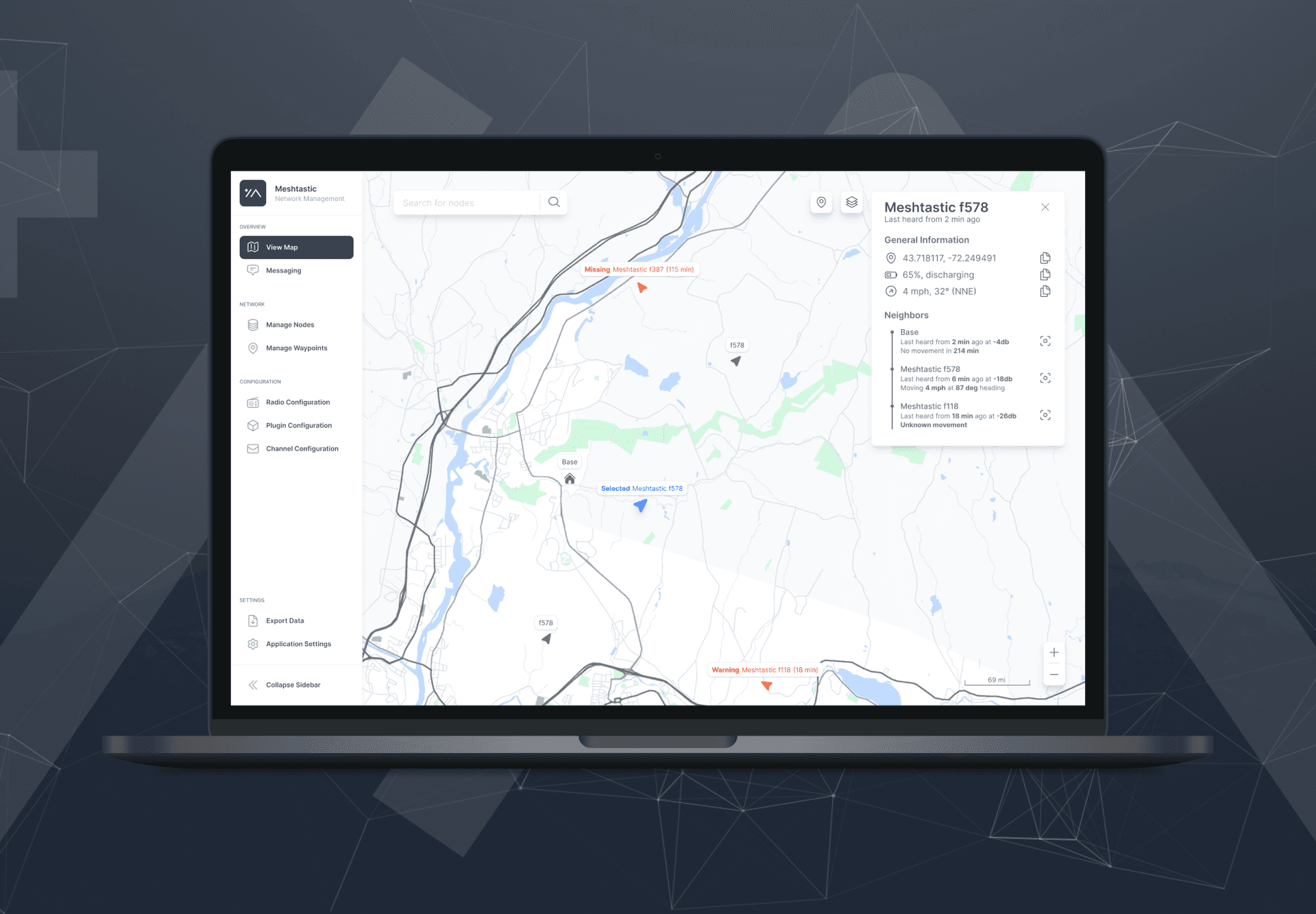
Meshtastic added a network-management-client project that looks built for the moment a hobby mesh stops being a handful of nodes and starts acting like infrastructure. The desktop client is meant to manage large, decentralized deployments over USB, IP and Bluetooth on Windows, MacOS and Linux, giving operators a higher-level view than the usual one-radio-at-a-time workflow.
That shift matters because Meshtastic’s current toolchain is still strongest at device-level interaction. The new project is framed around reliable management and algorithmic analysis, with connection-level insight designed to answer the questions operators actually wrestle with in the field: which nodes are talking, where the bottlenecks sit, whether a dead spot is really a placement problem or a routing mistake, and how much of the pain is coming from configuration instead of RF. The repository is written in Rust and TypeScript, and GitHub shows 1,282 commits, 431 stars and 42 forks, signs that this is a working engineering effort rather than a sketch on the side.
The release page for version 0.4.0 focused on Bluetooth connection support for Meshtastic nodes, a useful clue that the team is already testing real-world operator workflows, not just drawing mockups. That Bluetooth angle fits neatly into the rest of the stack. Meshtastic already supports Bluetooth configuration through Android, Apple, CLI and Web UI workflows, so the desktop client is joining an ecosystem that already expects multiple ways to reach a radio instead of forcing everyone through one app.
The timing also makes sense because Meshtastic itself has outgrown the “small weekend project” phase. The project describes itself as an open source, off-grid, decentralized mesh built on affordable, low-power devices with no cell towers and no internet. Its main site says it has 100+ community supported devices, 1,800+ code contributors worldwide, 26 LoRa regions and 39 available languages. At that scale, network visibility stops being a nice extra and becomes the difference between guessing and knowing.
Meshtastic’s own configuration guidance underlines the problem. It strongly recommends keeping most nodes in CLIENT, CLIENT_MUTE or CLIENT_BASE roles, and warns that unnecessary ROUTER or REPEATER use can increase packet collisions, reduce delivery rates and waste hops. A desktop network-management client could make those tradeoffs visible instead of buried in scattered node settings, especially for operators trying to keep a mesh healthy across many radios and many users.
The broader GitHub setup points in the same direction. Meshtastic says it manages 100+ repositories and uses GitHub Actions across firmware, web, Android, Python and OpenWrt projects. The network-management-client now looks like the missing layer between the radio on the desk and the mesh in the wild, which is exactly where Meshtastic’s next stage of growth had to land.
This article was produced by Prism’s automated news system from verified source data, official records, and press releases, then run through automated quality and moderation checks before publishing. The system is built and supervised by the people who set the standards it runs under. Read our full AI policy.
Did this article answer your question?