Meshtastic adds Greek community group as docs overhaul continues
Meshtastic’s docs now list a Greek community group as maintainers keep tightening install guides, terminology, and the local-groups directory.
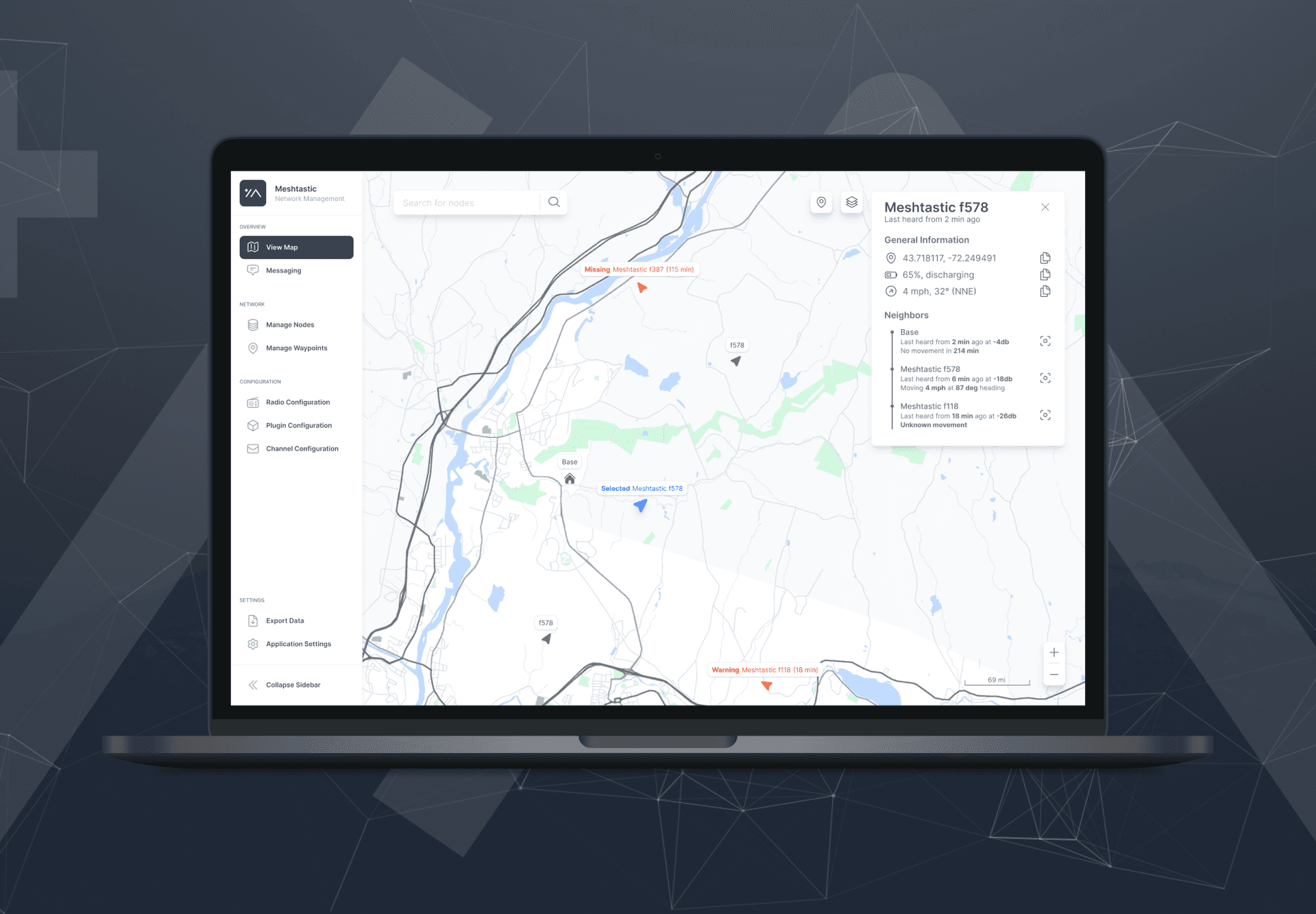
Meshtastic’s documentation work kept moving on May 7 with a new addition to the local-groups page: a Greek community group, another sign that the project is treating discoverability as part of the network itself. The newest commit on the GitHub repository landed yesterday, and it sat alongside a broader round of edits that are reshaping how new users, installers, and local organizers move through the project’s docs.
That wider cleanup has touched several corners of the site. The blog area recently split installation tabs into separate sub-pages, the Linux material was renamed to meshtasticd, and the static site picked up an explainer on the Meshtastic Chirp and Packet. Taken together, those changes make the project easier to approach for people who are still figuring out what Meshtastic is, what runs where, and what is happening on the air at the RF layer instead of treating the mesh like a black box.
The Greek group entry matters because local-groups is not just a directory, it is a map of how Meshtastic grows in practice. The page says organizers can request inclusion by editing it directly or contacting the team on Discord, and its submission rules require trademark compliance, bar branding that suggests official sponsorship, and require Discord invite links to never expire. That keeps the list open to community builders while still setting clear boundaries around naming and branding.
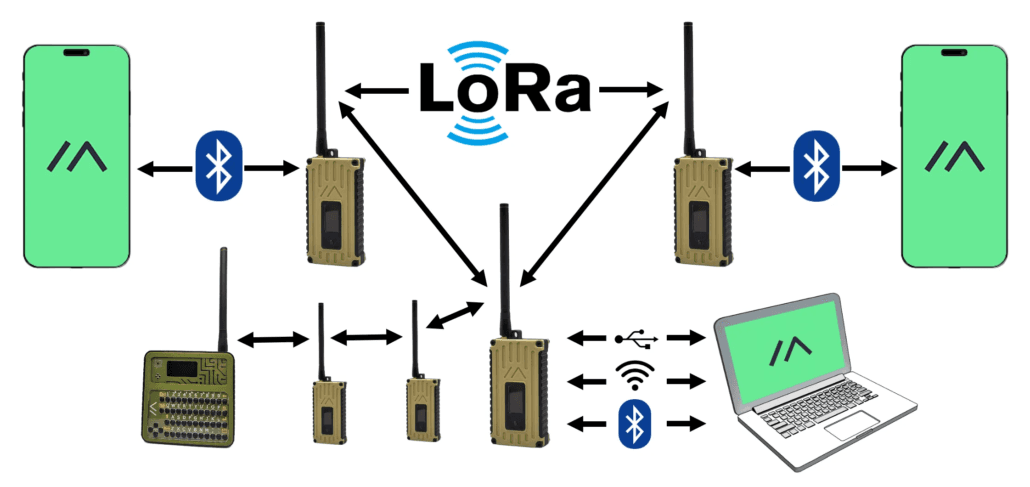
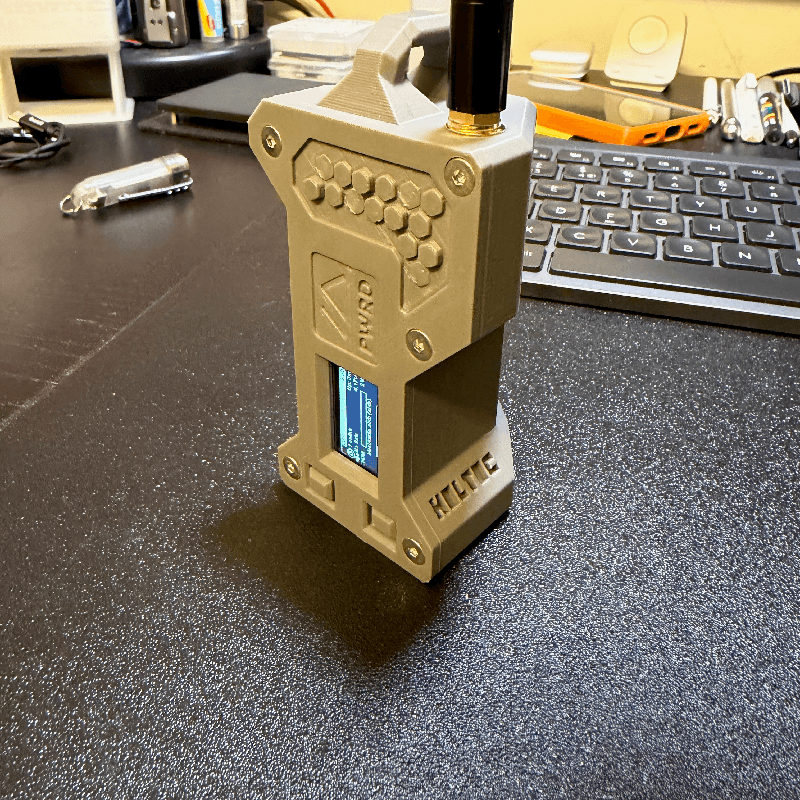
Meshtastic describes itself as an open-source, off-grid, decentralized mesh network built to run on affordable, low-power devices, with the promise of "No cell towers. No internet. Just pure peer-to-peer connectivity." The project says its GitHub organization now manages 100+ repositories and uses GitHub Actions across firmware, web, Android, Python, and OpenWrt work. Its introduction page also calls the project "100% community driven and open source" and cites a long-range record of 331 km, credited to MartinR7 and alleg.
The documentation updates also show the project refining its technical language as the stack evolves. The meshtasticd page says the native binary runs on SPI or USB radios on MacOS and Linux, supports LoRa or UDP interactions, and is aimed at always-on base stations, gateways, MQTT bridges, home automation integrations, and remote monitoring nodes. Elsewhere, Meshtastic advises most users to stay with CLIENT, CLIENT_MUTE, or CLIENT_BASE roles, warning that unnecessary ROUTER or REPEATER use can increase collisions and reduce delivery rates.
This is why the Greek addition lands as more than a simple directory edit. Local-groups history already shows earlier additions for Kaliningrad and a Russian local group, while a Malta issue described a national rollout that had already tested range to southern Sicily. Meshtastic’s docs are increasingly doing double duty: they explain the software, and they help stitch together the regional communities that make the mesh useful in the first place.
This article was produced by Prism’s automated news system from verified source data, official records, and press releases, then run through automated quality and moderation checks before publishing. The system is built and supervised by the people who set the standards it runs under. Read our full AI policy.
Did this article answer your question?