Meshtastic adds RAK WisMesh Repeater Mini V2, including high-power variant
Meshtastic firmware PR #10918 moved the Repeater Mini V2 and HP variants toward support, including a 30 dBm option built for off-grid repeaters.

Meshtastic firmware pull request #10918 opened July 10 to add support for the RAK WisMesh Repeater Mini V2 and HP variants, putting one of the ecosystem’s most deployment-ready devices one step closer to official compatibility. The move matters because this is not a handheld node chasing range on paper; it is hardware aimed at fixed coverage, solar power, and weatherproof installs that stay alive away from a bench or wall outlet.
RAKwireless positions the WisMesh Repeater Mini V2 as a ready-to-use Meshtastic repeater with two variants: the RAK10722 and the RAK10723 1W. The RAK10722 is listed at 22 dBm maximum transmit power, while the RAK10723 reaches 30 dBm. That higher-power model is the clearest fit for the “HP” label in the firmware pull request, and it points to a practical split in the field: lower-power mini repeaters for lighter-duty relays, and the 1W version for tougher coverage gaps where every decibel counts.
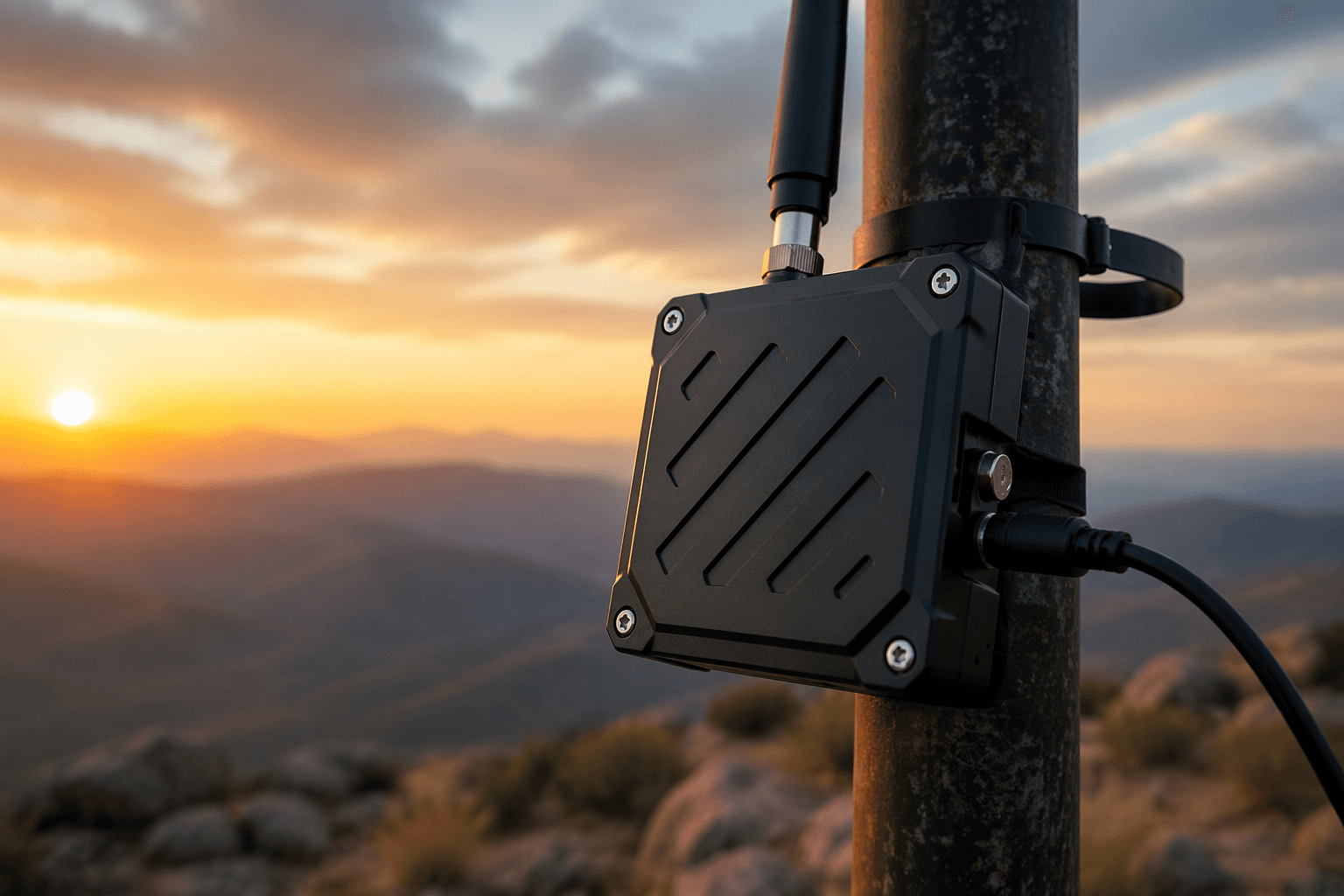
The hardware stack is built for deployment, not tinkering. RAK says the Mini V2 ships fully assembled with the battery already connected, uses a 3,200 mAh battery, and comes in an Unify Enclosure with Solar Panel. It is also set to deep sleep during transport so the internal battery does not drain before it reaches the field. When it is time to bring it online, connecting it to a computer over USB wakes it automatically. RAK also says the RAK10722 can take GPS as an optional accessory, while the RAK10723 leaves GPS out to preserve battery life, a tradeoff that will matter to operators choosing between positioning features and longer unattended runtime.
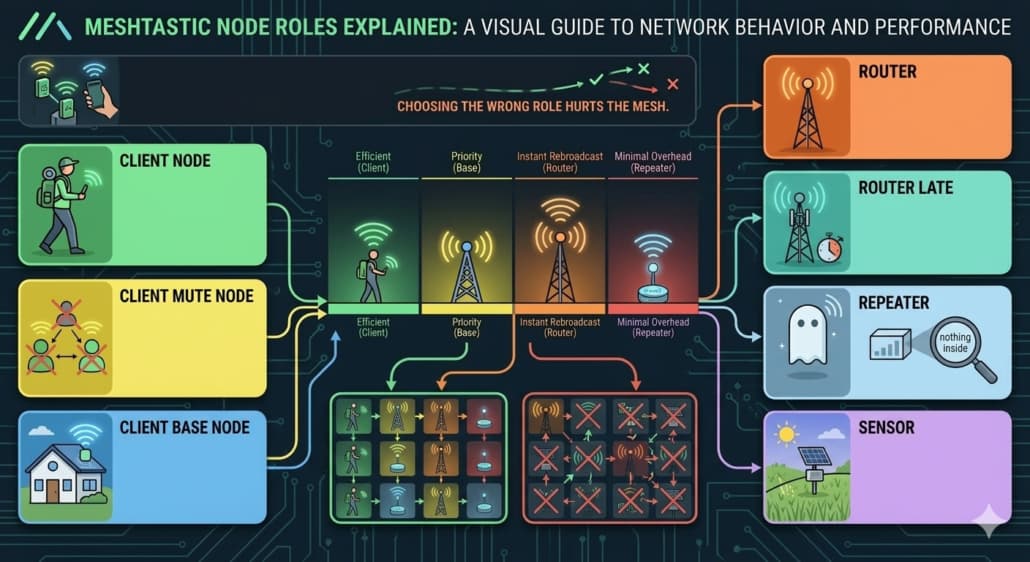
Meshtastic has described the WisMesh Repeater series as solar-powered, outdoor-oriented hardware for off-grid communication, and that is exactly where this support lands in practice. Fixed nodes on rooftops, remote trail relays, and higher-power backhaul points all benefit when the software keeps pace with the enclosure, battery, and power profile. Meshtastic’s broader project still centers on an open-source, decentralized mesh built around affordable, low-power devices, so hardware like this only becomes useful when firmware support is solid enough to keep setup simple and recovery predictable.
That is why the Mini V2’s path matters beyond the PR itself. A battery-reading issue filed against an earlier WisMesh Mini Repeater build showed how quickly power telemetry can become a real-world problem, especially on nodes meant to sit unattended. The new support is the bridge between a promising piece of hardware and something operators can actually trust in a roof install, a trail box, or any other mesh node that has to stay up when conditions are bad.
This article was produced by Prism’s automated news system from verified source data, official records, and press releases, then run through automated quality and moderation checks before publishing. The system is built and supervised by the people who set the standards it runs under. Read our full AI policy.
Did this article answer your question?