Meshtastic adds support for Seeed Wio Tracker L2 node
Meshtastic’s new Wio Tracker L2 target lands beside a low-power Seeed family built around nRF52840, GPS, and display options that field users already know.

Meshtastic opened pull request #10909 on GitHub on July 10, 2026, adding support for the Seeed Wio Tracker L2. That is more than a routine hardware add, because Meshtastic describes itself as an open-source, off-grid, decentralized mesh network built for affordable, low-power devices, and every new target widens the pool of boards that can be flashed, carried, and trusted outside cell coverage.
The L2 lands next to a family that already has a clear field identity. Seeed’s Wio Tracker L1 line is built around an nRF52840 MCU, LoRa in the 862–930 MHz range, and an L76K GPS module, with display options that include OLED and E-Ink. The family is split into multiple variants, including L1, L1 Lite, L1 E-Ink, and L1 Pro, which points to a product strategy built around different roles in the field rather than one universal board. Seeed currently lists the base Wio Tracker L1 at $33.99.
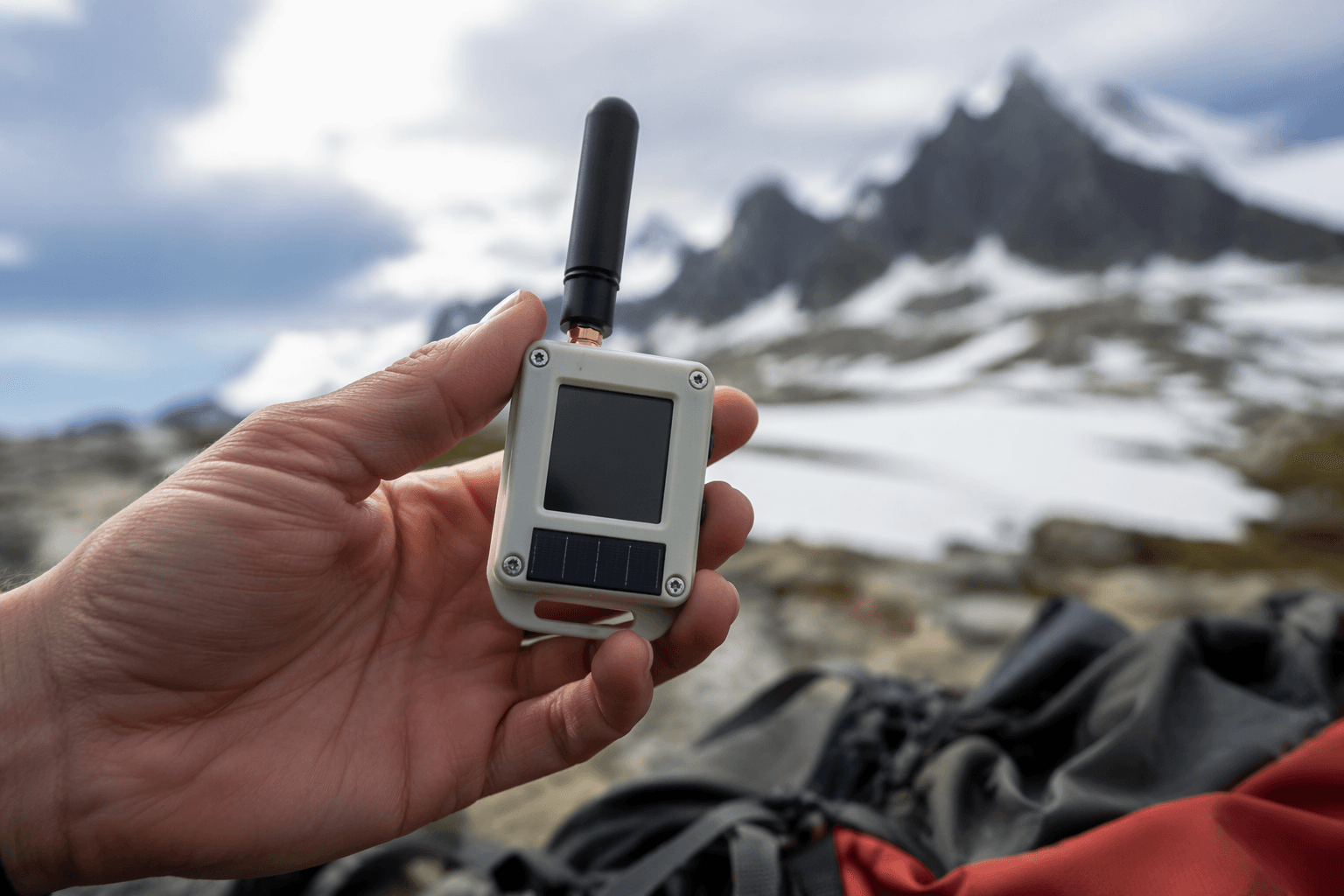
That matters because the company has already been selling the line as ready-to-use Meshtastic gear. Seeed describes the Wio Tracker L1 Pro as a fully integrated Meshtastic device with an OLED display, a rechargeable battery, and a durable enclosure. In a hobby where a node often only makes it into a pack if setup is quick and the battery story is simple, that kind of packaging is as important as the radio spec sheet.
The commercial backdrop is already in place too. On May 15, 2026, Seeed published a roundup naming the Wio Tracker L1 Pro one of its best Meshtastic tracker options and calling the L1 family one of its most extensible Meshtastic hardware platforms. Seeed also publishes a Meshtastic source code tutorial that shows users how to build and flash the seeed_wio_tracker_L1 target, and Meshtastic bootloader documentation already includes a Seeed Tracker 1000-E package. The L2 support therefore arrives inside an existing Seeed-Meshtastic workflow, not as a one-off experiment.
Before adopting the L2 in the field, verify the exact target name in your firmware workflow, the bootloader path you plan to use, and whether the board’s GPS, display, and radio band line up with the job you want it to do. The real value of this kind of support shows up when a tracker gets flashed cleanly, powers up fast, and keeps working without turning into bench clutter.
This article was produced by Prism’s automated news system from verified source data, official records, and press releases, then run through automated quality and moderation checks before publishing. The system is built and supervised by the people who set the standards it runs under. Read our full AI policy.
Did this article answer your question?