Meshtastic Android patch fixes MQTT, TLS, and BLE reliability
A small Android patch fixed empty MQTT addresses, forced TLS on the default server, and steadied BLE scans, the kind of cleanup that cuts field fuss.

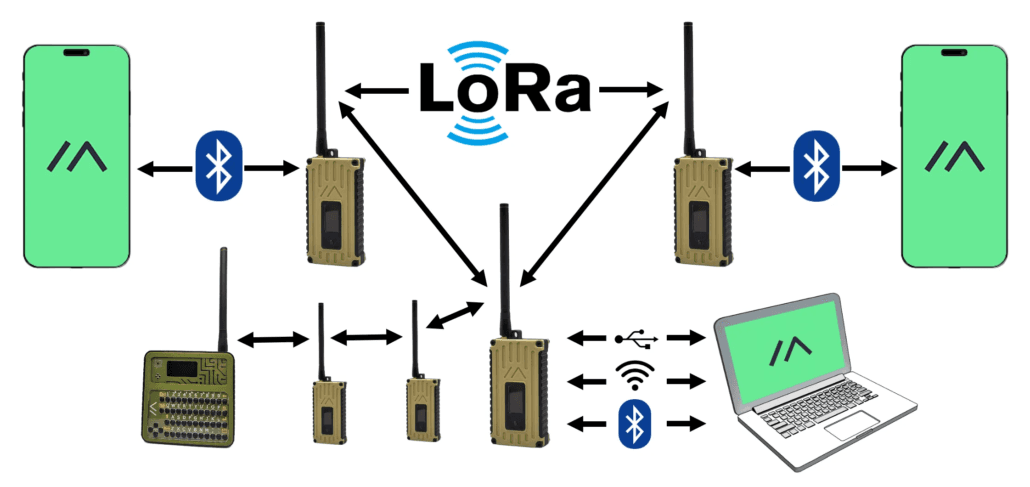
The least glamorous lines in Meshtastic often matter the most, and this Android patch was built around that reality. A May 2 GitHub update for meshtastic/Meshtastic-Android introduced internal build v2.7.14-internal.79 and called out three fixes that real users will feel: an empty MQTT address repair, TLS enforcement on the default server, and better BLE scan reliability with cleaner UI lifecycle handling. For anyone using Android as the command center for nodes, that means fewer dead ends when connecting, fewer surprise message failures, and less time babysitting the app in the field.
The MQTT changes line up with how Meshtastic already works. The project’s MQTT configuration docs say the server address is optional, and if nothing is set, the default public server is used. They also say TLS can be enabled for a secure connection. That matters because Meshtastic’s public MQTT service is meant to be usable, but it also carries restrictions to keep the network stable. When the app gets the defaults wrong, the whole bridge from LoRa packet to internet transport gets brittle.
A fresh GitHub issue filed on May 2 put a real-world edge on the problem. A user reported that MQTT connections without TLS were failing on v2.7.14-open.3, while v2.7.14-open.1 had worked. The reproduction path was specific: use the client proxy, disable LoRa TX, then try to send a message. It failed. That issue was later closed as completed in connection with fix #5333, which makes the patch feel less like housekeeping and more like a correction to a core workflow.
The release cadence shows how quickly the branch kept moving. GitHub’s releases page ties v2.7.14-open.5 to internal.82, v2.7.14-open.6 to internal.83, and v2.7.14-open.7 to internal.86, all appearing over just a few days in early May. That pace suggests the Android client is being hammered into shape around reliability rather than cosmetic polish.
BLE got the same kind of attention. Meshtastic-Android’s BLE module is built on the Kable multiplatform BLE library, which the project describes as the basis for coroutine-based BLE communication across Android, Desktop, and future iOS support. That makes scan reliability and UI lifecycle fixes especially important, because a bug there does not just affect one screen. It affects the handoff between the phone, the node, and the rest of the network.
The patch also showed work on the build pipeline itself, including AI agent context and CI cost controls, with changes to files like .agent_memory/session_context.md, .aiexclude, .copilotignore, AGENTS.md, a guardrail script, and a string-sorting script. Paired with the dependency bump to org.meshtastic:mqtt-client v0.3.2, it points to a broader push: make the app sturdier, make the repo easier to work in, and make Meshtastic more dependable as usage shifts from casual tinkering toward real infrastructure.
This article was produced by Prism’s automated news system from verified source data, official records, and press releases, then run through automated quality and moderation checks before publishing. The system is built and supervised by the people who set the standards it runs under. Read our full AI policy.
Did this article answer your question?