Alibaba clarifies LoRa pager meaning, spotlights Meshtastic-powered offline messaging devices
Alibaba’s LoRa pager explainer strips away pager nostalgia and points straight at Meshtastic-style offline messaging devices.
What a LoRa pager actually means
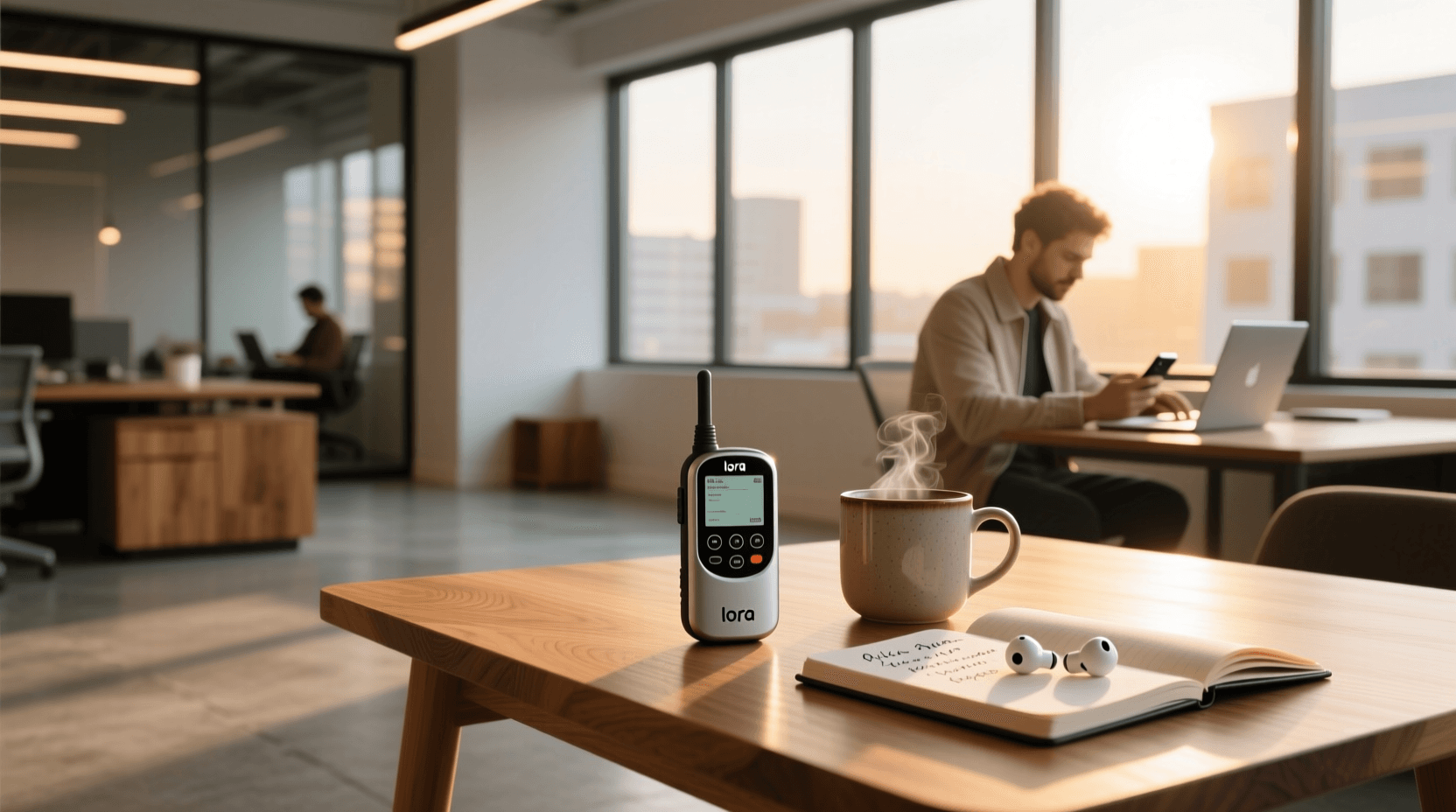
A LoRa pager is not an old pager with a new logo. In Alibaba Electronics’ framing, it is a programmable, offline-capable messaging device built around long-range, low-power LoRa radio, which makes it a fit for short text communication when cellular coverage and internet access are out of reach. That matters because the phrase still sends a lot of people looking for legacy pager service, when the real target is self-deployed, decentralized messaging hardware.
The practical appeal is simple: no carrier subscription, no monthly fee, and no dependence on outside infrastructure for basic operation. These devices are usually optimized for very short messages, often up to 240 bytes, so the selling point is not speed, rich media, or app-store polish. It is predictable, low-bandwidth, energy-efficient communication that you control yourself.
Where Meshtastic fits in
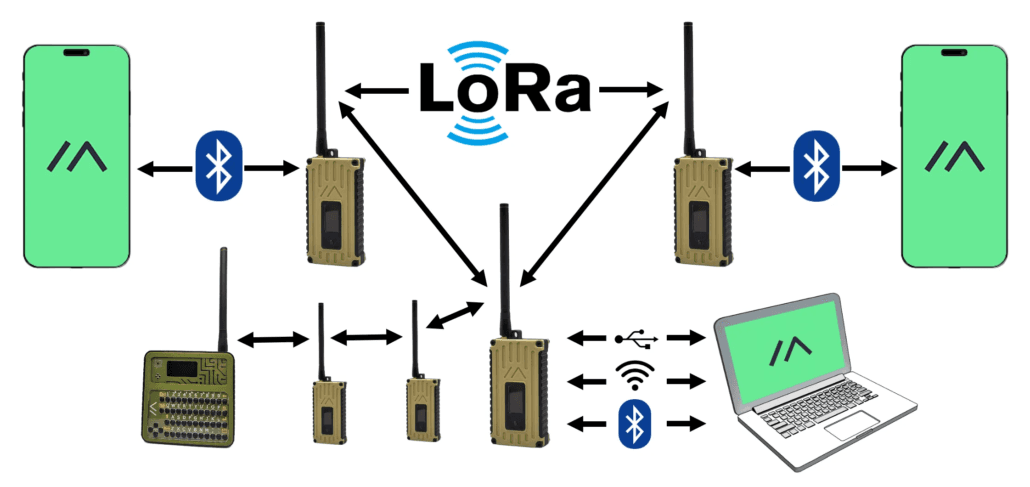
Meshtastic is the clearest real-world example of what this category has become. It describes itself as an open source, off-grid, decentralized mesh network built to run on affordable, low-power devices, with no cell towers and no internet required. That puts it squarely in the world Alibaba is describing: user-managed radio terminals that live inside private ISM bands and behave according to the firmware you flash onto them.
The project’s pitch is broader than “radio chat.” Meshtastic emphasizes encrypted communication, excellent battery life, optional GPS-based location features, and a long-range record of 331 km attributed to MartinR7 and alleg. It also notes that use without a radio operator license is possible in many regions, while still offering a licensed-ham mode for operators who want that path.
For newcomers, the key mental shift is this: Meshtastic is not a phone replacement and it is not a centralized paging system. It is a community-driven mesh layer that turns cheap hardware into a long-range text network, and that is why it keeps showing up whenever people start talking about LoRa pagers.
Why the firmware matters more than the badge on the case
These devices are firmware-defined from top to bottom, which is why the same slab of hardware can feel useful, awkward, or brilliant depending on what you flash onto it. Meshtastic’s own protocol docs make that plain: text messages ride in LoRa chirps, and message payloads are encoded with protobuf types. That is a very different model from a disposable gadget that only does one thing.
The device API is equally revealing. Meshtastic’s client stack is built around a simple stream of ToRadio and FromRadio packets, and it can talk to external clients over serial, TCP, or BLE. In other words, the “pager” is really a software endpoint that happens to use radio, which explains why configuration, companion apps, and message formats matter so much.
Radio settings also shape the experience in a big way. Meshtastic exposes region, transmit power, bandwidth, spread factor, coding rate, and duty-cycle overrides, which means the network can be tuned for range, battery life, or local regulatory needs. The Store & Forward module adds another practical layer: a client can ask a special Store & Forward Server to resend text messages after a device has been out of range, and since firmware version 2.4 it can also provide message history automatically.
The hardware is more capable than the word “pager” suggests
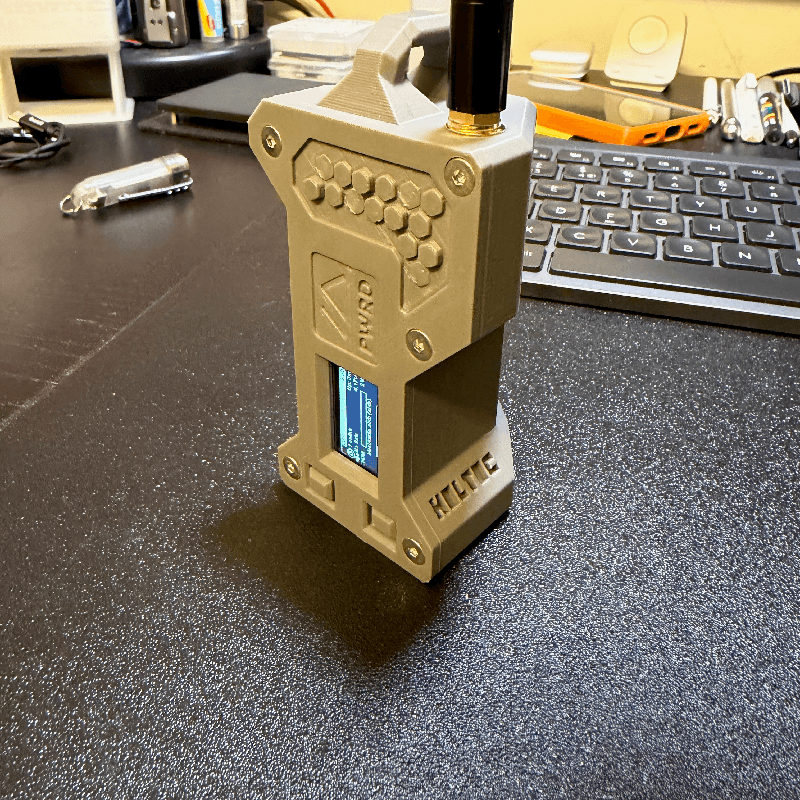
The new wave of LoRa pager devices is built to feel like field gear, not consumer electronics. Alibaba’s guide points to modern hardware such as the LILYGO T-LoRa Pager, which can run open-source firmware like Meshtastic while adding features like GPS, NFC, and mesh networking. That is the shape of the category now: compact, handheld, and software-heavy, with enough hardware to survive actual use outdoors.
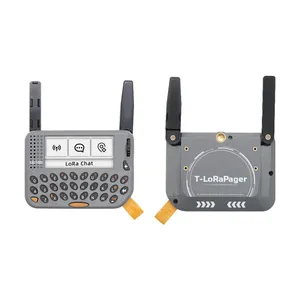
LILYGO’s own T-Lora Pager spec sheet makes the point even more clearly. The device includes an ESP32-S3, a full QWERTY keyboard, a 2.33-inch color display, a foldable external antenna, GPS, NFC/RFID, audio hardware, and an IMU. The LR1121 version supports 868 MHz, 915 MHz, and 2.4 GHz bands, which gives it serious flexibility for different regions and use cases.
The physical design tradeoffs are part of the charm and part of the compromise. These units often favor monochrome or low-resolution color displays, tactile keyboards, rotary encoders, and simple audio feedback because that is what makes them usable in the field, not in a showroom. You are not buying a pocket smartphone substitute here; you are buying a radio terminal that is supposed to keep working when the grid, the network, or your patience does not.
LoRa pager is not LoRaWAN
This is where a lot of confusion starts, because LoRa and LoRaWAN are related but not interchangeable. The LoRa Alliance defines LoRaWAN as a low-power wide-area architecture for battery-operated devices, with support for private, public, and hybrid networks. That is the IoT world: structured network architecture, managed connectivity, and devices that are often part of a broader system.
Meshtastic uses LoRa radios, but it is not a LoRaWAN stack. It is an off-grid mesh system designed for direct, decentralized messaging, which is why it fits hikers, preppers, radio amateurs, and IoT developers who want short text communication without relying on a carrier or an internet gateway. If you go in expecting LoRaWAN behavior, you will miss what makes Meshtastic different.
What to look for before you buy
If you are shopping in this category, the brand name matters less than the software and the radio behavior. The best devices are the ones that match your firmware choice, your region, and the way you actually plan to send messages in the real world.
- Firmware support first: make sure the device is well supported by Meshtastic or whatever open-source stack you want to run.
- Radio fit second: check the band support, especially if you need 868 MHz, 915 MHz, or 2.4 GHz, and confirm the device matches your local region.
- Usability third: a QWERTY keyboard, a readable display, and usable audio feedback matter more than spec-sheet novelty when you are typing outside.
- Field features last: GPS, NFC/RFID, an IMU, and a foldable antenna are useful only if they fit your actual workflow.
The cleanest way to think about the category is this: a LoRa pager is not a relic and it is not a phone. It is a firmware-driven radio terminal, and Meshtastic is the project that most clearly shows how far that idea can go when the hardware, software, and user intent all line up.
This article was produced by Prism’s automated news system from verified source data, official records, and press releases, then run through automated quality and moderation checks before publishing. The system is built and supervised by the people who set the standards it runs under. Read our full AI policy.
Did this article answer your question?