Meshtastic emerges as a cheap, off-grid mesh network for ESP32 boards
Meshtastic is the off-grid ESP32 project that actually behaves like a communications tool, not a weekend demo. A cheap LoRa board can move messages without cell service or the internet.

Meshtastic is the rare ESP32 project that feels useful the moment the internet drops
A recent roundup of ESP32 projects that keep working when the internet is unavailable puts Meshtastic in the strongest possible light. Flash Meshtastic onto an ESP32-based LoRa board and you do not get a gimmick, you get a real decentralized messaging system that can move person-to-person traffic without cell towers or internet access.
That is why Meshtastic keeps standing out in maker circles. The ESP32 already brings wireless hardware to the table, but Meshtastic turns that basic ingredient into something practical: a cheap, low-power network built for communication when the usual infrastructure is gone. It is the clearest answer to the question of what an off-grid project should actually do.
How the network works
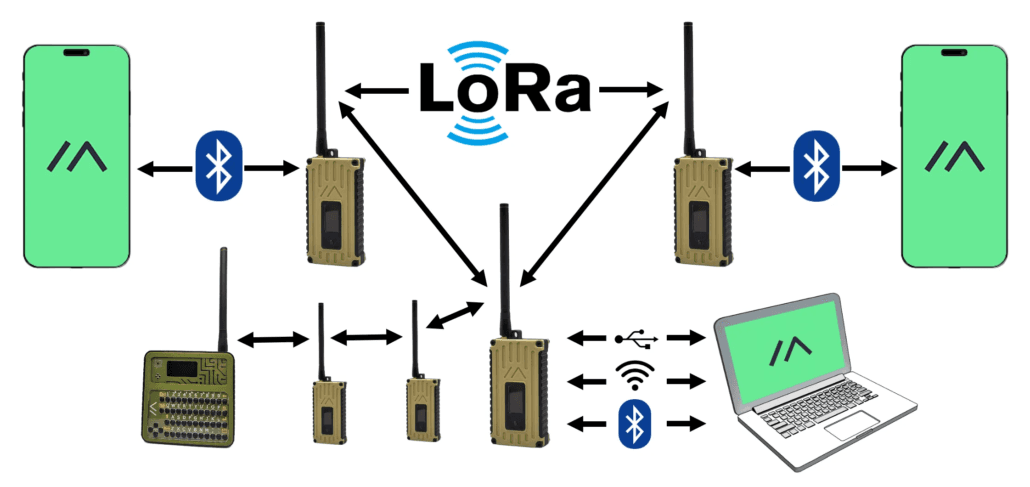
Meshtastic starts with a radio node, usually an ESP32 paired with LoRa hardware. You connect a phone or computer to that node over Bluetooth, USB, or local Wi-Fi, then send messages from the companion app. The radio relays those messages to other nodes, which can pass them along again, so the network grows more useful as more devices join it.
That relay behavior is the whole point. Meshtastic documentation says messages can also be carried through Wi-Fi, Ethernet, or serial connections, and if a packet is not confirmed it can be retransmitted up to three times. In practice, that makes every node a potential repeater, which is why a mesh can stretch farther than a single radio link ever could.
The project’s own description is blunt about the appeal: “No cell towers. No internet. Just pure peer-to-peer connectivity.” That is not marketing fluff, it is the operating model.
What to buy if you want a simple first build
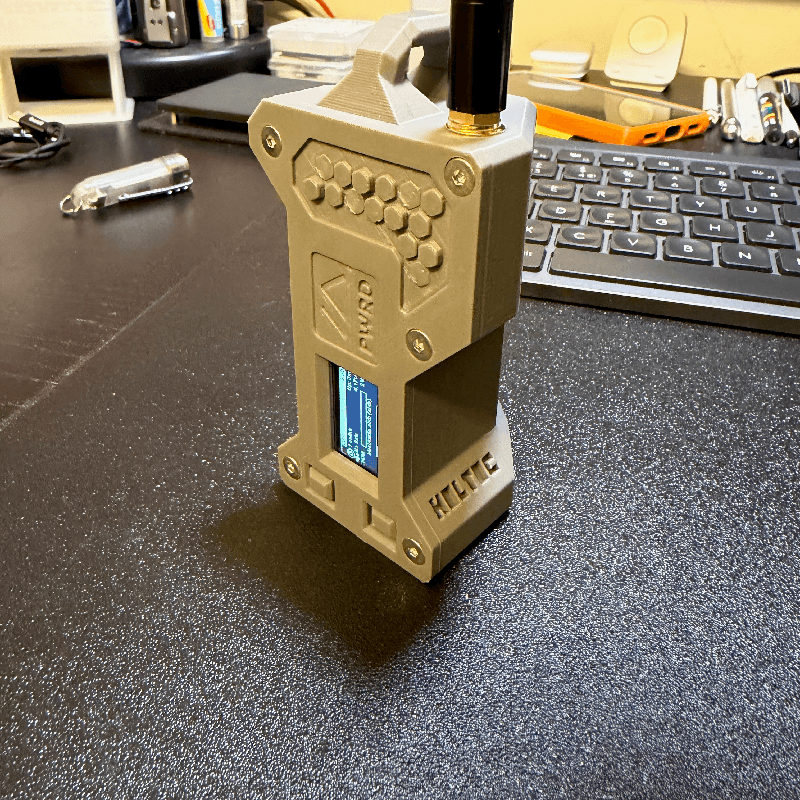
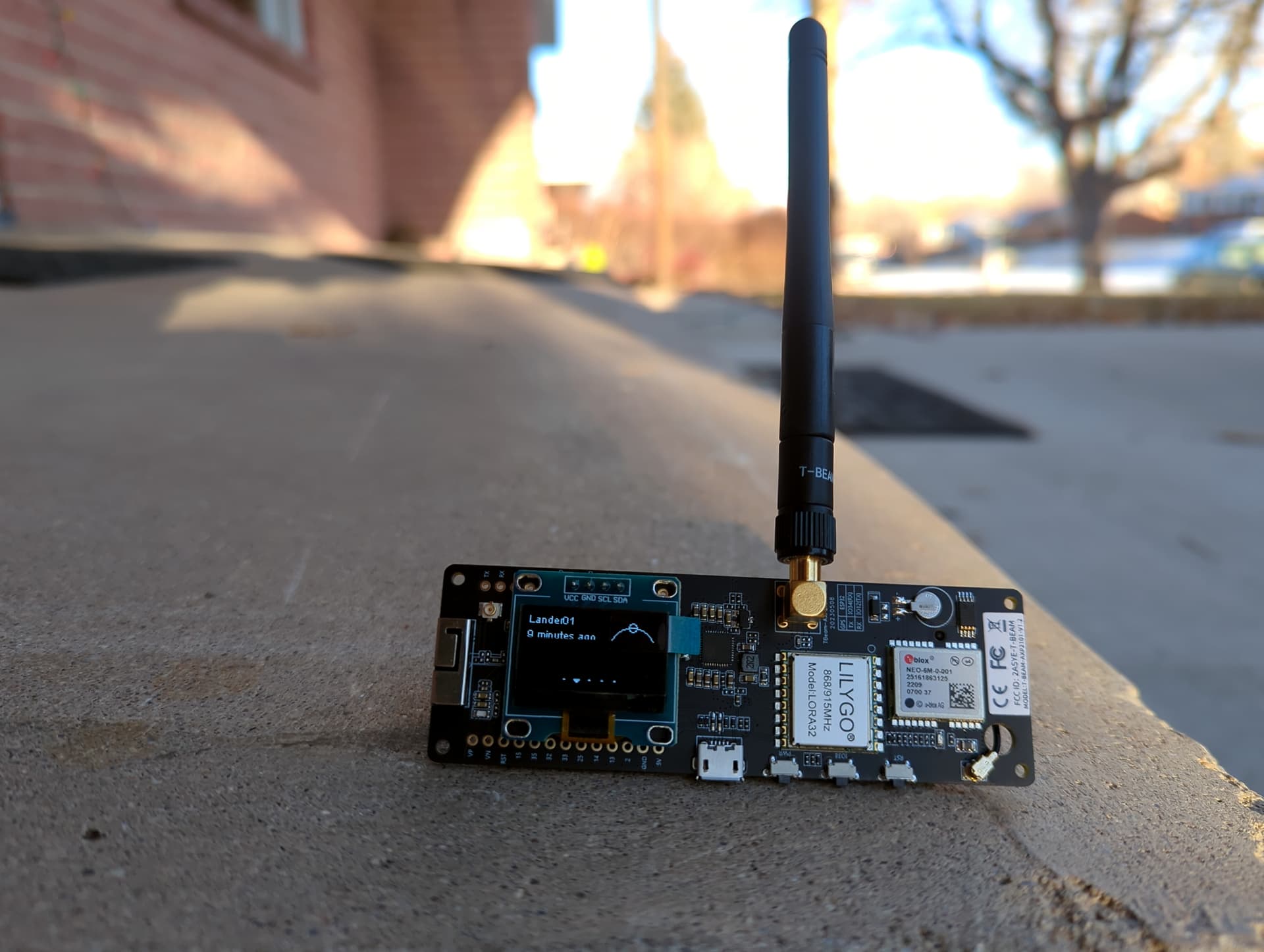
The roundup does a good job of giving you a concrete starting point instead of just hand-waving at the concept. One example it points to is an ESP32 LoRa V3 module board, which comes with a display, an 1100 mAh battery, multiple antennas, and the basic hardware needed to join a local Meshtastic network.
That kind of board matters because it lowers the barrier to entry. You do not need a full custom radio project or a pile of accessories to get started, just a compatible ESP32 board, the Meshtastic firmware, and a way to connect your phone or laptop. For a lot of people, that is the difference between “interesting idea” and “I can actually build this tonight.”
Meshtastic also fits neatly beside other internet-independent ESP32 projects, including simple environmental sensors and ESP-NOW devices. That context matters because it shows Meshtastic is not a one-off radio curiosity. It is part of a bigger off-grid maker ecosystem where cheap hardware is being pushed into useful jobs.
Why Meshtastic is more than an emergency toy
Emergency comms is the obvious use case, but it is not the only one that makes sense. Meshtastic is useful for cheap repeaters, mobile message relays, and private local networks that do not come with a recurring subscription bill. That makes it attractive whether you are building for preparedness, trail use, a community event, or just a controlled local mesh that you own end to end.
Meshtastic itself says it is used in search and rescue, disaster recovery, off-grid communication, and grid-down scenarios. That is exactly where a system like this earns respect, because it solves a boring but critical problem: how to keep messages moving when the infrastructure underneath you is fragile, absent, or overloaded.
The scale of interest is real too. In August 2025, Meshtastic said a DEF CON deployment in Las Vegas produced reports of more than 2,000 individual nodes connected. The same project also notes that an individual node can keep track of around 100 node information entries at a time, which is a useful reminder that growth brings limits along with it.
That DEF CON setup was not a one-off stunt. Meshtastic said it was the second time it had deployed event-specific firmware at the conference, and the first time it worked with event organizers and community groups such as Darknet-NG and the Lonely Hackers Club. That is the kind of detail that separates a proof of concept from a platform people are actually leaning on.
The radio settings matter more than people expect
If you are building one of these, the band you choose matters. In North America, Meshtastic’s default 915 MHz band maps to 902 to 928 MHz, and the LongFast preset provides 104 frequency slots. After a factory reset, the North America default sits on Slot 20, centered at 906.875 MHz.
Europe has its own common choices, with 433 MHz and 868 MHz options. Meshtastic says 868 MHz is generally the most popular band there, which is the kind of practical detail that saves time when you are trying to get a new node talking to the rest of your local mesh.
These settings are not trivia. They decide whether your node behaves like a useful part of the network or a lonely board on the bench. If you are deploying more than one unit, getting the band and preset right is what makes the whole mesh feel effortless instead of temperamental.
The ecosystem around it is bigger than a hobby project
Meshtastic’s documentation makes clear that the project is community-driven and 100% open source, with volunteer-based support. It also offers official Android, Apple, Linux, and web clients, plus local groups and community apps that help people get up to speed faster.
That ecosystem is part of why Meshtastic keeps moving past the core radio hobby crowd. It is easy to see the appeal when a project has real app support, an active community, and a path for people who want help without needing to become radio experts first.
There is also a more formal side to the project now. Meshtastic says Meshtastic Solutions is a separate company created by core contributors to support businesses building on Meshtastic, while the open-source project remains open source and commercial use must follow GPLv3 and trademark rules. That gives the platform a sturdier foundation than the usual one-board, one-forum maker project.
Meshtastic is gaining attention because it answers a very modern question with very old-school practicality: what still works when the network you rely on is gone? In a field full of novelty ESP32 builds, this one already behaves like infrastructure.
This article was produced by Prism’s automated news system from verified source data, official records, and press releases, then run through automated quality and moderation checks before publishing. The system is built and supervised by the people who set the standards it runs under. Read our full AI policy.
Did this article answer your question?