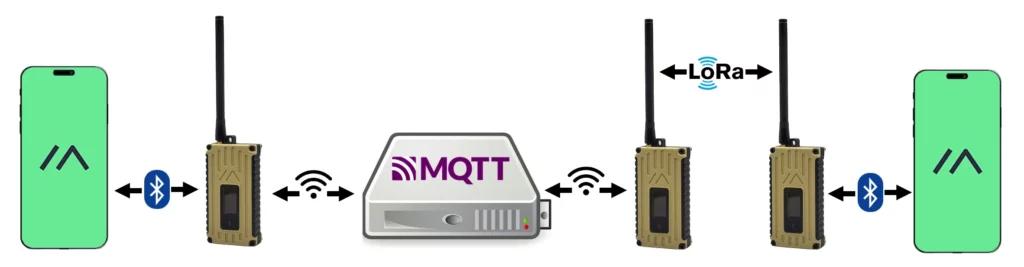
Meshtastic feature request seeks lightning detection with AS3935 sensor
A new Meshtastic request would turn hilltop and rooftop nodes into storm watchers, using the AS3935 to flag lightning up to 40 km away.
A Meshtastic feature request asked for AS3935 lightning detection support, arguing that a node already sitting on a hill, a roof, or some other remote perch could do more than pass text across the mesh. The request was opened on June 24 by lukekoch in meshtastic/firmware, and GitHub tagged it as both enhancement and first-contribution. At the moment, the issue had no comments, which leaves the idea early but visible.
The appeal is practical. The AS3935 is a low-power lightning-sensing chip that monitors the electromagnetic effects of a strike, and the request points to a detection range of up to 40 kilometers. That makes it a better fit for off-grid awareness than a novelty sensor bolted onto a bench project. If Meshtastic is already running on elevated or remote hardware, the same node could keep relaying messages while also warning that a storm is moving into range.
That pitch lands because Meshtastic already treats sensing as part of the platform, not a side quest. Its telemetry module can send device metrics, environment metrics, air-quality metrics, and health metrics over the mesh. The SENSOR device role is built to sleep, wake up, gather environment data, send a telemetry packet, and repeat the cycle. The Android app is also built to let users view sensor metrics and node locations, so the software stack already has a place to show weather-related data if the hardware adds it.
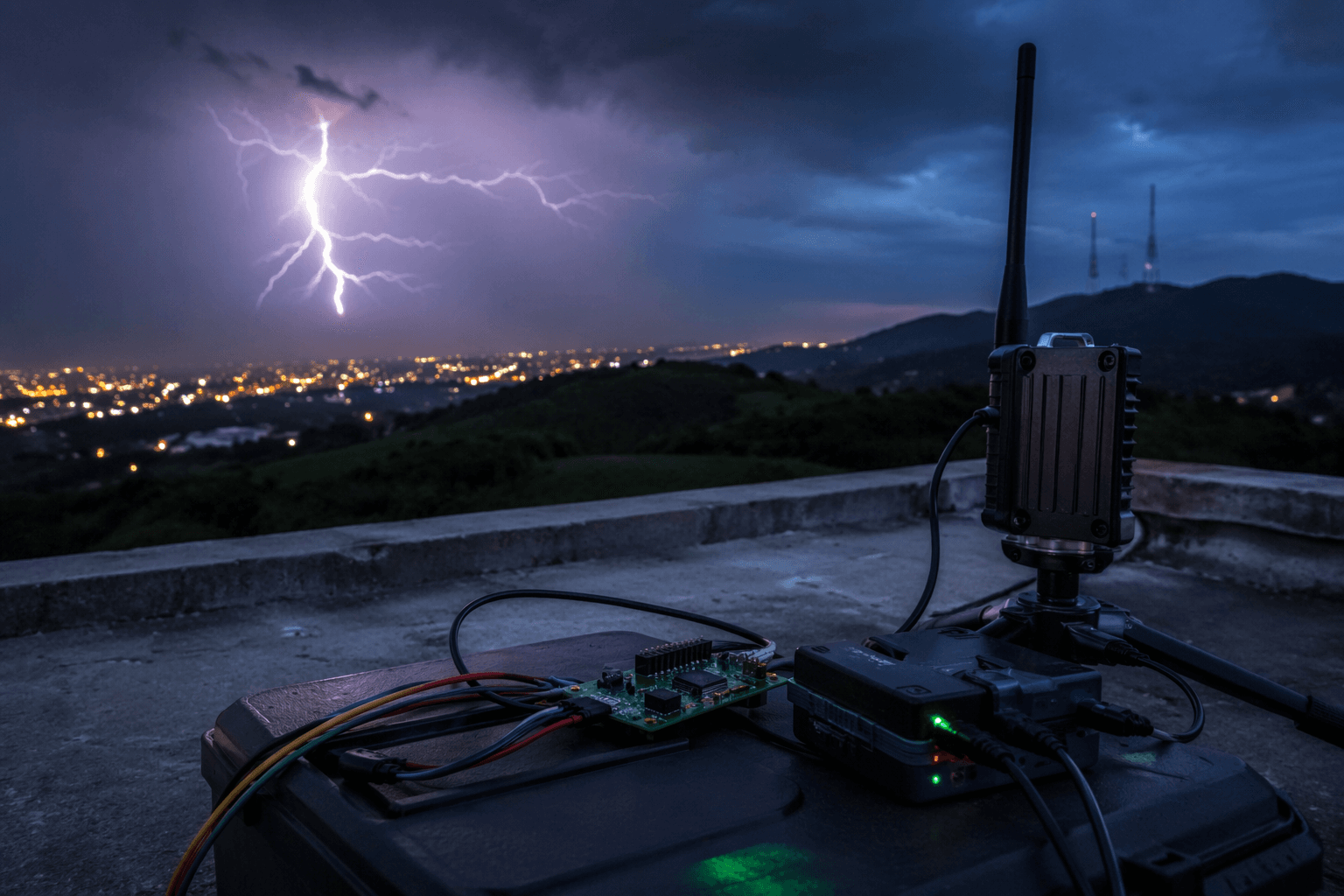
The broader Meshtastic ecosystem is set up for this kind of expansion. Its community software pages describe the project as highly extensible and point users toward community-built modules and applications from their authors. That matters here because lightning detection is not a one-off gimmick. It is a known hobbyist sensor category with support already in adjacent projects. SparkFun Electronics sells an AS3935 lightning detector and says it can detect lightning up to 40 kilometers away. ScioSense describes the chip as a low-power option for portable or fixed wire-line applications and says it estimates storm distance from 40 kilometers down to 1 kilometer. ESPHome supports the sensor and can notify users when a thunderstorm is getting close, and Tasmota supports it in its sensor builds.
Taken together, the request is less about adding one more reading to a dashboard than about widening what a Meshtastic node can do in the field. A relay on a rooftop already earns its keep by moving packets when cell service is gone. Add lightning sensing, and it starts looking like a weather-aware outpost, which is exactly the kind of practical upgrade that gets attention in a mesh built for rough ground and bad weather.
This article was produced by Prism’s automated news system from verified source data, official records, and press releases, then run through automated quality and moderation checks before publishing. The system is built and supervised by the people who set the standards it runs under. Read our full AI policy.
Know something we missed? Have a correction or additional information?
Submit a Tip