Meshtastic gains traction as encrypted off-grid messaging skips Big Tech trackers
Meshtastic's privacy pitch is surging, but its own docs warn that AES256, Trust on First Use and about 100 nodes of memory set hard limits.

Meshtastic's latest beta, v2.7.26.54e0d8d, was published June 23, 2026 as the project kept refining a mesh network now getting fresh attention from cybersecurity-focused accounts. Those posts frame it as encrypted off-grid texting that skips SIM cards and Big Tech trackers, but Meshtastic's own docs show the real promise is narrower and more technical.
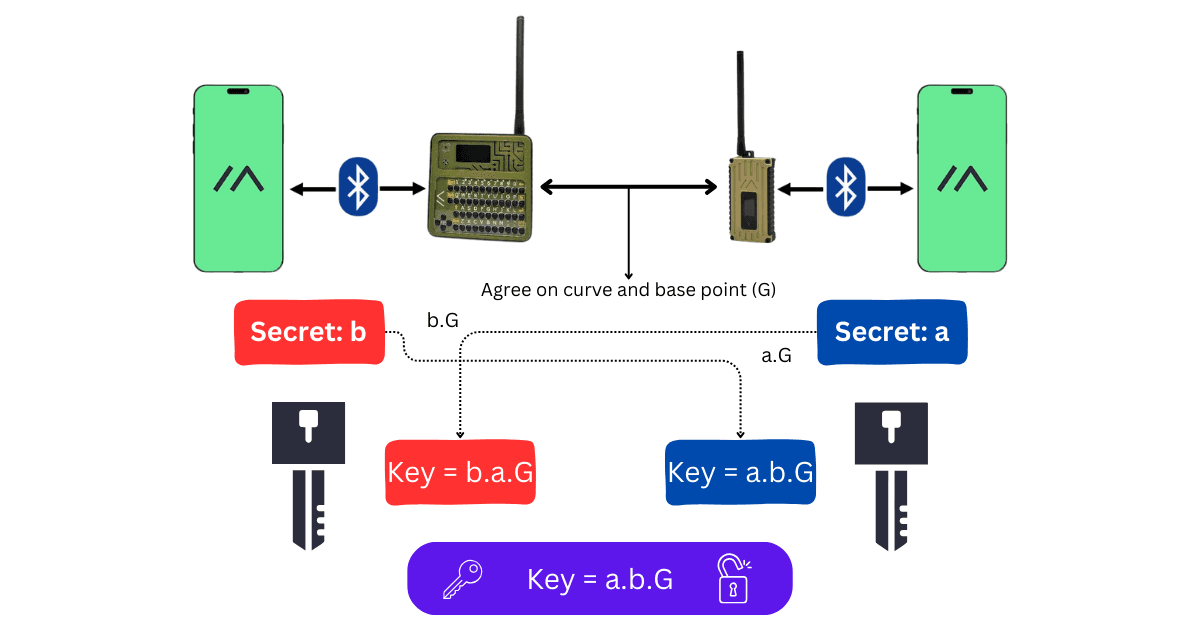
The project describes itself as an open-source, community-driven way to use inexpensive LoRa radios for long-range communication in places without reliable infrastructure. Its homepage is blunt about the value proposition: "No cell towers. No internet." Messages can move from a companion app to the radio over Bluetooth, Wi-Fi, Ethernet or serial, and the radio then broadcasts them across the mesh. Companions are optional, not mandatory, and that distinction matters because Meshtastic introduced BaseUI in the June 21, 2025 2.7 preview as a standalone interface on supported devices for common functions without a phone.

That phone-optional design has helped Meshtastic move beyond the usual app-first framing, but its security model still has sharp edges. The documentation says the system uses optional network-wide AES256 encryption to block passive eavesdropping, yet direct-message key exchange is not quantum-resistant. Meshtastic also warns users not to configure private channels on unattended nodes, a reminder that physical access and sloppy setup can undermine the privacy story fast.
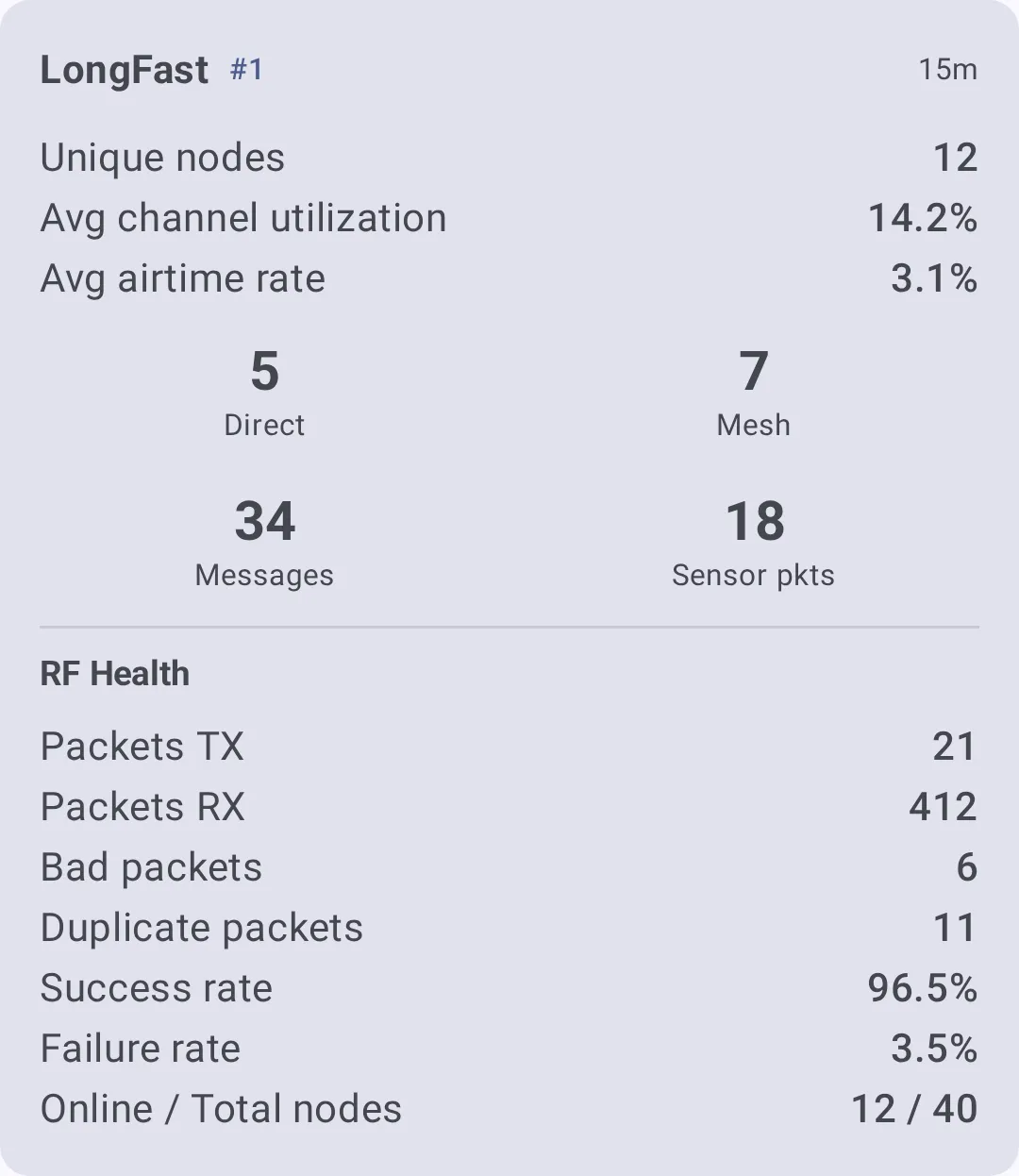
The project laid out another limit in a DEF CON writeup: Meshtastic uses a Trust on First Use model, so the first NodeInfo packet a device sees becomes trusted, and a node can only keep track of about 100 nodes in memory. That same deployment put the scale question in plain view, with more than 2,000 nodes running in Las Vegas. The bigger the mesh, the more range, relays and airtime management start to matter as much as the encryption banner.

Meshtastic has also become part of a wider spectrum and resilience conversation. On August 13, 2024, the project filed formal opposition to NextNav's proposed changes to the 900 MHz band, signaling that the community is watching not just devices and firmware, but the airwaves they depend on. With BaseUI, the Site Planner and a steady release cadence, Meshtastic is clearly maturing, yet its strongest appeal still comes with the same caveat its docs keep repeating: the radios can go off-grid, but the setup has to be right.
This article was produced by Prism’s automated news system from verified source data, official records, and press releases, then run through automated quality and moderation checks before publishing. The system is built and supervised by the people who set the standards it runs under. Read our full AI policy.
Did this article answer your question?