Meshtastic-mcp 0.1.0 adds FleetSuite for device testing and RF checks
FleetSuite turned meshtastic-mcp into a real bench tool, pairing USB recovery, camera feeds and RTL-SDR RF checks in its first public release.
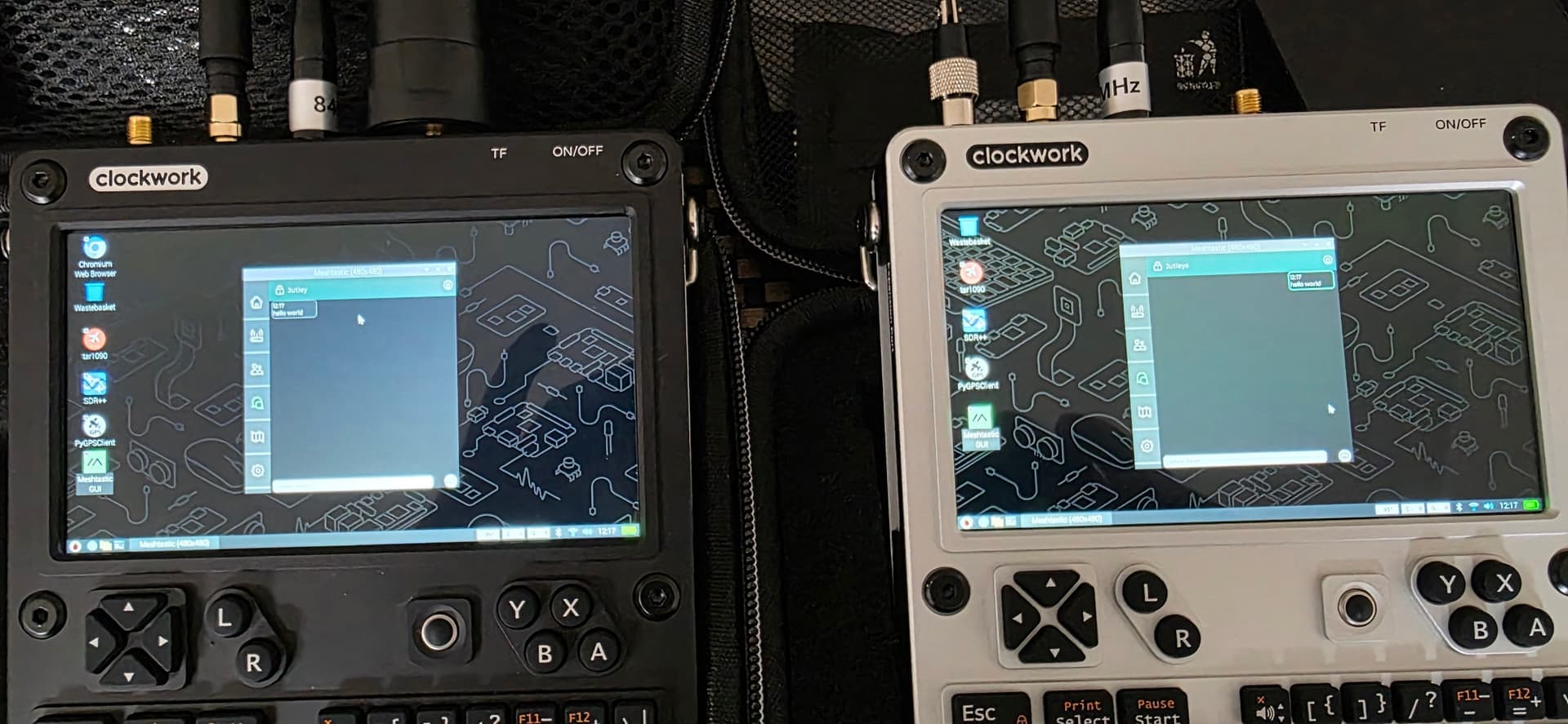
meshtastic-mcp 0.1.0 arrived July 2 as the project’s first public release, and FleetSuite made it look less like glue code and more like operator tooling. The new web control plane and hardware bench harness is built for a multi-board USB test bench, with a FastAPI backend and a Vue 3 front end, and it can discover devices, auto-enrich the registry, queue builds and flashes, and step through a recovery ladder that runs from reboot and USB power-cycle to 1200bps touch recovery and full reflash.
That matters inside a Meshtastic ecosystem that now describes itself as an open-source, off-grid, decentralized mesh network for affordable, low-power devices, with docs saying it is 100% community driven, spans more than 100 GitHub repositories, and supports over 100 devices. Meshtastic has already been widening its interface layer too, launching MUI in February 2025 and previewing BaseUI in June 2025, so meshtastic-mcp lands in a project that is clearly building more scaffolding around the radio stack, not just shipping firmware.
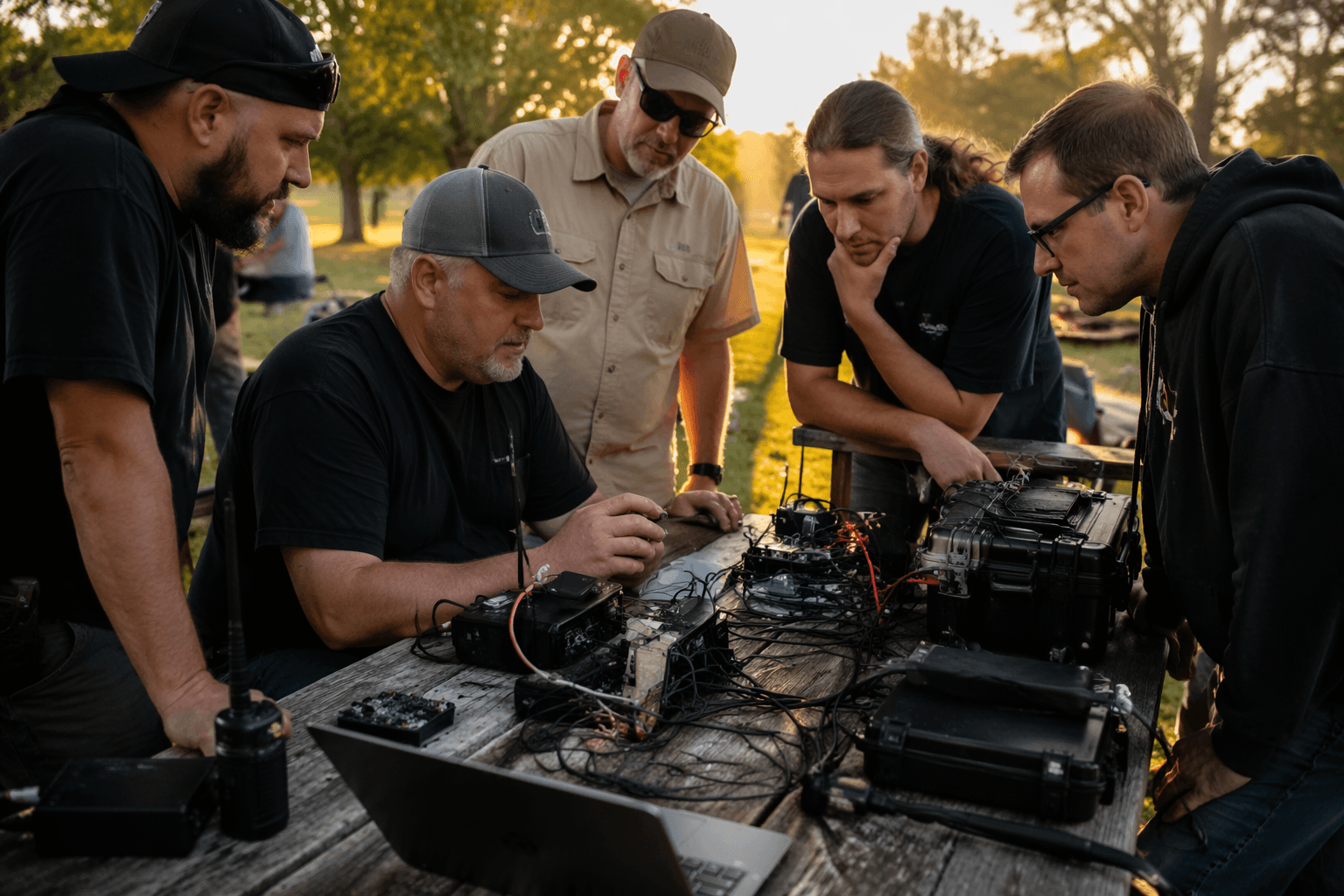
FleetSuite also pushes deeper into lab validation. The release added per-device camera streams and serial monitors, plus RTL-SDR-based RF checks named rf_scan and rf_confirm_tx, giving builders a way to inspect spectrum occupancy and verify transmit behavior without relying only on the board itself. The replay engine was tightened as well: it now answers get_owner_request, which lets strict clients finish their seeding flow and reach a ready state instead of stalling after partial configuration.
The release notes also point to a wider automation story. An experimental Kotlin-SDK device-IO backend can drive a device through a headless JVM CLI, and the sdk-cli-bridge documentation says that path was validated end-to-end against the real CLI binary and cross-checked against the MCP replay simulator. Local-model offload for summaries, triage and vision tasks rounds out the stack, while the changelog also notes headless serial monitoring, Android-app deep-link emulation in the emulator, discovery improvements for common board USB chips, and a docs, SPDX and base-install polish pass.
jamesarich and thebentern are credited in the release, and that fits the shape of 0.1.0 itself. The first public cut does not look finished, but it does look useful: FleetSuite handles the bench, RTL-SDR verifies the air, and the SDK bridge starts tying Meshtastic data into the rest of the toolchain.
This article was produced by Prism’s automated news system from verified source data, official records, and press releases, then run through automated quality and moderation checks before publishing. The system is built and supervised by the people who set the standards it runs under. Read our full AI policy.
Did this article answer your question?