PlatformIO spotlights Meshtastic’s off-grid mesh networking ecosystem
PlatformIO puts Meshtastic’s firmware stack within reach of builders. From Git and cloned firmware to Linux simulation, the path from idea to packet is unusually direct.
Meshtastic already uses PlatformIO as its development environment for multi-platform development and centralized tooling. Meshtastic is easiest to understand as a radio problem before it is a software project: antenna, band, presets, and terrain decide whether a packet gets through, and the firmware has to make those constraints work without cell towers or the internet. For anyone wanting to patch a board, test a message path, or add support for new hardware, that is a clear on-ramp into the stack.
What Meshtastic is built to do
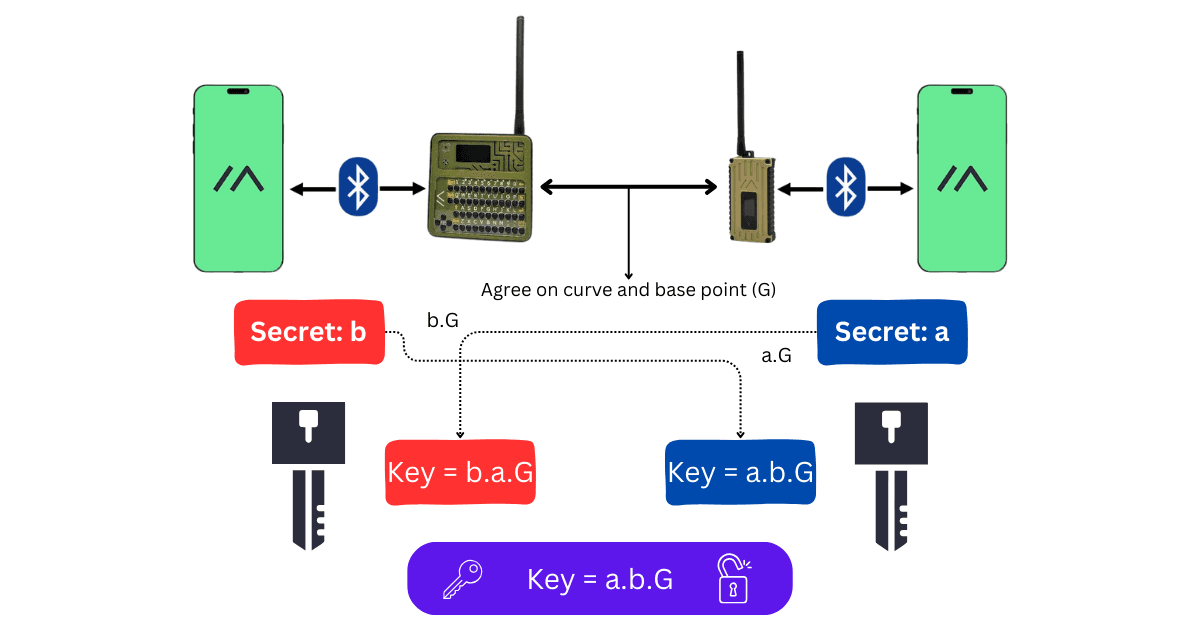
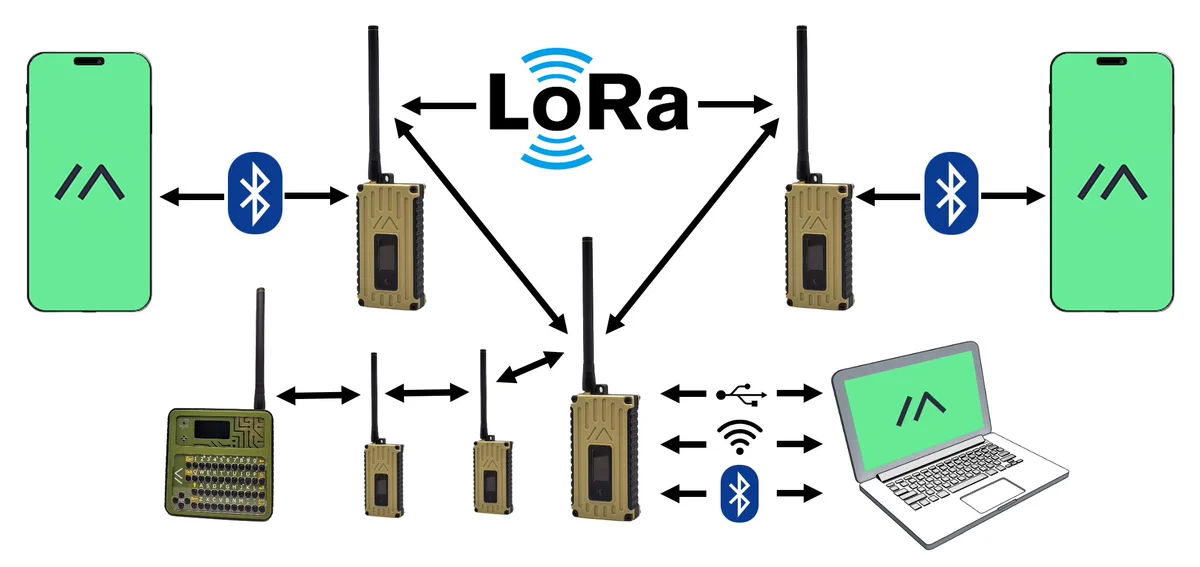
Meshtastic is an open-source, community-driven off-grid communication platform built on inexpensive LoRa radios. It provides long-range, decentralized, encrypted messaging without leaning on a mobile network or Wi-Fi infrastructure. It runs with no cell towers and no internet, while AES-256 encryption keeps messages private and secure.
Meshtastic is not one narrow device or one prescribed use case. Its homepage lists 26 LoRa regions and 39 languages available. The firmware, clients, and docs are meant to support real-world variation in region, language, and hardware.
The PlatformIO path into the firmware repo
If you want to build against Meshtastic today, PlatformIO is the path into the firmware repo. PlatformIO gives the project easy multi-platform development and centralized tooling, which is exactly what an embedded workflow needs when you are bouncing between boards, operating systems, and build environments.
The build instructions are direct: install Git and PlatformIO, then clone the official Meshtastic firmware repository from GitHub. The process starts with the basics, not a specialized workstation image or a single supported operating system.
For hardware tinkerers, the first useful milestone is a local build that compiles, firmware flashed to a supported node, and then a tangible change, such as a board definition, a module setting, or a localization detail.

Testing without always carrying a radio
The firmware can also run on a native Linux machine through the Portduino framework. That opens the door to development on a desktop or laptop before you ever reach for the soldering iron. It is a practical way to work through logic, packet handling, and configuration without waiting on a full hardware cycle.
Meshtastic firmware from version 1.3.42 onward can simulate a LoRa chip by sending and receiving Meshtastic packets through a local TCP port. You can run multiple instances that talk to each other as if they were over LoRa, which helps when you are testing message routing, client behavior, or configuration changes.
Clients, APIs, and the ways the network gets used
Meshtastic also offers a browser-based web client, with a hosted version at client.meshtastic.org and a self-hosting option for people who want to run it themselves.
The project also provides a Python API for sending messages and for reading and updating radio configuration settings. That gives you a second entry point that is especially useful for automation, integration testing, and lightweight tools that need to touch the radio stack without building a full native application. Between the browser client and the Python API, Meshtastic gives builders more than one way to interact with the network depending on whether they are configuring a node, scripting a workflow, or monitoring packets.
Where contributors can make useful changes
The documentation includes device-specific development guides such as nRF52 and OLED localization, which shows that the project is already organized around real hardware families and practical firmware work.
For a hardware tinkerer, the most obvious immediate lanes are:
- porting or refining support for a specific board
- improving device-specific behavior in the nRF52 stack
- adjusting OLED localization details for a language or region
- testing Linux-side behavior with Portduino before flashing hardware
- validating packet handling with the local TCP port simulation in firmware 1.3.42 and later
Meshtastic has official build instructions, simulation support, a browser client, a Python API, and docs that reach down into board-level development.
Why the spotlight lands in the right place
The PlatformIO connection reveals how Meshtastic is built. This is an ecosystem where you can clone the firmware repo, work with Git and PlatformIO, test on Linux through Portduino, and even emulate a LoRa chip over TCP before you ever commit to a physical node.
This article was produced by Prism’s automated news system from verified source data, official records, and press releases, then run through automated quality and moderation checks before publishing. The system is built and supervised by the people who set the standards it runs under. Read our full AI policy.
Did this article answer your question?