Texas club seeks ARDC grant for Meshtastic emergency mesh network
RRVARC has filed for ARDC funding to seed a Meshtastic mesh with solar repeaters and portable T-Deck Plus units across Lamar County and parts of Southeast Oklahoma.
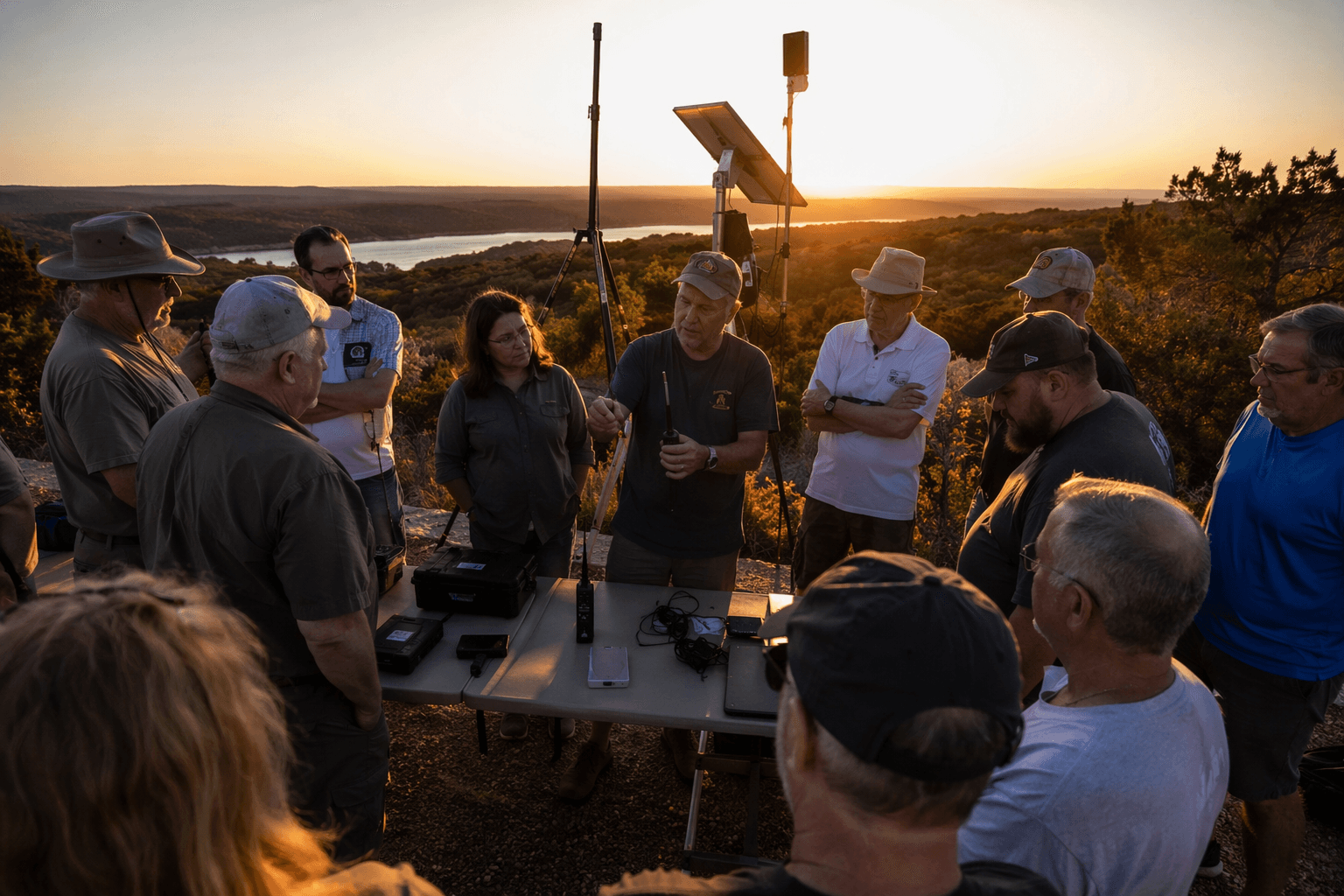
Phillip Beall posted on July 3 that the Red River Valley Amateur Radio Club had approved a roughly $6,000 ARDC grant request for a Meshtastic emergency mesh covering Paris, Lamar County, the broader Red River Valley region, and parts of Southeast Oklahoma.
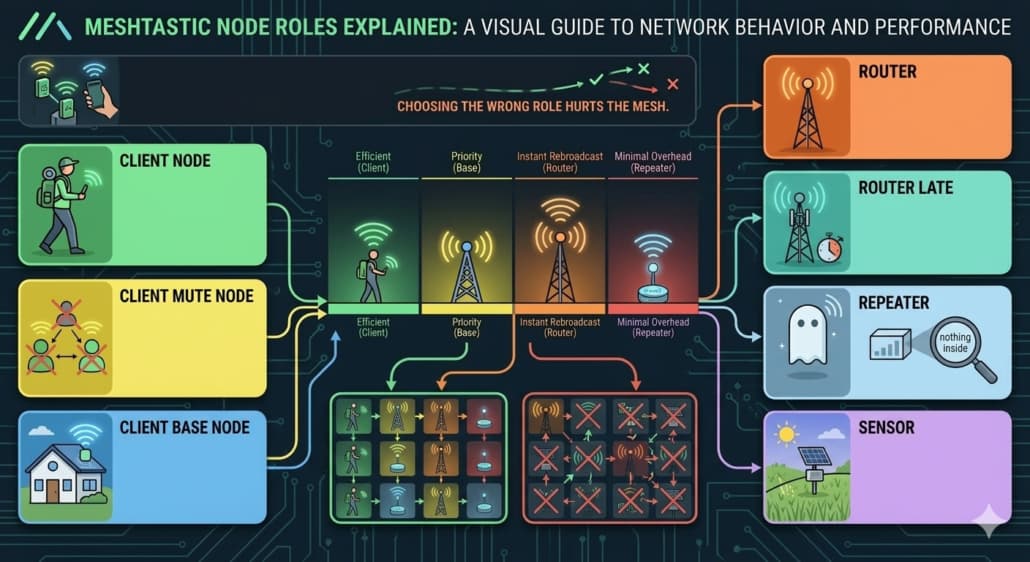
The package is built around 15 to 20 Elecrow ThinkNode M6 solar-powered repeaters and 30 to 35 LILYGO T-Deck Plus portable nodes, along with antennas, mounts, cases, and accessories. The build is a dual-mode licensed and unlicensed hybrid, with the portable units defaulting to unlicensed operation and the solar nodes serving as the backbone routers in licensed amateur mode. Kelly Collins is named as the trustee maintaining the club’s VHF/UHF repeater infrastructure. The club, WB5RDD, would add the new mesh alongside its existing VHF and UHF systems rather than replacing them.
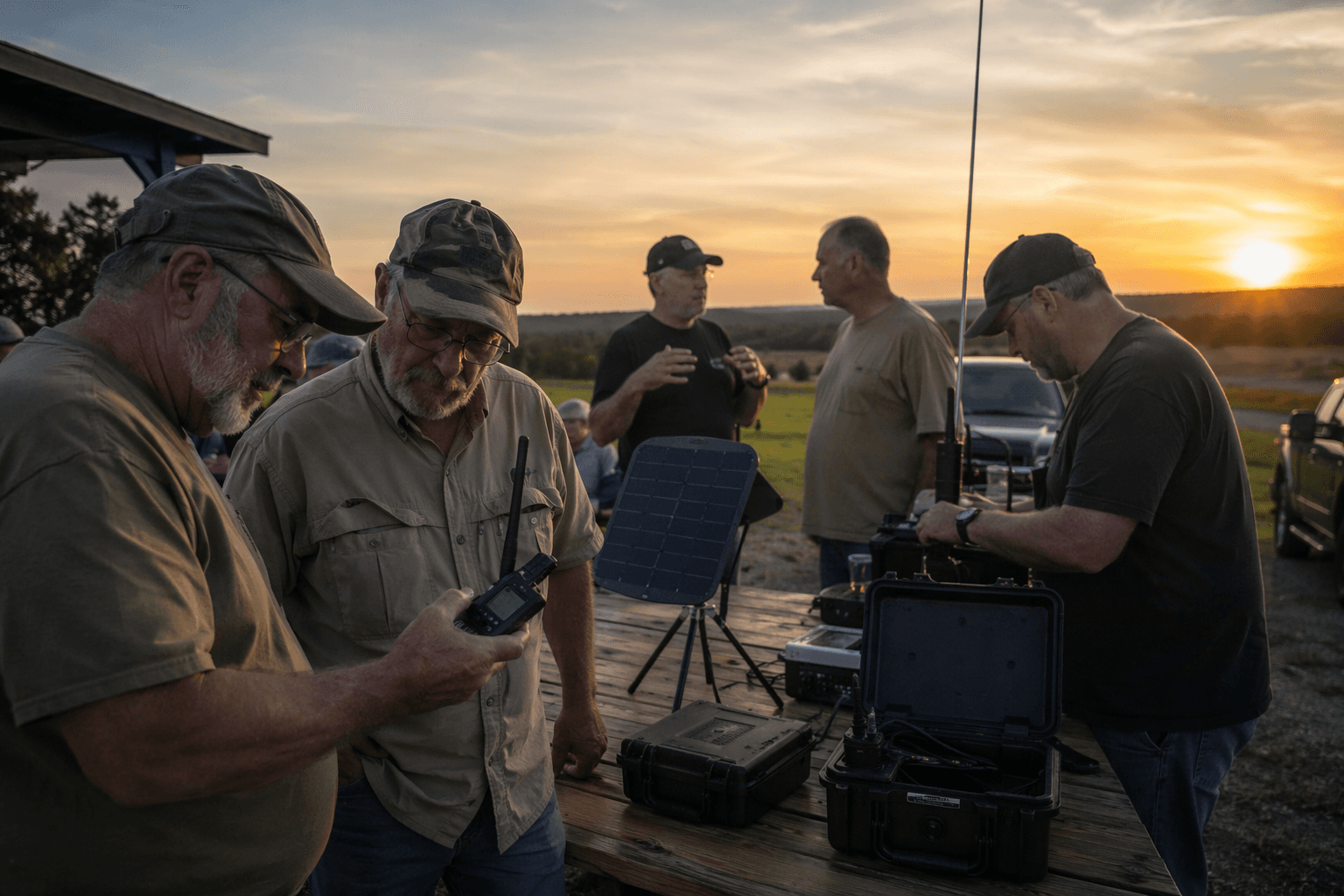
It would install 15 to 20 elevated solar repeaters radiating about 20 to 40 miles from Paris, giving local ARES participants and served agencies a backup channel when normal communications collapse. The hardware would be flashed with the latest open-source firmware for emergency coordination, training, and testing.
Quincy Blount, Lamar County’s Fire Marshal and Emergency Management Coordinator, backed that use case in a June 27 endorsement letter. He wrote that he regularly sees the need for resilient off-grid communications during severe weather, power outages, and other emergencies common to rural Lamar County, and said a solar-powered Meshtastic mesh would add redundant text messaging and location-sharing capability for responders and served agencies.
ARDC’s 2026 deadlines fall on February 1, April 1, July 1, and September 1, and applications generally take 60 to 120 days to evaluate. ARDC already funded a similar Meshtastic effort in March 2026, giving the Greater Bridgeport Amateur Radio Club $1,383 for solar node deployment to fill coverage gaps. The ARRL Foundation put ARDC-backed club grants at 37 clubs and $500,502 in 2024.
This article was produced by Prism’s automated news system from verified source data, official records, and press releases, then run through automated quality and moderation checks before publishing. The system is built and supervised by the people who set the standards it runs under. Read our full AI policy.
Did this article answer your question?