2026 metal detector guide matches machines to hunting style
The right detector is the one that fits your ground, targets, and patience. Beach, park, relic, and gold sites all reward different features.

On saltwater beaches, in trashy parks, in iron-heavy relic sites, and on rough ground, the wrong detector turns into expensive dead weight. If you spend your weekends in those places, the features that matter change fast, and the machine with the biggest price tag is not automatically the right one.
Match the detector to the hunt
A detector with strong multi-frequency performance and sharp target separation makes sense where good targets hide beside nails, square tabs, and other junk. That is the kind of machine that earns its keep in iron-infested relic fields and trashy parks, where unmasking matters more than chasing a few extra inches of theoretical depth. A different detector can be the smarter buy for surf and beach work, where waterproofing and salt handling often matter more than raw separation.
The main shift in the 2026 buying conversation is to stop asking which detector is “best” in the abstract and start asking what ground it was built to handle. Beach hunters, coin shooters, relic hunters, and gold prospectors are not shopping for the same tool, even if they all stand in the same aisle.
What the field-tested approach gets right
The 2026 buying framework centers on depth, target separation, value, and usability across skill levels and budgets. Serious Detecting’s 2026 guide breaks machines into premium, intermediate, and beginner categories, then pushes readers into goal-based groupings so the comparison is about purpose, not hype.
Detector choice is a trade-off. A more expensive machine can bring better feature depth, but a simpler detector can win if it is lighter, easier to learn, and well matched to the sites you actually hunt.
What to prioritize by hunting style
The hunt you want to run should decide the feature list. The biggest mistake is starting with the machine and trying to force your sites to fit it. A better way is to match the detector to the terrain, target size, and amount of trash you expect to dig.
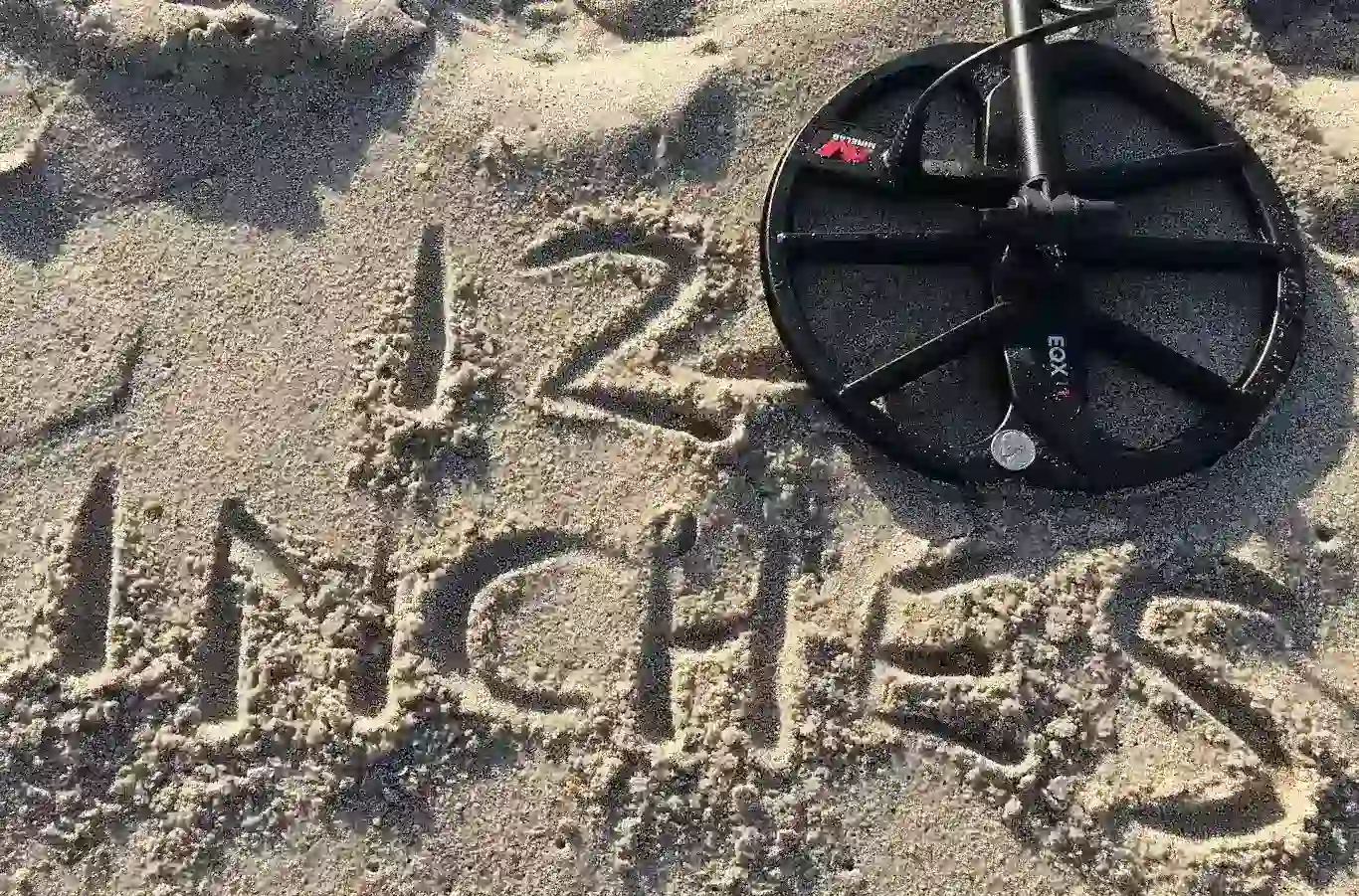
- Beach and surf hunting: waterproofing, salt handling, and stable performance in wet sand
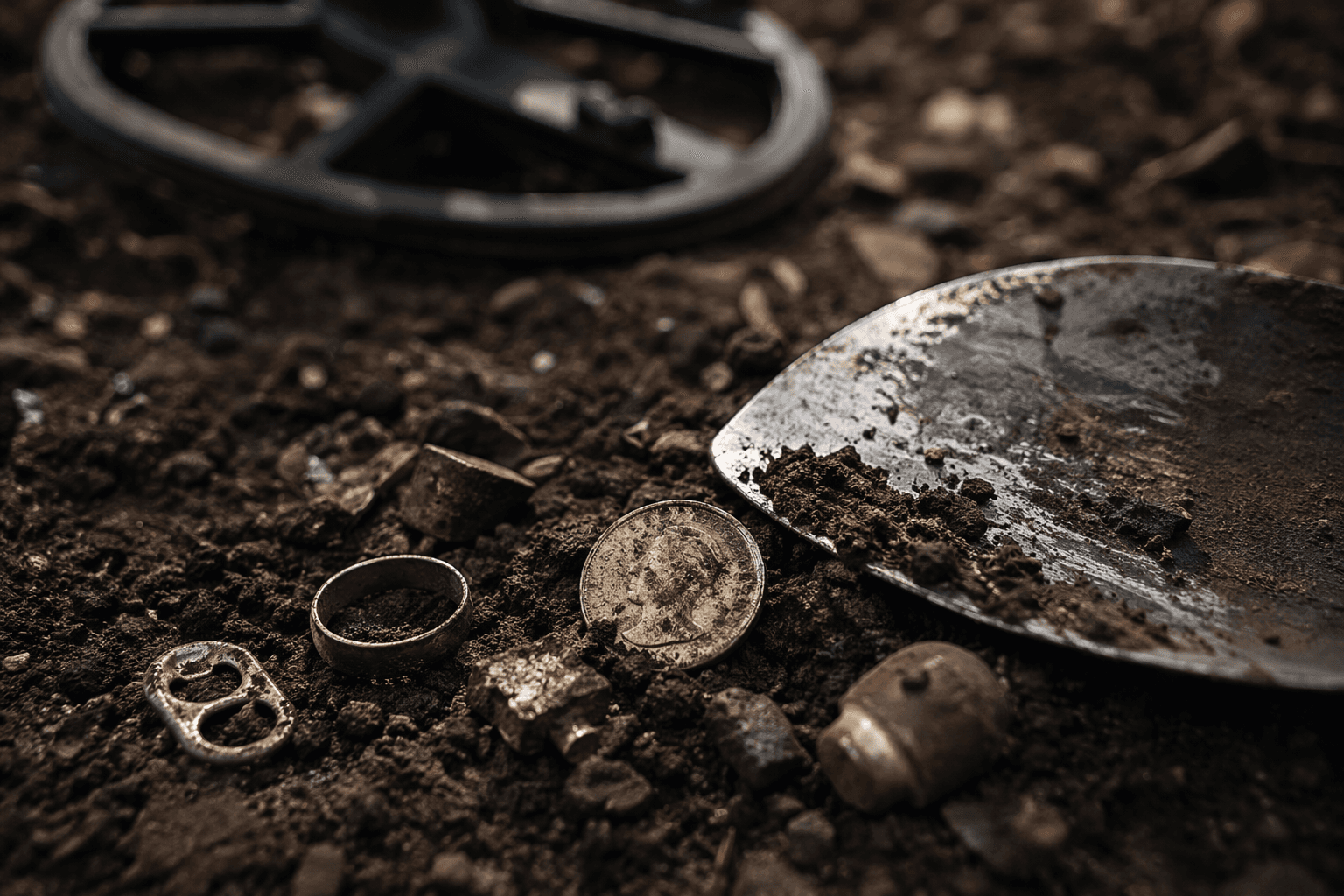
- Trashy parks and coin shooting: target separation, recovery speed, and a coil that stays nimble in tight spots
- Relic hunting in iron: strong unmasking, solid multi-frequency performance, and enough patience to learn the audio
- Gold prospecting: sensitivity to small targets and the ability to behave in difficult ground
Weight, learning curve, and the real cost of features
Detector buyers love talking about depth, but in the field, weight and balance are what your shoulder notices first. A machine that feels heavy for a three-hour hunt can become the detector you leave in the closet, no matter how good its specs look. The same goes for the learning curve: a feature-rich detector can be a bargain if you will actually master it, and a mistake if it buries you in menus and settings.
The real question is not whether a detector is premium, intermediate, or beginner grade, but whether its strengths line up with your patience, your budget, and the kind of ground you will really cover. If you are still learning the hobby, a straightforward machine that responds clearly and lets you build confidence can be a smarter first buy than a complicated flagship.
Don’t skip the legal map
The National Park Service makes metal detecting and even possession of a metal detector illegal in national parks. The U.S. Forest Service bars digging, excavating, or disturbing prehistoric, historic, or archaeological resources on National Forest System lands.
The Bureau of Land Management allows recreational collecting with hand tools, including metal detectors, for casual, non-commercial prospecting in certain areas, but not in wilderness areas or on active mining claims without permission. Virginia’s Department of Historic Resources warns that using a detector on private property without the owner’s permission can lead to trespass and theft charges.
Why the hobby’s stewardship side still matters
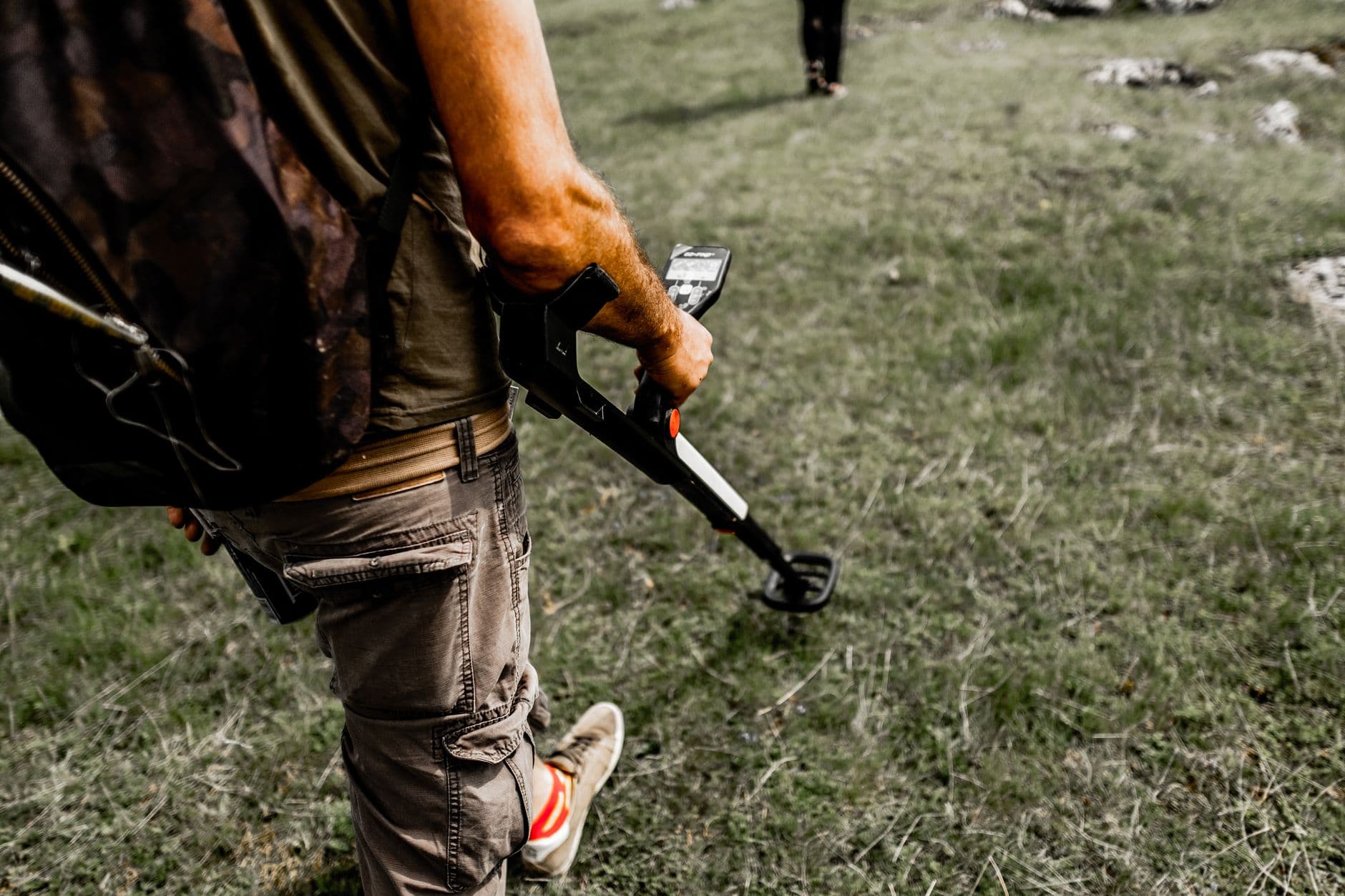
The Federation of Metal Detector and Archaeological Clubs, Inc. was organized in 1984 as a legislative and educational organization dedicated to preserving, promoting, and protecting recreational metal detecting and prospecting. Clubs, permissions, ethics, and local rule awareness are part of the culture that keeps sites open.
The market keeps growing because the choices keep multiplying
The global metal detector market was about USD 0.99 billion in 2026. The market grew from USD 1.94 billion in 2025 to USD 2.14 billion in 2026. The hobby segment was about USD 1.8 billion in 2025 and is projected to reach about USD 3.1 billion by 2034.
That growth keeps pushing more models, more coil options, and more feature sets into the channel.
Old technology, same core trade-offs
Modern detectors grew out of earlier electromagnetic devices, then moved into portable consumer machines built around VLF and PI technologies. That history still shows up in the same arguments detectorists have today: depth versus separation, salt performance versus sensitivity, and simplicity versus advanced controls. The technology has gotten better, but the trade-offs have not disappeared.
This article was produced by Prism’s automated news system from verified source data, official records, and press releases, then run through automated quality and moderation checks before publishing. The system is built and supervised by the people who set the standards it runs under. Read our full AI policy.
Did this article answer your question?