Metal detecting rules, where you can search and where to stop
The easiest way to lose access is to swing first and ask later. National parks are off-limits, and the smart dig starts with land status, permits, and context.
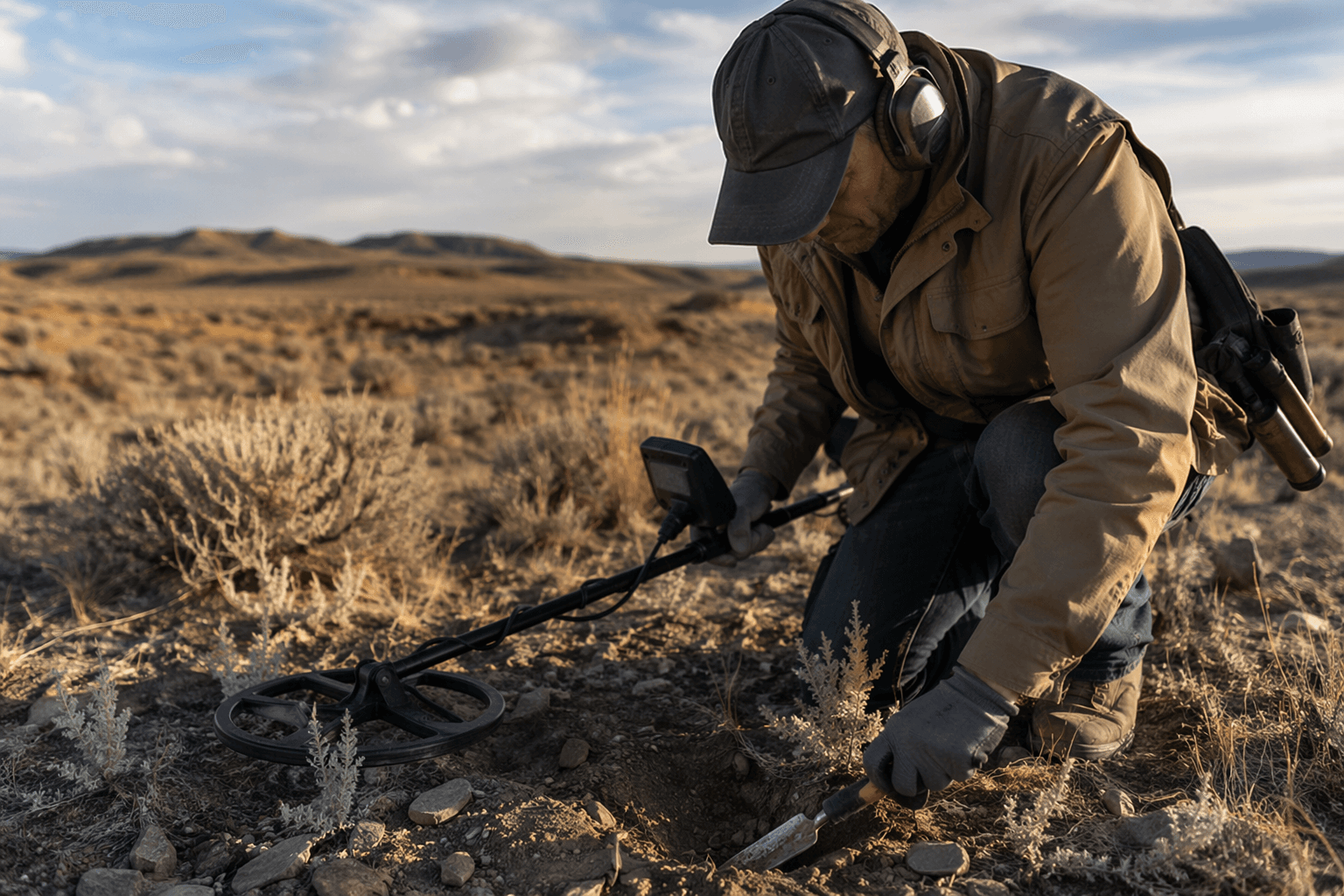
National parks are a hard stop for metal detecting. Elsewhere, the rules turn on where you are and what the ground might hold.
National parks are not a gray area
If you detect in a national park, you are already in the wrong place. The National Park Service bars digging into the ground, using or even bringing a metal detector, and removing artifacts. It also treats disturbed ground as a clue worth reporting, especially fresh small pits, and asks you to tell a ranger if you see someone digging, metal detecting, or even using sonar where it does not belong.
Visitors should think about why people were there, what they ate or drank, and what remains before deciding whether a place is appropriate for any sort of disturbance.
Federal land is where the permit question starts
Outside the parks, the rules get more specific, not more relaxed. The Archaeological Resources Protection Act was signed in 1979 to protect archaeological resources and sites on public lands and Indian lands, and to give agencies clearer enforcement tools, penalties, and permit requirements for unauthorized excavation or removal. On National Forest System land, federal regulations also prohibit digging, disturbing, damaging, or removing prehistoric, historic, or archaeological resources, structures, sites, artifacts, or property.
The U.S. Forest Service does allow recreational metal detecting in some places. Developed campgrounds, swimming areas, picnic areas, and other developed recreation sites are often open to casual detecting without a permit, but only until you hit something that looks archaeological or historical. At that point, you stop, leave the area alone, and notify a Forest Service office. Historic or prehistoric artifact hunting is not a casual hobby use at all there. It requires a special use permit and is limited to scientific research.
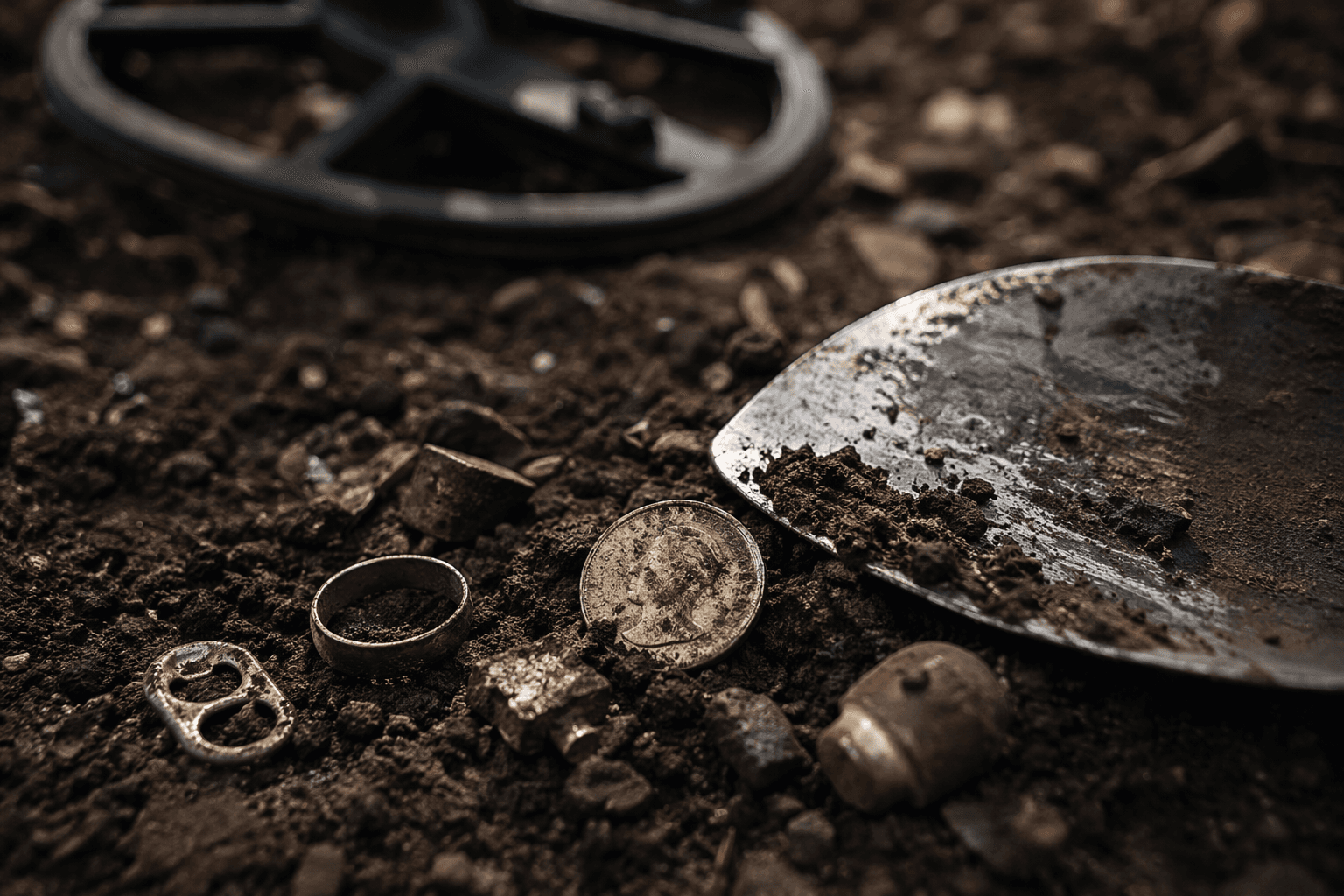
Personal coin collecting can be allowed when the coins are not in an archaeological context. A dropped quarter in a picnic lot is not the same thing as a coin scatter inside an old campsite, cellar hole, or encampment.
Modern losses are one thing, old ground is another
Recently lost coins and jewelry usually have little archaeological impact. Search for older objects where people lived, worked, or gathered in the past, and you are very likely touching an important site, even if the finds still look small and harmless on the surface.
Metal detecting on Maryland state-owned land generally requires an archaeology permit, which is usually reserved for professional archaeologists. The only routine permit-free exception is state-owned swimming beaches for recently lost, modern items, with two named exceptions, Point Lookout State Park and Calvert Cliffs State Park. On private land, get the landowner’s permission first, because items found in or on the ground generally belong to the landowner.
On federal land, recreational detecting is usually not allowed without a permit, and local rules can range from open beaches to parks that ban detecting outright.
Know what must be left untouched
Archaeological artifacts, site edges, clustered finds, burial markers, human remains, pictographs, and petroglyphs should be left untouched. Even touching rock images can cause harm, because oils from your skin damage the surface, and removing artifacts from national park lands is illegal.
If you find something that looks more than 50 years old, or what appears to be a historic site, report it instead of digging around it. Do not disturb clusters of artifacts, do not use heavy digging equipment on a suspected site, and do not remove artifacts from land or underwater without proper permission.
How to stop cleanly and report what you found
If you spot something older, document the location before you move anything, take clear photos of the item and its surroundings, and then report it. Maryland Historical Trust's individual-find reporting tools require GPS location or map coordinates, a photo set, and an item description, while larger site discoveries go to the Archaeological Registrar.
Artifacts are nonrenewable, and once they are removed or disturbed without documentation, the context that explains where and how people lived is gone. Reported finds can become part of the state’s archaeological record, which helps preserve sites from future disturbance and looting and helps planners and archaeologists make better decisions.
This article was produced by Prism’s automated news system from verified source data, official records, and press releases, then run through automated quality and moderation checks before publishing. The system is built and supervised by the people who set the standards it runs under. Read our full AI policy.
Did this article answer your question?