App-based mindfulness eases recovery after critical illness, study finds
ICU survivors said the app’s breathing drills, not generic meditation content, helped most, easing dyspnea and blood pressure during recovery.
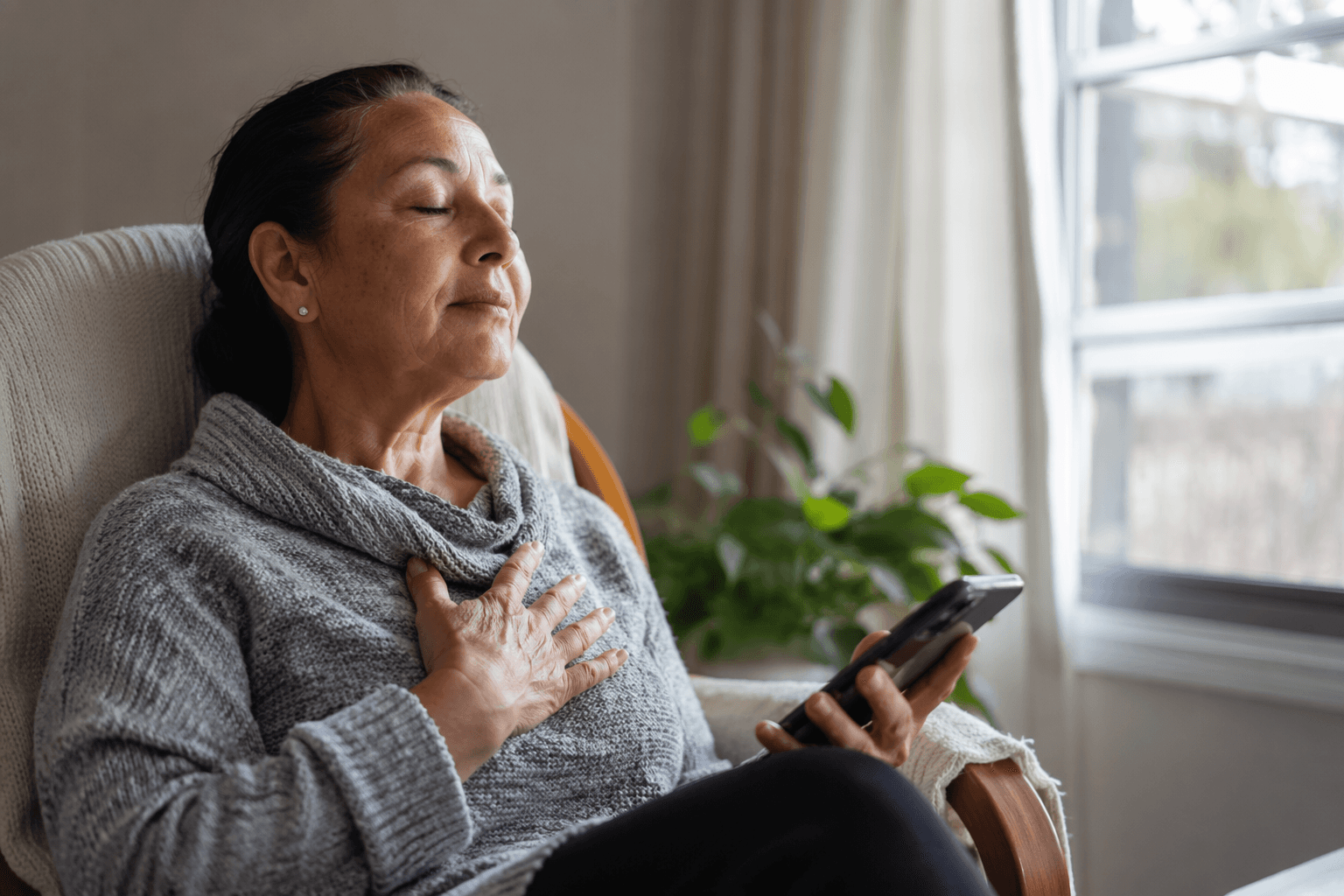
Breathing exercises and short mindfulness videos were the parts of an app-based recovery program that 19 ICU survivors said helped most after acute cardiorespiratory failure. In interviews tied to the LIFT 2 trial, participants described those features as the clearest way the app connected mind and body during the grind of post-ICU recovery.
The study was indexed on PubMed on July 1, 2026 and appeared in Critical Care Explorations, the open-access journal of the Society of Critical Care Medicine. It drew on adults treated at three academic medical centers, and the interviews ran from March to June 2024. The median participant age was 60. Rather than asking whether mindfulness was a nice idea in theory, the paper focused on what survivors thought actually helped once they were home and trying to function again.
The answer was narrower than a broad wellness pitch. Participants said their openness to mindfulness shaped how useful the program felt, but the breathing techniques came up as the most valuable content because they were concrete and easy to use. The mindfulness videos also landed well, while some participants said they perceived improvements in dyspnea and blood pressure, two problems that can keep anxiety and physical distress locked together after an ICU stay. They also described the app as easy to use and feasible, which matters in a population that does not need another complicated recovery task.
That makes the practical lesson pretty clear: after critical illness, the app features that seem worth keeping are the ones that teach breathwork, keep sessions short, and support use alongside other rehabilitation. Participants said mindfulness worked best when it was paired with other recovery techniques, not when it was treated as a stand-alone fix. That tracks with the larger LIFT program, which started with a pilot randomized trial showing mobile mindfulness was feasible, acceptable and usable, and continued into the larger LIFT 2 randomized clinical trial with 247 ICU survivors in a 2×2×2 factorial design. The evidence is still early, but it points away from generic meditation content and toward the kind of simple breathing practice a medically fragile person can actually stick with.
This article was produced by Prism’s automated news system from verified source data, official records, and press releases, then run through automated quality and moderation checks before publishing. The system is built and supervised by the people who set the standards it runs under. Read our full AI policy.
Did this article answer your question?