BSWA shares guided meditation with Ajahn Santutthi across podcast channels
Ajahn Santutthi’s hour-long guided sit is built for replay, giving intermediate meditators a portable practice from BSWA’s forest-lineage archive.
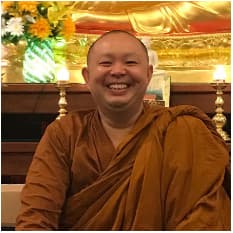
Why this recording is worth your time
Ajahn Santutthi’s May 2 guided meditation is not just another item in a podcast feed. It is a deliberately reusable practice, packaged by the Buddhist Society of Western Australia as something you can stream, download, and return to until the shape of the session starts to live in your own day. The page is spare, but that is the point: it gets out of the way and points straight to the sit.
That matters because BSWA is not offering generic mindfulness content here. It is drawing from the tradition of Ajahn Brahm and the Australian Forest Sangha, and it is doing it across the channels people already use, including BSWA Podcast Channel, BSWA DeeperDhamma Podbean Channel, and BSWA YouTube. The archive page even notes that the audio can be downloaded from Podbean, which turns the recording into something portable instead of something you have to remember to hunt down later.
What makes the May 2 session different
The clearest distinction is the level. The podcast listing describes Ajahn Santutthi’s guided meditation as an intermediate and advanced class, running for approximately one hour. That instantly tells you who it is for: not the person looking for a five-minute reset, but the meditator who already knows how to settle in and wants something with a little more weight, structure, and continuity.
The tone is practical rather than mystical. Ajahn Santutthi teaches meditation as a DIY process, which is about as direct as it gets, and he uses a vivid simile about viewing a crying baby through the eyes of a loving, caring mother. That image does real work. It shifts practice away from forcing an experience and toward a steadier kind of attention, the sort that can hold discomfort without tightening around it.
If you are trying to decide whether to keep this in rotation, that combination is the signal: one hour, intermediate-to-advanced, hands-on, and grounded in a compassionate mental stance. It is the opposite of background audio.
Where this sits in BSWA’s practice network
Ajahn Santutthi is currently the abbot of Kusala Hermitage, and BSWA says he also provides teachings and support at Dhammaloka in Nollamara and offers meditation retreats at Jhana Grove, beside Bodhinyana Monastery in Serpentine. That gives the recording real institutional weight. This is not a lone teacher uploading a one-off talk; it is part of a living teaching circuit that runs through Perth-area practice spaces.
Kusala Hermitage itself adds to that sense of rootedness. BSWA describes it as a forested block in Roleystone, just off Brookton Highway, with Ajahn Santutthi, Ajahn Jhanarato, and Anagarika Rob living there in the converted stables. The daily shared meal is at 11 a.m., a small detail that says a lot about the rhythm of the place. This is forest tradition practice translated into local life, not stripped of its monastic texture.
That rhythm shows up in the wider archive too. BSWA describes Roleystone Meditation Group sessions as about an hour long, with a talk on meditation, meditating together, and questions and answers, led by monks from Kusala Hermitage. The May 2 guided meditation fits that cadence neatly. It feels less like a standalone recording and more like one repeatable unit in a larger weekly pattern.
How to use the recording as a repeatable practice
The easiest mistake with archive meditation is treating it like entertainment. This session works better if you treat it like a template you can rehearse. The structure is there already, so let it do the heavy lifting.
1. Choose one channel and stay with it.
If you want the cleanest route, use the podcast feed for repetition. If you prefer video, BSWA YouTube works. If you want to keep a file on hand, open the audio track in Podbean and download it.
2. Give it the full hour.
The session is built for a serious sit, not a rushed listen. That hour-long frame lets you see how the mind behaves once it stops being asked to multitask.
3. Use the same recording more than once.
The value of archive-based meditation is that the container stays fixed. Once you know the voice, the pacing, and the simile, you can start noticing your own habits instead of adjusting to a new teacher every time.
4. Take the DIY instruction literally.
The point is not to wait for the right mood. It is to build the conditions, sit down, and work with what is there.
Why archive-based practice beats generic app content here
This is where BSWA’s 4,199-download podcast archive becomes more than a vanity number. It shows there is already an audience for Dharma talks that are specific enough to matter and flexible enough to reuse. That is a meaningful share hook on its own: thousands of people are not just sampling Buddhist teaching, they are returning to a lineage-based archive that has been built to travel.
Ajahn Brahm’s name will open the door for a lot of practitioners, but the real draw here is the combination of lineage, teacher, and format. You get the forest tradition, the Perth-based monastic network, and a recording that is clearly meant to be practiced with, not merely consumed. For meditators who want structure without the overhead of a retreat or an in-person class, that is the sweet spot.
BSWA’s history helps explain why this approach feels so natural. The society says it has led a pioneering trail in Australia since the 1980s, established the first dedicated Buddhist forest monastery in the Southern Hemisphere at Serpentine, and sent a delegation to Thailand in 1981 to invite monks from Ajahn Chah’s Forest Tradition to Western Australia. Ajahn Jagaro and Venerable Puriso arrived in Perth in 1982, and that early decision still shapes the way the teaching is distributed now.
The May 2 guided meditation is small in form but strong in function. It gives you one teacher, one hour, one lineage, and one method you can return to until it starts to feel like your own working practice.
This article was produced by Prism’s automated news system from verified source data, official records, and press releases, then run through automated quality and moderation checks before publishing. The system is built and supervised by the people who set the standards it runs under. Read our full AI policy.
Did this article answer your question?


