Chhattisgarh offers paid leave for Vipassana retreats to government employees
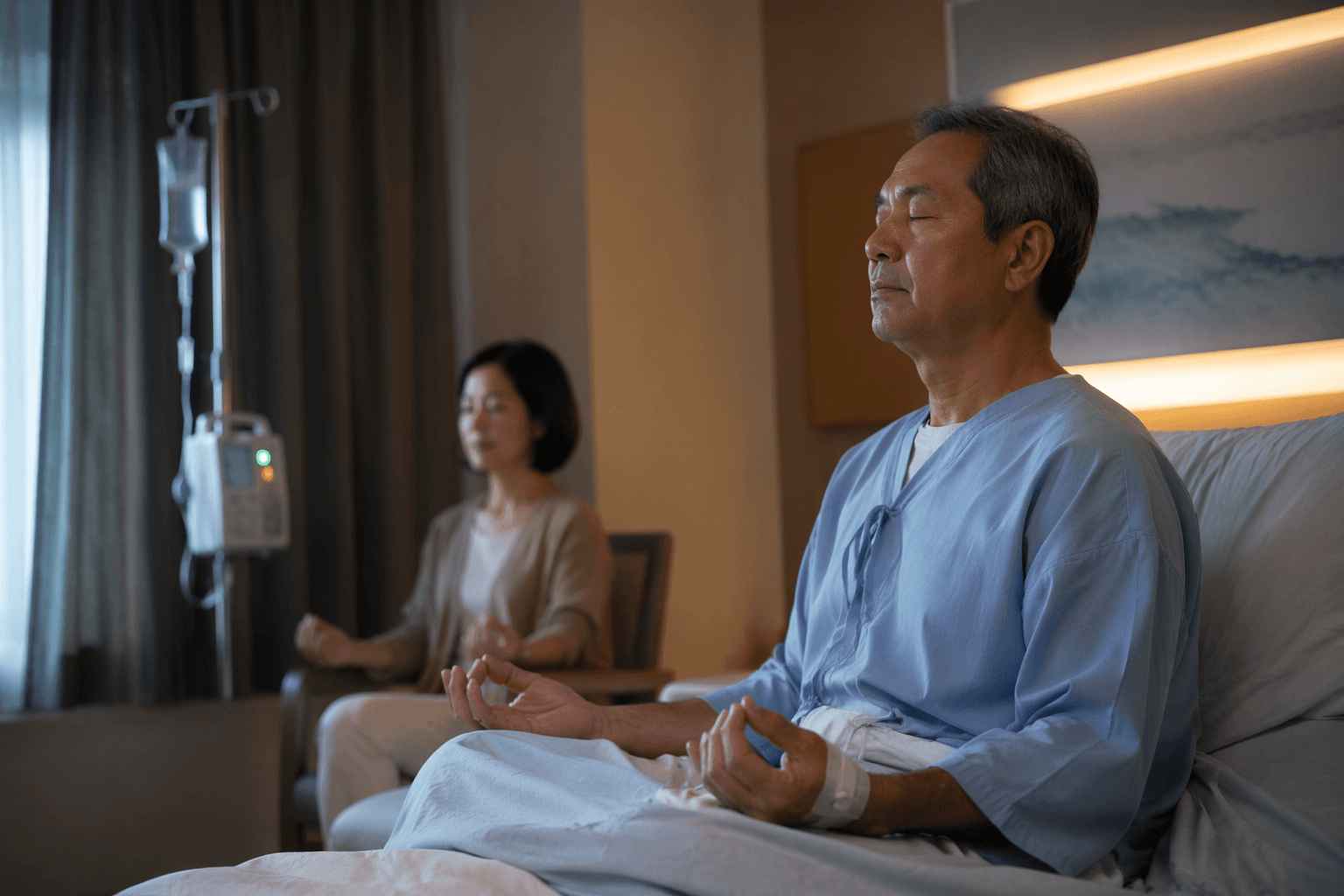
Chhattisgarh now pays government employees to attend 10-day Vipassana retreats, with up to 12 days off on duty and full salary. The leave can be used six times in a career.
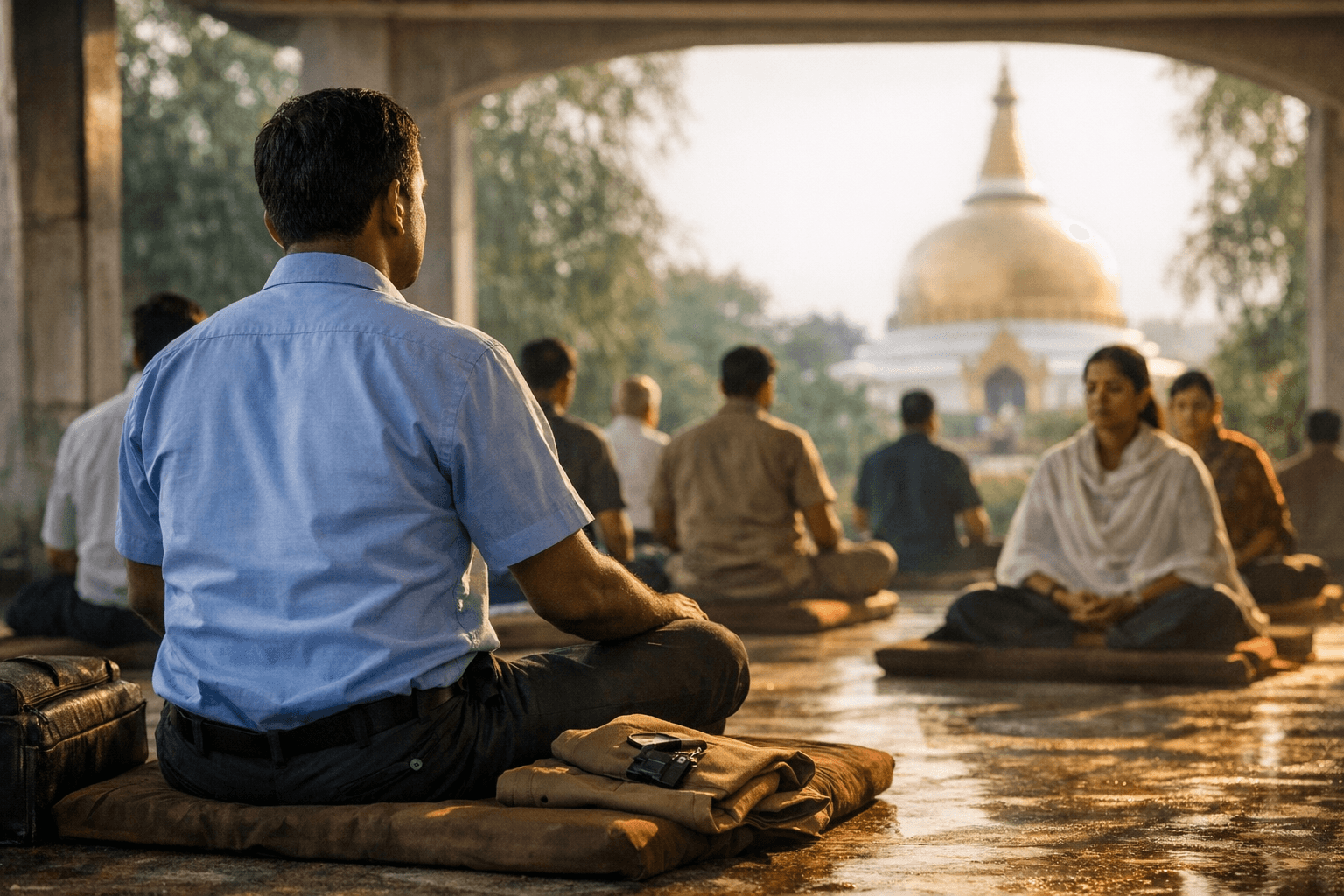
The practical question is whether other governments will copy this model. Chhattisgarh has turned a 10-day Vipassana retreat into paid leave, giving eligible employees up to 12 days of special casual leave that counts as on duty and carries full pay.
The order, issued on April 7 by the state’s General Administration Department, covers both All India Service officers and State Service officers and employees. It is not an open-ended wellness perk. Workers must first submit an admission letter from the Vipassana centre, then produce a completion certificate afterward. If they fail to do that, the leave can be adjusted against other earned leave. The state will not pay travel allowance or any other retreat expense, and the benefit can be used only six times over an employee’s entire service.
The extra two days are built in for travel, a practical detail that matters because only a few state-recognized Vipassana centres are available in Chhattisgarh. That makes the policy look less like a symbolic gesture and more like a formal administrative rule built around the realities of a 10-day residential course. In plain terms, the state has not just acknowledged meditation. It has written it into the leave structure.
That is what sets this apart from generic wellness talk. Vipassana, one of India’s oldest meditation techniques, is being treated here as something closer to official restorative time than a private hobby. The policy gives employees a way to step out of daily duties, enter a structured retreat, and come back with salary intact. For a large bureaucracy, that is a meaningful signal about how mental wellbeing is being framed inside public service.
Chhattisgarh is not inventing the idea from scratch. The Vipassana Research Institute says governments and public-sector bodies have issued similar circulars before. Goa’s 2006 circular allowed 14 days of special leave for eligible employees attending Vipassana courses, with application and completion proof required. Assam’s school education department also granted 12 days of special leave, including journey time, for teachers attending a 10-day course.
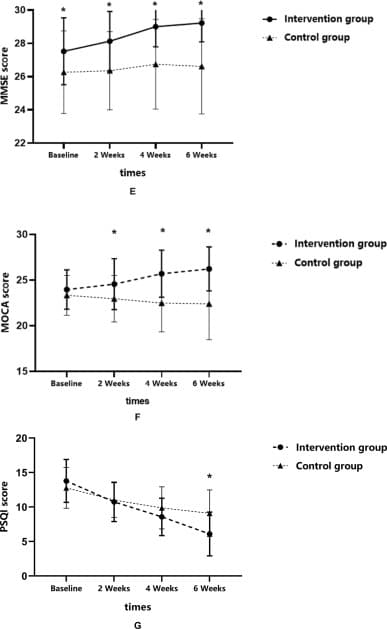
There is some evidence behind the policy logic. A Vipassana Research Institute study of employees reported higher psychological well-being scores in the meditator group. A broader workplace mindfulness evidence map identified 175 systematic reviews across health and workplace outcomes, and a separate review of Vipassana found moderate evidence for reducing stress and anxiety. None of that guarantees a calmer office on Monday morning, but it does explain why administrators may see retreat time as a workforce intervention, not just a spiritual allowance.
The policy also has a labor angle. A local employee-officer federation welcomed the move after raising workload and stress concerns in a March 27 meeting with chief secretary Vikas Sheel, and Kamal Verma described the order as a response to those demands. For now, Chhattisgarh has drawn a clear line: a meditation retreat can be official duty, and the state is willing to pay for the time.
This article was produced by Prism’s automated news system from verified source data, official records, and press releases, then run through automated quality and moderation checks before publishing. The system is built and supervised by the people who set the standards it runs under. Read our full AI policy.
Did this article answer your question?