Six-week mindfulness training may reshape stress response in college students
A six-week mindfulness program did not just ease reported stress in 25 first-year students. It also changed a more sensitive heart-rate signal when they were put under pressure.
A six-week mindfulness program did not just leave 25 first-year college students saying they felt calmer. It also produced a different physiological stress pattern when the students faced acute stressors, suggesting the practice may reach deeper than mood scores alone.
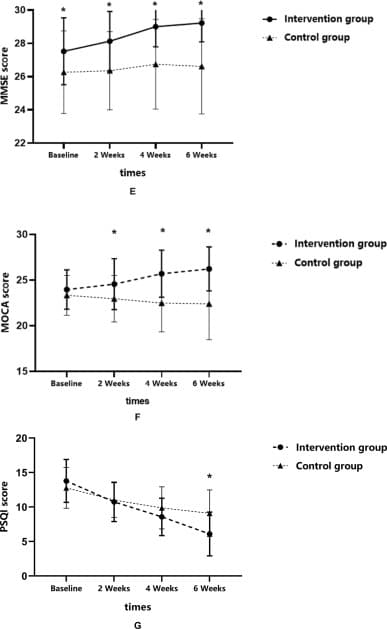
The pilot randomized trial split the first-year students into two groups: one received a mindfulness-based intervention, and the other went into an active control condition. After the program, both groups reported lower stress and anxiety. The split showed up in a more sensitive measure, though, not in the simplest numbers people often look at first.
That measure was nonlinear heart-rate variability, a way of reading how flexibly the body’s stress system is working. The mindfulness group showed lower DFA α1 values than the control group when stress hit. Ordinary heart rate and RMSSD, a more common heart-rate variability marker, did not separate the groups. In plain terms, the study suggests the intervention may have changed how the body organized itself under pressure, even when the standard summary measures looked similar.
That matters because heart-rate variability is tied to the autonomic nervous system, the body’s automatic regulator for everything from breathing and pulse to fight-or-flight reactions. The authors framed mindfulness as a possible way to shift the body toward parasympathetic dominance during stress, which is the calmer, rest-and-digest side of that system. The point is not just that participants said they felt less stressed. It is that a short intervention may have nudged the physiology behind the feeling.
The study, published on April 11, 2026, was small and preliminary, with just 25 students, all of them first-years rather than a clinical population. That keeps the findings from going too far. A pilot like this cannot prove the effect will hold in larger groups, in older adults, or in people dealing with chronic stress. But it does give teachers, campus wellness staff, and workplace program designers something concrete to work with: a six-week mindfulness intervention can show a measurable difference in a sensitive biological stress signal, even when the usual pulse-rate readouts do not tell the full story.
This article was produced by Prism’s automated news system from verified source data, official records, and press releases, then run through automated quality and moderation checks before publishing. The system is built and supervised by the people who set the standards it runs under. Read our full AI policy.
Did this article answer your question?