Danny Dyer urges mindfulness lessons in schools to ease anxiety
Danny Dyer linked his own anxiety management to rehab in South Africa and pushed schools to teach mindfulness as a basic life skill, not a wellness extra.

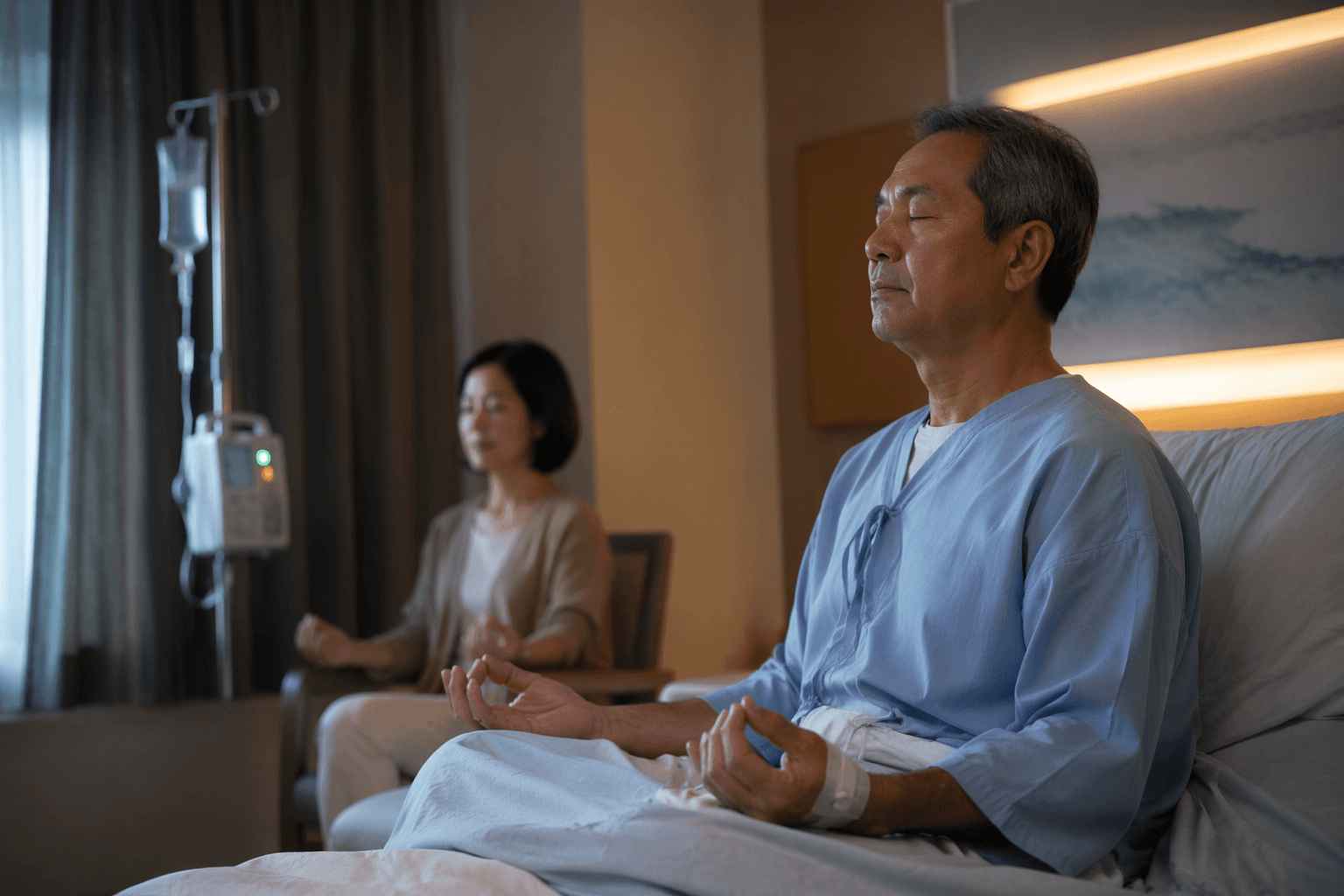
Danny Dyer has used a personal interview to argue that mindfulness belongs in schools, tying the case to his own experience of learning exercises during a rehabilitation stint in South Africa. The actor said those practices helped him sit with thoughts and feelings instead of running from them, and he cast mindfulness as a practical way to ease anxiety before it swallows a young person’s day.
What makes his argument land is that he described mindfulness in stripped-down, usable terms: breathing, awareness and the discipline of noticing fear without letting it drive the whole system. He also pushed back on the stereotype that meditation is just sitting still and making sounds. In his telling, the point is to train the brain to calm itself, which is exactly why he sees it as something children should learn early rather than as an optional adult wellness habit.
That message overlaps with the way schools in England are already being asked to think about emotional wellbeing. The Department for Education says good mental health and wellbeing help pupils attend school, build life skills, engage in learning and achieve academically, and it says schools can appoint a mental health lead. NICE also recommends a whole-school approach to social, emotional and mental wellbeing in primary and secondary education, which puts mindfulness in the same conversation as pastoral care, behaviour, attendance and safeguarding.
The policy backdrop is not abstract. NHS England says mental health support teams have been rolling out in schools and colleges since 2018/19, and the government said in 2025 that the expansion should reach 900,000 more pupils and cover six in ten children across the country. That rollout reflects a youth mental health picture that is already hard to ignore. In October 2024, the World Health Organization and UNICEF said about 1 in 7 people aged 10 to 19 have a mental health condition, and that one-third of mental health conditions emerge before age 14, with half before age 18.
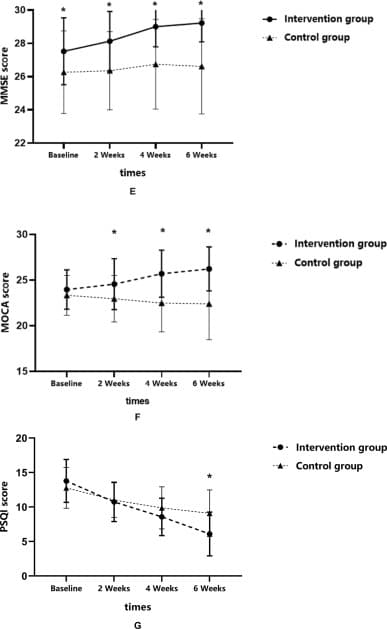
The evidence for school mindfulness is encouraging, but it is not a blank cheque. NICE says some evidence shows mindfulness interventions can support social, emotional and mental skills in schoolchildren and may help academic outcomes in secondary pupils. A 2024 evidence summary from the Mindfulness in Schools Project said reviews found small to moderate effects on burnout, anxiety, depression and stress. Recent school studies have added to the case, including a 2024 randomized cluster trial in elementary pupils that found improvements in well-being and mental health, and a controlled intervention in Spain that worked with 1,399 students aged 9 to 16 through daily brief sessions over 10 weeks.
For parents and educators, the hard question is not whether mindfulness sounds good, but whether it can be built properly. Dyer’s comments point toward the conditions that matter most: protected curriculum time, teachers who are trained to deliver it, a secular framing that keeps it accessible, and realistic claims about what it can and cannot do. That is where mindfulness stops being a slogan and starts looking like part of a serious school response to anxiety and emotional regulation.
This article was produced by Prism’s automated news system from verified source data, official records, and press releases, then run through automated quality and moderation checks before publishing. The system is built and supervised by the people who set the standards it runs under. Read our full AI policy.
Did this article answer your question?