Harvard researchers map brains to tailor mindfulness for anxiety and stress
Harvard’s brain-mapping push could move mindfulness beyond one-size-fits-all advice, matching practices to anxiety, stress and depression profiles.
Harvard-affiliated researchers are trying to make mindfulness more precise, using brain-mapping to match practices to the people most likely to benefit from them. For readers used to general meditation advice, the shift matters because the goal is no longer just to recommend a daily sit, but to understand which kinds of minds may need which kind of support for anxiety, stress and depression.
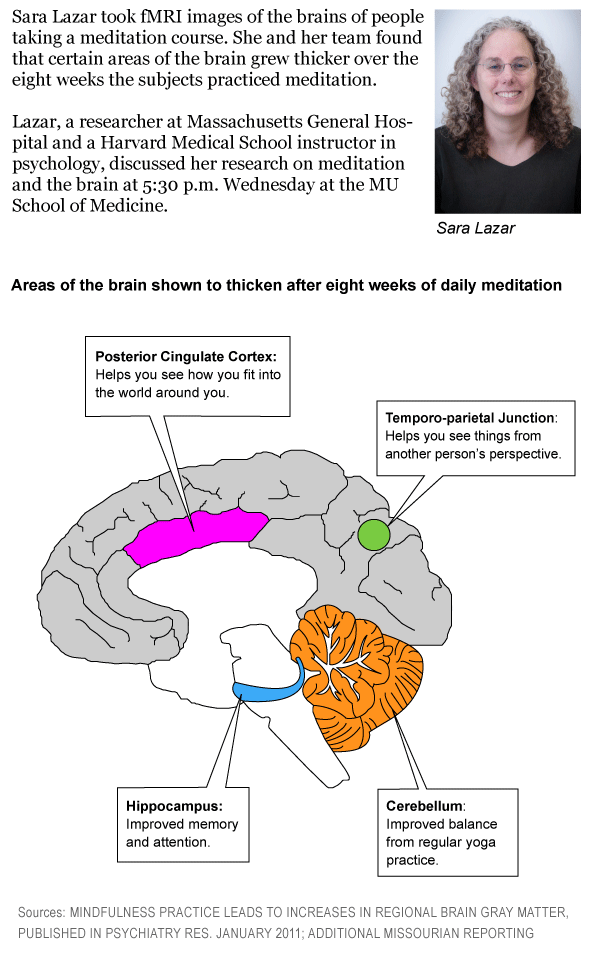
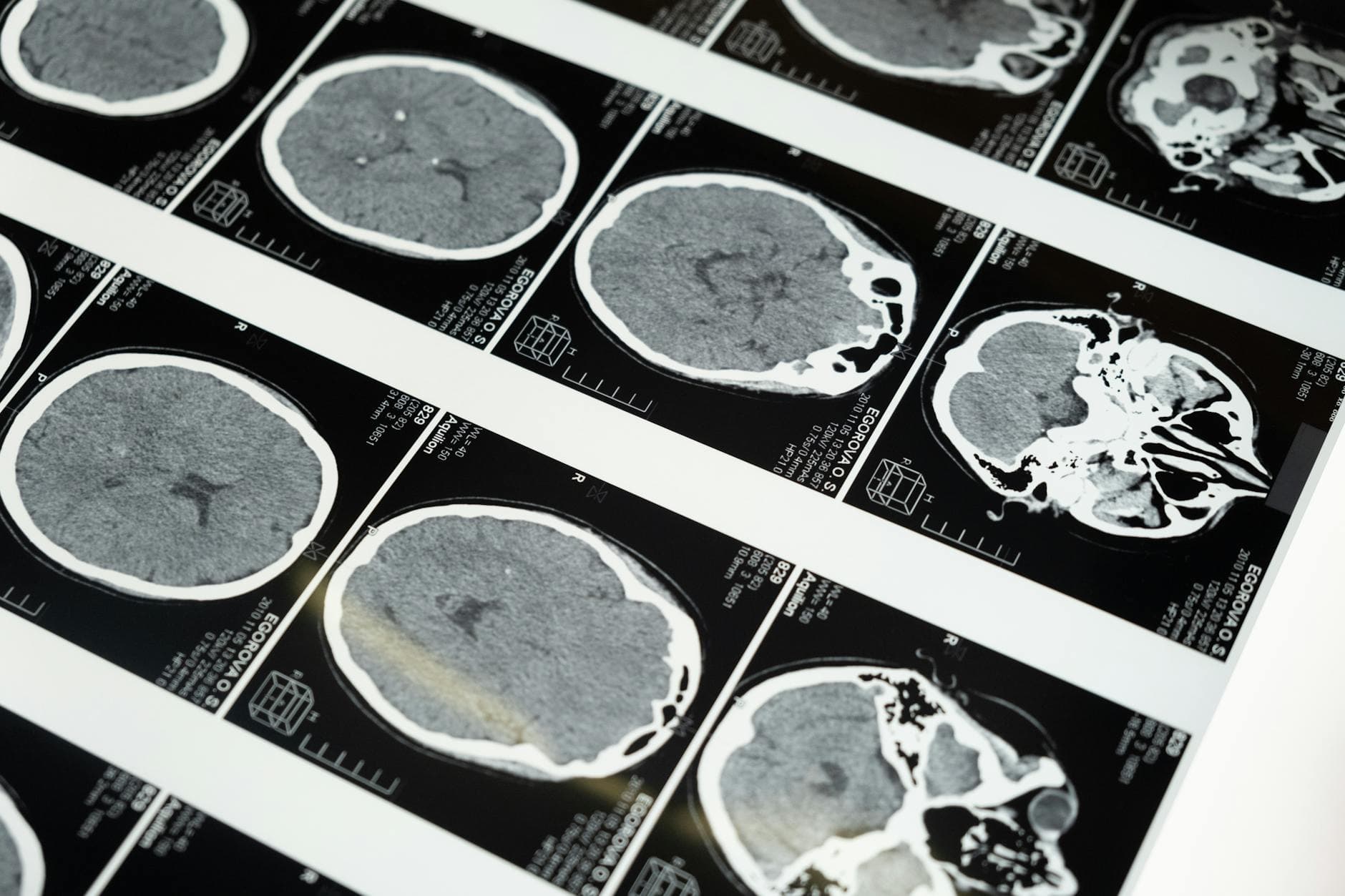
At Massachusetts General Hospital and Harvard Medical School, researchers have long studied how mindfulness meditation may change the brain in depressed patients. Sara Lazar’s lab at Massachusetts General Hospital has used MRI to examine the neural mechanisms behind the benefits of yoga and meditation, and Harvard Health has reported that meditation can change the structure and connectivity of brain areas involved in fear and anxiety. Harvard Health has also said regular meditation may help by changing how the brain responds to stress and anxiety.
That background is now feeding a larger effort to personalize treatment. The Meditation Research Program, based in Massachusetts General Hospital’s Department of Psychiatry and affiliated with Harvard Medical School, says its mission is to advance scientific understanding of advanced meditation while building education and resources. The program has also acknowledged that meditation research has largely focused on clinical applications of mindfulness, a reminder that the field is still much stronger on broad promise than on individualized prescriptions.
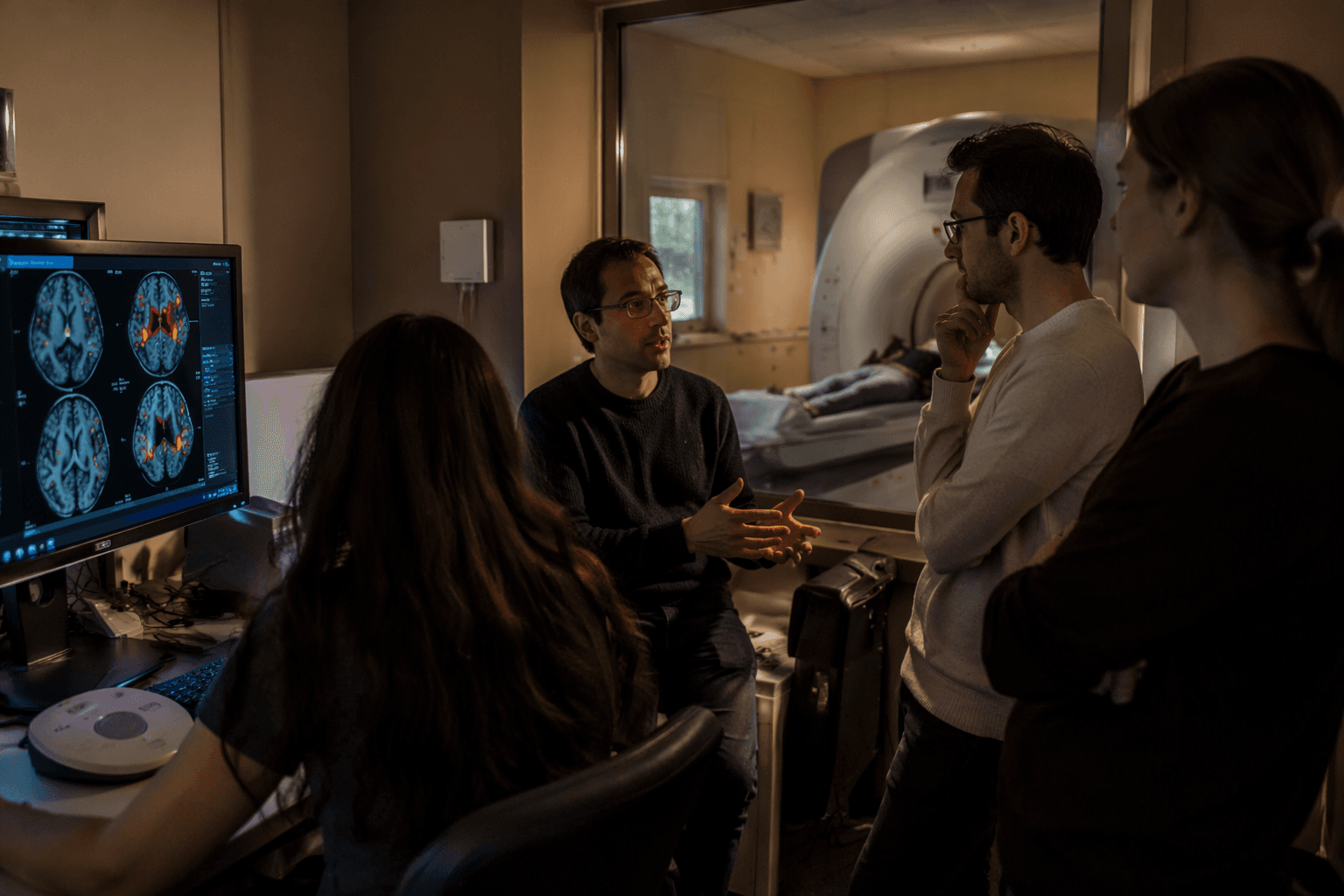
The practical gap is clear. A person dealing with panic, chronic stress or low mood may not need the same practice, pacing or level of guidance as someone looking for general resilience. Harvard Medical School has noted that personalized treatment in depression remains a major challenge, with some patients needing multiple tries before finding an effective drug. Mindfulness is beginning to face the same question: not whether it can help, but for whom, in what format and under what conditions.
The caution is just as important as the optimism. Harvard Gazette reported in May 2024 that altered states linked to yoga, mindfulness, meditation and breath work were more common than expected, and that many people reported benefits while a substantial minority reported negative experiences. That is exactly why brain mapping could matter, but also why it cannot yet be treated like a simple consumer diagnosis. The new center of gravity is still research, not a ready-made app or clinic protocol.
Harvard’s broader meditation ecosystem has only deepened that message. The university launched the Thich Nhat Hanh Center for Mindfulness in Public Health in 2023, while Danny Penman also highlighted the work alongside free meditation resources. For now, the promise is not a miracle method, but a more exact fit between the brain in front of a researcher and the mindfulness practice offered back.
Know something we missed? Have a correction or additional information?
Submit a Tip