Mindful Journey app shows promise for substance use recovery support
A 15-lesson phone app kept users engaged at 9.4 lessons on average and cut substance use in a 36-person pilot.
A phone app built around short mindfulness lessons, breath pauses, and curiosity-based coping kept 36 adults with substance use disorders engaged at a meaningful rate, with participants completing an average of 9.4 of 15 lessons and 90% of eligible people entering the trial.
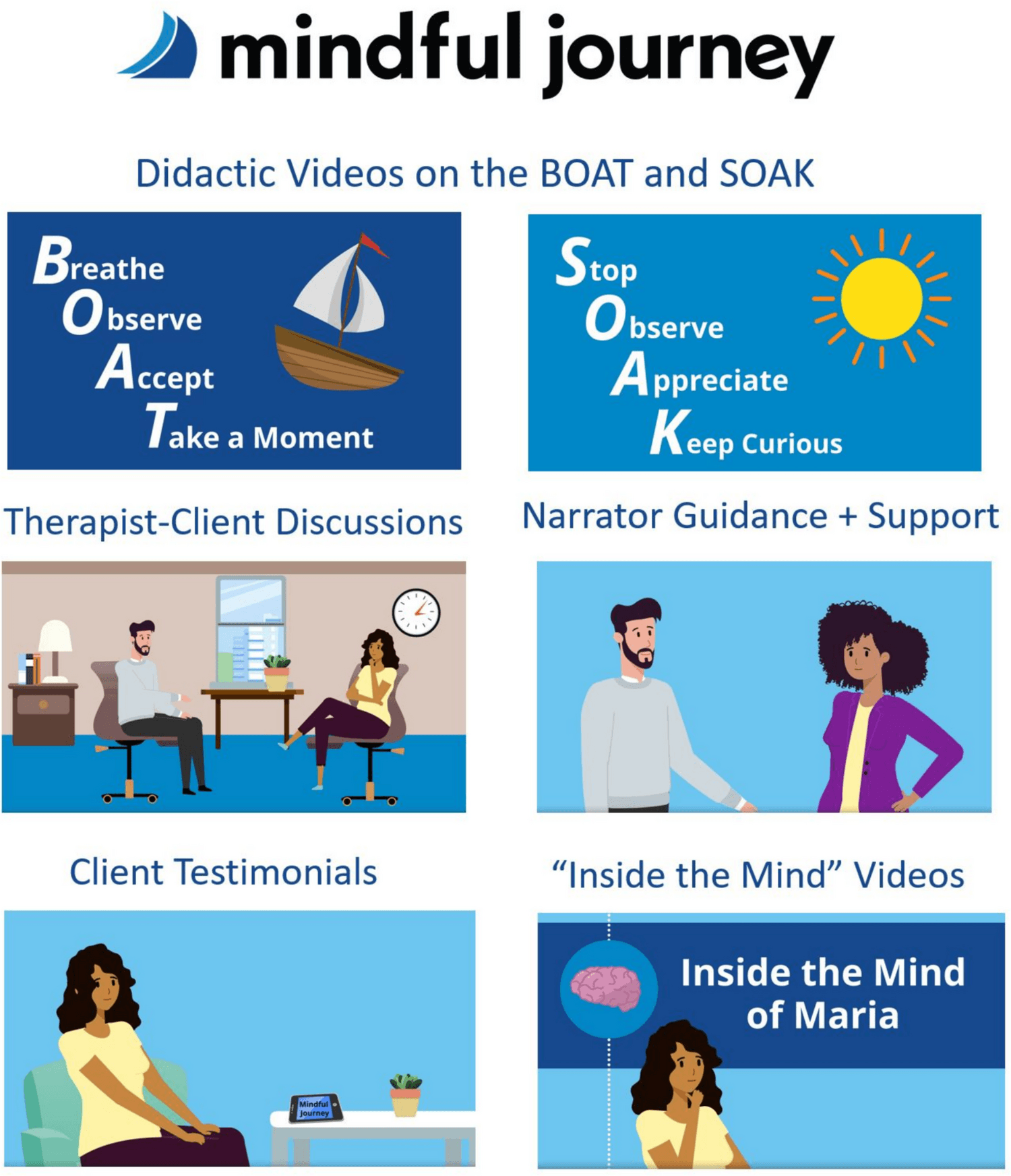
Mindful Journey is designed to make recovery support easier to use between appointments. In the earlier development work, the app delivered 15 digital lessons that each ran 30 to 45 minutes, paired with weekly brief phone coaching for motivational and technical support. Users were taught the BOAT skill, short for Breath, Observe, Accept, Take a Moment, and later the team added SOAK, short for Stop, Observe, Appreciate, Keep Curious, after participants responded well to the first version. That matters in recovery settings because the app asks for concrete, repeatable actions, not abstract meditation theory.

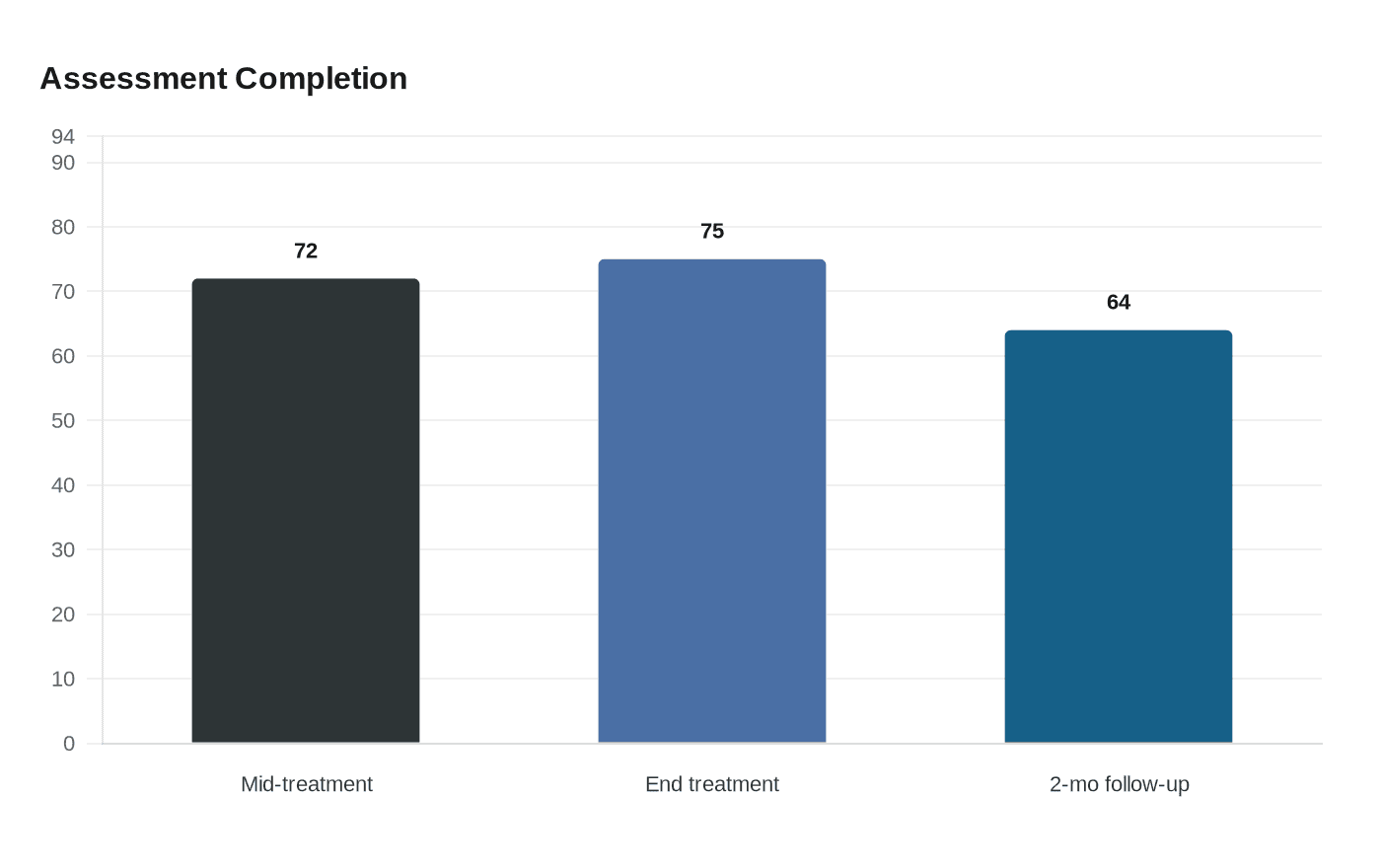
The pilot randomized controlled trial tested the app alongside treatment as usual against treatment as usual alone. Seven participants dropped out after randomization, but engagement remained solid enough for a digital recovery tool, with assessment completion at 72% at mid-treatment, 75% at end of treatment, and 64% at the 2-month follow-up. Ecological momentary assessment completion was 66% before treatment and 52% after treatment, giving the study a real-world feel that went beyond a simple app download.
The Mindful Journey group showed significant reductions in substance use and substance-related problems, with effect sizes ranging from Cohen’s d = 0.57 to 1.13. The comparison group did not show changes in substance use, though it did show reductions in substance-related problems and psychological distress by the end of treatment that were not sustained at follow-up. The pilot did not find significant changes in the planned psychological mechanisms, including emotion regulation, which is a reminder that clinical gains can arrive before the full explanation does.
The larger arc is encouraging. A 2020 systematic review of mindfulness-based programs for substance use disorders found 30 eligible studies and concluded these approaches appear as effective as existing evidence-based treatments for reducing use, cravings, and related problems. A 2025 virtual mindfulness recovery trial for opioid use disorder reached 196 participants across 16 U.S. states. Mindful Journey is now also being studied in a smartphone app version for opioid use disorder and chronic pain, with a study start date of February 10, 2026 and estimated primary completion on July 30, 2026.
What to watch next is clear: larger trials, clinician adoption, and whether app-based mindfulness can widen access in places where in-person programs are scarce. For recovery care, that could turn a guided pause into a sturdier bridge between visits.
This article was produced by Prism’s automated news system from verified source data, official records, and press releases, then run through automated quality and moderation checks before publishing. The system is built and supervised by the people who set the standards it runs under. Read our full AI policy.
Did this article answer your question?