Mortis launches Matrix, a meditation app that measures mindfulness with HRV
Mortis’s Matrix turns meditation into a live HRV readout, promising beginners proof that a session changed their nervous system.

Mortis is betting that the fastest way to help people who think they are bad at meditating is to show them proof. Its new app, Matrix, launched on iOS on April 18 and uses heart-rate-variability data to choose a practice, then checks in real time whether the session shifted the user’s nervous-system state.
The setup is unusually specific. Matrix pulls from wearable data, calendar context and a 30-second voice check-in in which the user describes how they feel before a session. From there, it picks one of 132 frequency-tuned guided practices. After the meditation ends, the app compares pre- and post-session HRV through Apple HealthKit and tells the user whether the number moved in the intended direction. If it did not, Matrix says so and adjusts the next prescription.
That feedback loop is what makes the app stand out in a crowded field. Apple’s HealthKit documentation defines HRV here as SDNN, the standard deviation of inter-beat intervals between normal heartbeats, which matters because Matrix is not chasing a vague wellness score. It is tying the experience to a measurable signal. In mindfulness research, that idea has some support: a 2020 randomized controlled trial found HRV was enhanced during mindfulness practice in a 10-day online intervention, and a 2025 systematic review concluded that brief mindfulness meditation can affect HRV, while also noting gaps in the evidence.
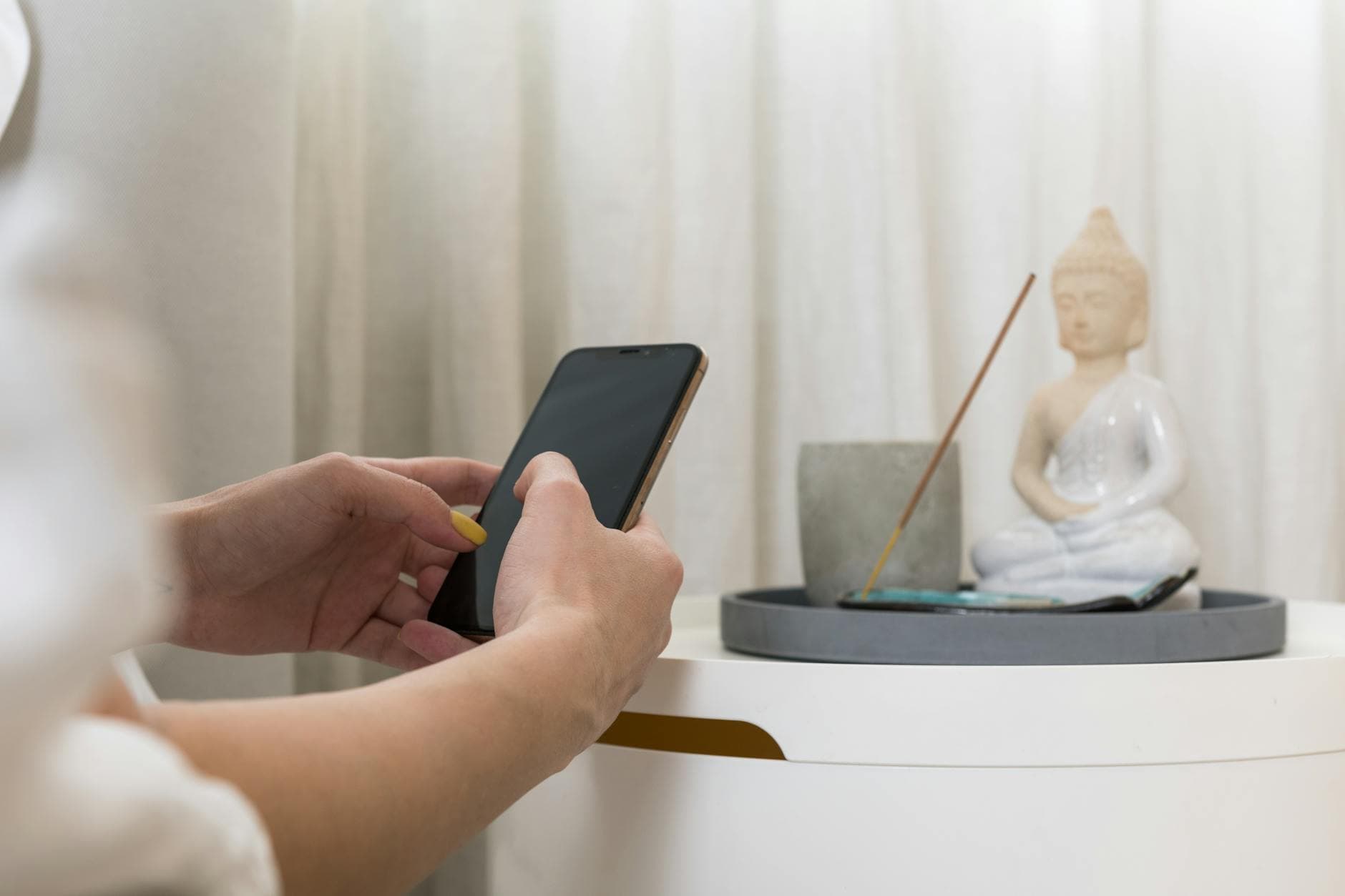
Mortis leaned into the spectacle of the launch as well. The App Store listing placed the event at Cooper Classic, 137 Perry Street in New York, with a 6:30 PM ET livestream. The listing also described Matrix as an interactive 3D visualization built around 481 nodes across four pillars: frequencies, breathwork, postures and instruments. That is a far more data-rich pitch than the average meditation app, which usually stops at guided audio and streaks.
The timing fits a larger, increasingly competitive market. Calm describes itself as the #1 mental health app, while Headspace says it was founded in 2010 and offers evidence-based meditation and mindfulness tools. A 2025 market report projected the mindfulness meditation apps market would grow from $1.2 billion in 2024 to $3.2 billion by 2033. Matrix is trying to carve out its lane by making mindfulness feel less like a private guess and more like a live measurement, which could be exactly what some beginners need and exactly what others may find turns practice into another metric to manage.
This article was produced by Prism’s automated news system from verified source data, official records, and press releases, then run through automated quality and moderation checks before publishing. The system is built and supervised by the people who set the standards it runs under. Read our full AI policy.
Did this article answer your question?