Utah expert links mindfulness, yoga, and deep breathing to easing stress
A Utah Public Radio feature turns stress relief into a usable reset: breathe, move, and break the rumination loop before it snowballs.
A practical reset, not a wellness sermon
A slow breath, a few gentle movements, and a clean break from the mental replay can do more than a lot of vague advice about relaxation. That is the useful message in Utah Public Radio’s feature with Emma Parkhurst, a Health and Wellness Extension Professor in Utah State University’s Home and Community department.
The timing fits Stress Awareness Month, which has been recognized every April since 1992. The point of the segment is simple and refreshingly unglamorous: stress relief works better when it is treated like a small, usable habit, not a grand transformation.
Parkhurst’s framing also lands because it respects how stress actually behaves. Stress can spiral when you keep thinking about it without interruption, and the real win is not pretending the problem is gone. It is creating enough space to regulate your response and make room for a better next step.
Why yoga, breathing, and mindfulness belong in the same toolkit
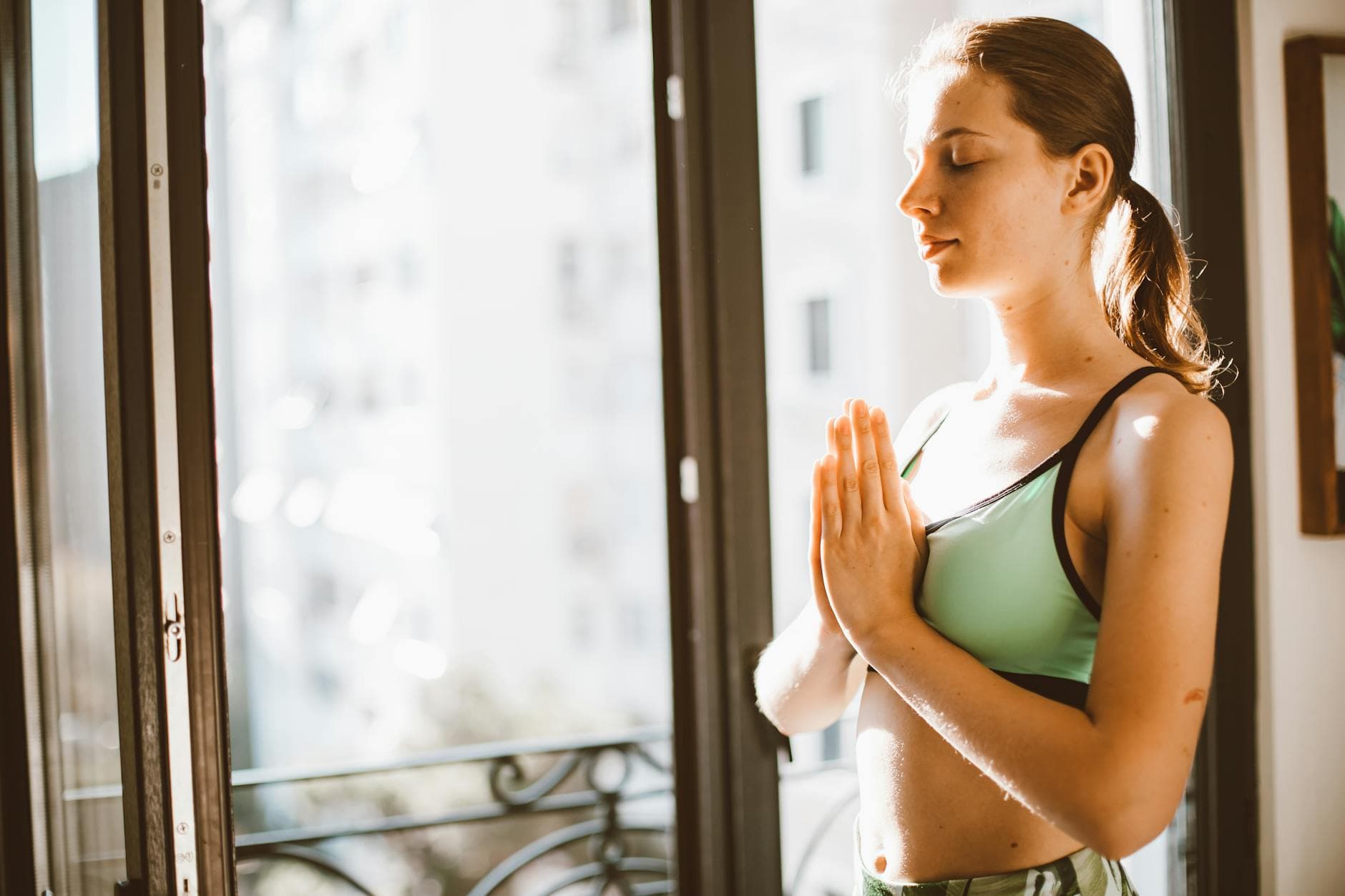
Parkhurst’s most practical point is that yoga already blends two things people often separate: mindfulness and physical motion. That combination matters because you are not just sitting still and hoping the noise in your head fades. You are practicing awareness while moving, which can feel more accessible than formal meditation for people who are restless, busy, or already keyed up.
Deep breathing gets the same treatment. Parkhurst describes it as a signal to the brain and body to lower heart rate and cortisol, which gives the practice a physiological job instead of a vague spiritual one. That is often what makes people stick with breathwork: it feels less like “trying to relax” and more like telling the nervous system to ease off the gas.
The broader public-health case backs that up. The Centers for Disease Control and Prevention says everyone experiences occasional stress, and long-term stress can worsen health problems. It also recommends relaxation techniques such as deep breathing, yoga, and meditation as part of emotional well-being, which makes Parkhurst’s advice feel less like a trend and more like standard maintenance.
A same-day routine you can try without special gear
The best part of this kind of guidance is that it can be used immediately. You do not need a retreat, a perfect mat setup, or a heroic amount of free time. You need a few minutes, a little privacy if you can get it, and a willingness to interrupt the spiral.
Here is a simple reset built from Parkhurst’s message:
1. Pause and take three slow breaths, making the exhale longer than the inhale.
2. Stand up and move through a few slow yoga motions, keeping your attention on how the body feels while it moves.
3. Notice whether your mind is stuck replaying the same stressor, then deliberately shift attention to one concrete task in front of you.
4. If your thoughts are still racing, keep breathing slowly for another minute and let the body do some of the work.
That sequence matters because it hits stress from more than one angle. Breath helps downshift the physical response. Movement gives the mind a different channel to follow. Attention shifting interrupts rumination, which is often the part that turns a manageable problem into a daylong loop.
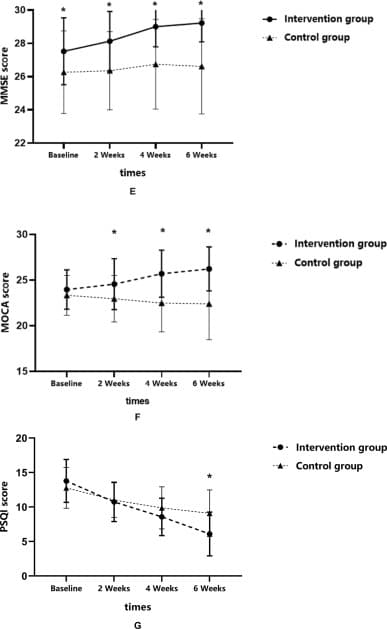
A 2024 study in *Nature Human Behaviour* found that self-administered mindfulness interventions reduced short-term self-reported stress, with the strongest reduction seen in a body scan condition. That does not mean mindfulness fixes every problem, but it does support the idea that a short, guided practice can change how stress feels in the moment.
Why this feels credible, not catchy
Parkhurst’s background gives the advice real weight. Her Utah State University directory page identifies her as a certified health education specialist, and it lists a bachelor’s degree from Colorado Mesa University and a master’s degree from the University of Utah. That is the kind of training that makes her sound like an educator who understands behavior change, not a commentator tossing out wellness slogans.
That matters in a month like this because people are flooded with oversimplified advice. Parkhurst does not sell mindfulness as the only answer, and she does not pretend everyone should respond to stress the same way. Instead, she presents a menu: move, breathe, redirect attention, or use meditation when that fits the moment better.
That menu approach also lines up with what the National Center for Complementary and Integrative Health says about meditation and mindfulness. The agency generally considers these practices low-risk, and it notes that U.S. adult meditation use more than doubled between 2002 and 2022, rising from 7.5 percent to 17.3 percent. In other words, this is no longer fringe behavior tucked into a niche corner of wellness culture.
A 2024 review makes the case for yoga in equally concrete terms, especially when it includes slow controlled movement and breathing. Those elements can help reduce heart rate and engage the parasympathetic stress-response system, which is exactly why a few minutes of movement can feel like it changes the whole tone of a day.
The value of a local public-radio guide
What makes Utah Public Radio’s take worth sharing is its plainspoken, public-service tone. It comes from Utah State University Extension, through a professor who works in health and wellness, and it translates stress management into language people can actually use at work, at home, or between classes.
That is the right scale for mindfulness coverage right now. The strongest message is not that everyone needs to become a meditator. It is that a brief breath practice, a short yoga sequence, or a minute of attention reset can interrupt the stress loop before it hardens into something bigger.
For anyone looking for a same-day answer, that is enough to start with.
This article was produced by Prism’s automated news system from verified source data, official records, and press releases, then run through automated quality and moderation checks before publishing. The system is built and supervised by the people who set the standards it runs under. Read our full AI policy.
Did this article answer your question?