Mindful Teaching Linked to Greater Innovation Among Chinese Schoolteachers
A survey of 636 Fujian teachers found mindfulness in teaching was tied to more innovation, with work engagement and job crafting helping drive the effect.
A survey of 636 primary and secondary school teachers in Fujian Province, China, suggests mindful teaching may do more than steady a classroom. It may help teachers generate new ideas, reshape their work, and show more innovative behavior on the job.
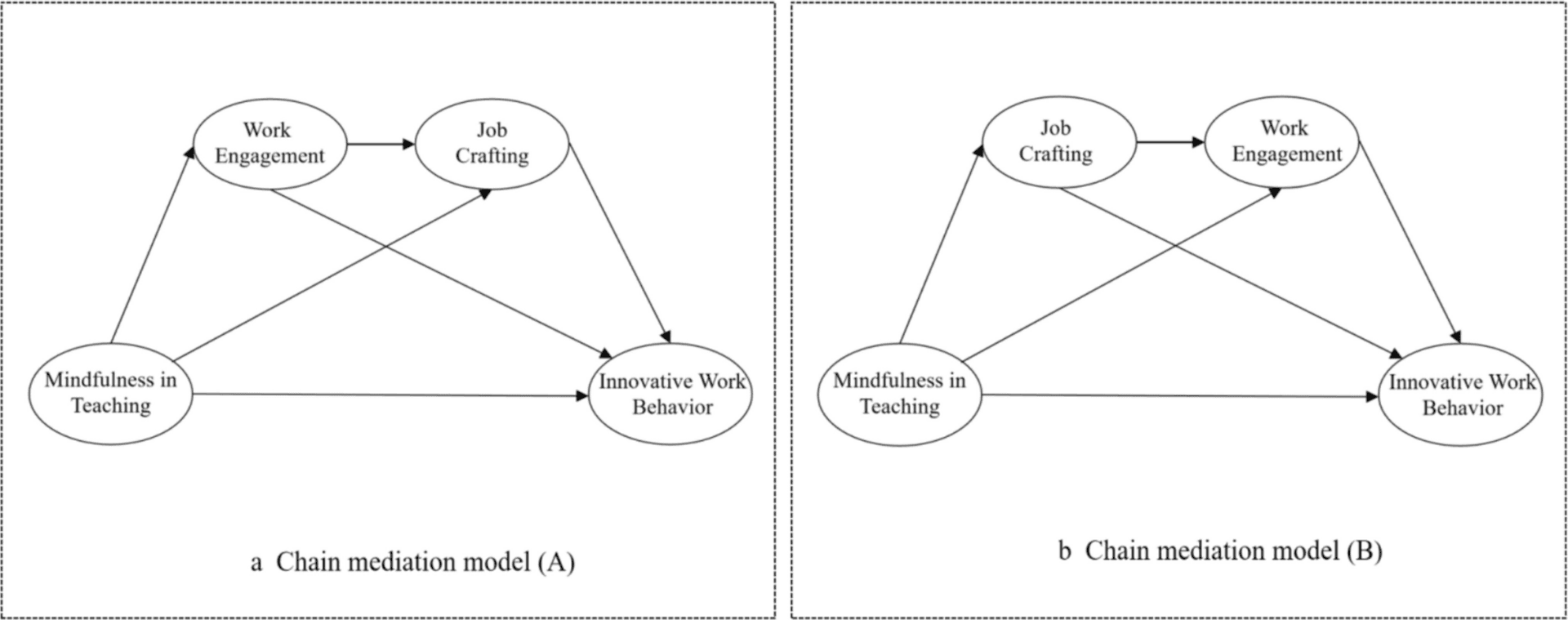
The study linked mindfulness in teaching to teachers’ innovative work behavior through the Job Demands-Resources model, a framework that looks at how personal and workplace resources shape motivation and performance. The relationship was not just direct. Work engagement and job crafting each helped mediate the effect, creating a spiral-gain pattern in which the more engaged teachers became, the more they adjusted and redesigned their work, which in turn fed further engagement.
That matters because “innovative work behavior” is not an abstract label. In school life, it means a teacher who tries a new lesson structure, adapts an assignment to fit a different group of students, experiments with a fresh classroom routine, or finds a better way to organize collaboration and feedback. In a system under pressure, that kind of flexibility can shape what students experience day to day, how lessons are designed, and how open a school culture is to smart change instead of just compliance.
The paper positions mindfulness in teaching as a professional development tool, not only a wellness practice. That distinction is important for principals and district leaders looking at retention and creativity together. The Organisation for Economic Co-operation and Development has described modern education systems as facing growing teacher shortages, frequent turnover and low attractiveness in the profession. Against that backdrop, a training approach that supports initiative and adaptability has obvious appeal.
The new findings also fit with earlier research that has already linked mindfulness-based interventions for K-12 teachers to lower stress and burnout, along with better emotion regulation and self-efficacy. A 2021 review chapter placed mindfulness in education within broader conversations about holistic well-being and whole-child learning. This study pushes the conversation a step further by tying mindfulness to observable workplace behavior, not just calmer feelings.
For school systems, that is the real shift: mindfulness is no longer only about helping teachers cope. In Fujian, it was associated with teachers who were more likely to engage, craft their jobs differently and bring more inventive behavior into the classroom.
Know something we missed? Have a correction or additional information?
Submit a Tip