UNC adds guided meditation and wellness resources for Mental Health Awareness Month
UNC is turning Mental Health Awareness Month into a workday-friendly menu of 15-minute meditations, webinars, and benefits staff can actually use.
A 15-minute meditation at 12:30 p.m. is UNC’s newest answer to the most ordinary workplace problem: not enough time to reset between meetings. The university’s Human Resources page, dated April 29, 2026, folds guided mindfulness into a broader Mental Health Awareness Month package built for staff and faculty who need support that fits inside a real workday.
A short sit built for the middle of the day
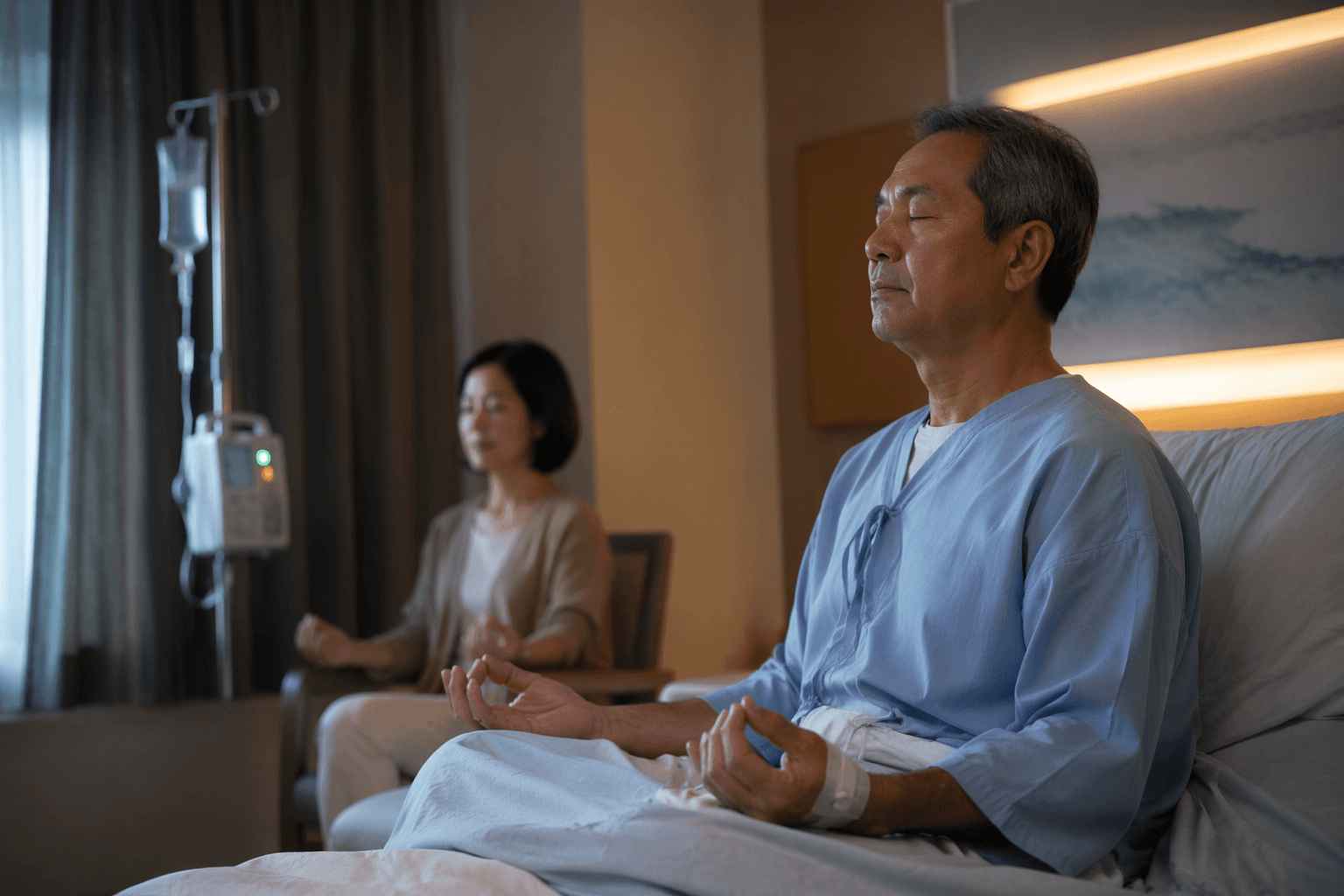
The most concrete mindfulness offering is Inhaling Positivity, a virtual guided meditation offered Mondays, Wednesdays and Fridays at 12:30 p.m. UNC describes it as 15 minutes of guided work focused on breathing, meditation and emotional detox, and one event listing notes that no registration is required. That matters because it removes the usual friction that keeps workplace wellness programs from being used at all: no travel, no waitlist, no hour-long commitment, just a short live session that can fit between obligations.
UNC has been building this cadence for a while. A January 2026 wellness roundup said Mindful UNC monthly community practices meet the first Wednesday of every month at 8:30 a.m. for 20 minutes, while Inhaling Positivity Mid-Day Meditations run every Monday, Wednesday and Friday at 12:30 p.m. for 15 to 20 minutes. The pattern is clear: the university is not treating mindfulness as a one-off perk, but as a recurring part of the workweek.
Why the university paired meditation with education
UNC’s Mental Health Awareness Month page does not stop at meditation. It also points employees to Wellness Wednesdays, Heels Care Network support, Employee Assistance Program resources and state health plan behavioral-health access, building a layered system that treats mindfulness as one entry point rather than the whole solution. That approach lines up with the university’s broader Total WellBeing framework, which spans mental, physical, social, intellectual and financial wellness and describes employee support as reaching “from head to heart to heels.”
The page’s Wellness Wednesday lineup shows how the university is trying to normalize mental health education alongside the guided sit. Upcoming topics include Mental Health Awareness for Leaders, Learning to Relax, Responding to Narcissism and Breathing Techniques to Relieve Stress. In other words, UNC is making room for both the moment of calm and the conversation that helps people understand why they are stressed in the first place.
Wellness Wednesday sessions are typically 45 to 60 minutes and held on Wednesdays at noon, with registration opening in Carolina Talent 24 hours before each session. That detail matters for adoption. A system that is easy to find, easy to book and easy to repeat is far more likely to become part of a staff member’s actual routine than a wellness offering buried in a hard-to-navigate benefits portal.
What employees can use when a short meditation is not enough
UNC’s mental wellness hub is designed to route people to the right level of support. The Heels Care Network offers trainings, 24/7 crisis support and a way to refer a friend for help. The university’s Employee Assistance Program, provided through GuidanceResources and ComPsych, offers free, confidential support around the clock, including counseling, Huddles, interactive online groups on specific well-being topics and a 10-question stress assessment.
UNC also says the EAP can help employees manage stress, anxiety, life transitions, relationship issues, financial concerns and more. For State Health Plan members age 13 and older, in-network behavioral health providers are available for a $10 or $15 copay per session, depending on whether they are covered under the Plus or Standard plan. The message is that meditation is not a substitute for counseling or medical support, but one useful access point inside a wider care system.
Why Mental Health Awareness Month lands with extra force in North Carolina
Mental Health Awareness Month itself has a long history. The campaign was founded by Mental Health America in 1949, and it has been observed every May to promote mental wellness nationwide. This year, North Carolina added its own signal: Governor Josh Stein proclaimed May 2026 as Mental Health Awareness Month in the state on May 1, and the North Carolina Department of Health and Human Services said nearly 1.5 million North Carolinians struggle with mental health issues.
The statewide need is amplified by access gaps. North Carolina says 94 of its 100 counties face a shortage of mental health professionals, even as the state has invested $131 million in statewide crisis system expansion. NCDHHS also says North Carolina is implementing an $835 million multiyear behavioral health plan to expand access to supports and services. That context gives UNC’s employee offering real weight: when access is uneven across the state, a university can make a difference simply by lowering the barrier to care during the workday.
What UNC’s model suggests for other employers
UNC’s package points to a workplace model that other large employers may increasingly copy. The structure is simple but smart: a 15-minute live meditation for immediate use, a recurring webinar calendar for education, and a clear support ladder for anything that needs more than a breathing exercise. Instead of separating mindfulness from benefits, UNC has bundled them together so employees can move from a short virtual sit to a webinar to counseling or behavioral-health care without having to start over each time.
That is what makes the May 2026 rollout feel bigger than a calendar of sessions. It is a workplace deployment story, one that treats mindfulness as practical infrastructure and not just a feel-good add-on. For staff and faculty trying to hold a day together between meetings, classes and deadlines, that kind of convenience may be the difference between a resource they admire and one they actually use.
This article was produced by Prism’s automated news system from verified source data, official records, and press releases, then run through automated quality and moderation checks before publishing. The system is built and supervised by the people who set the standards it runs under. Read our full AI policy.
Did this article answer your question?