Mindfulness app tested for depression in Thai adolescents
A structured 8-week mindfulness app was tested in 202 Thai teens with depression, in a country where youth suicide and self-harm remain a sharp public-health burden.
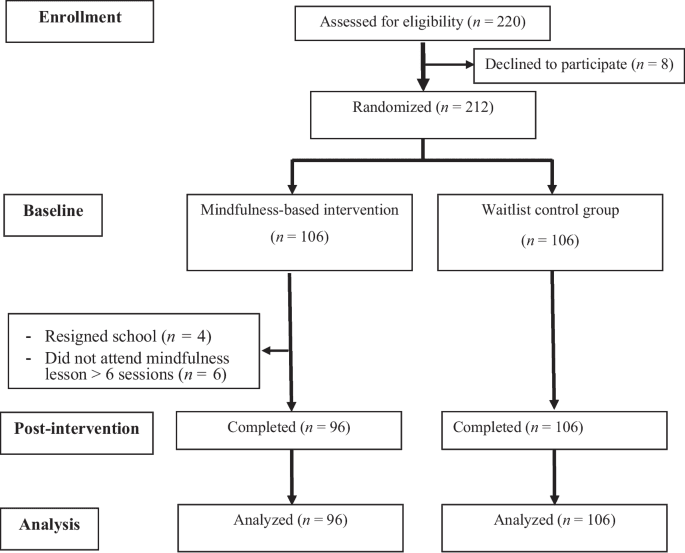
Mindfulness came packaged here as a schedule: 202 Thai adolescents with depression were randomized to a wait-list control or an 8-week MyMind app intervention, with depression, well-being, quality of life and mindfulness measured before the program and immediately after it. That setup matters because it tested digital mindfulness as a repeatable intervention, not a loose self-help download.
The setting was not abstract. UNICEF Thailand and the United Nations in Thailand have said 15% of the burden of disease for Thai 10- to 19-year-olds is tied to mental disorders and self-harm, suicide is the third leading cause of death for Thai 15- to 19-year-olds, and 17.6% of Thai 13- to 17-year-olds in the 2021 Global School-based Student Health Survey had recently seriously considered suicide. In that context, a phone-based tool is being asked to do work that schools, clinics and families are already struggling to cover.
The MyMind trial also landed in a field that already has some, if modest, support. A 2023 meta-analysis of 43 randomized controlled trials found small but significant effects for mindfulness apps on depressive symptoms, with g = 0.24, and on anxiety symptoms, with g = 0.28. That does not turn an app into treatment by itself, but it does show why researchers keep testing whether a phone can carry a real mindfulness protocol far enough to shift symptoms.
This was not the first Thai run at digital mindfulness. A pilot randomized trial of the Mind Space Application in Thai university students found benefits for stress, depression and mindfulness, and the MyMind project itself was shaped through Phase I interviews and focus groups with 10 depressed adolescents and 10 stakeholders, including teachers, school health providers and nurses, mental health and psychiatric instructors, and parents. That kind of input matters because teen use is as much about fit and trust as it is about content.
What the new trial suggests an app can do is deliver the same 8-week practice to a defined group and make its effects measurable against a wait-list control. What it cannot yet do, at least from this design alone, is stand in for ongoing care, longer follow-up, or the human support adolescents often need when depression is in the picture. For clinicians, school counselors and public-health planners, the useful reading is not app instead of care, but app as one more support layer that can be deployed when a structured, low-barrier option is the difference between no practice and some practice. That is the narrow promise here: a pocket-sized practice that can reach teens who will not make every in-person session, while staying clearly inside the larger circle of care.
This article was produced by Prism’s automated news system from verified source data, official records, and press releases, then run through automated quality and moderation checks before publishing. The system is built and supervised by the people who set the standards it runs under. Read our full AI policy.
Did this article answer your question?