Study finds online mindfulness training matches in-person results
A May 12 study says online MBSR can match in-person results, especially when brief individual interviews are built in. The real edge is access without losing support.
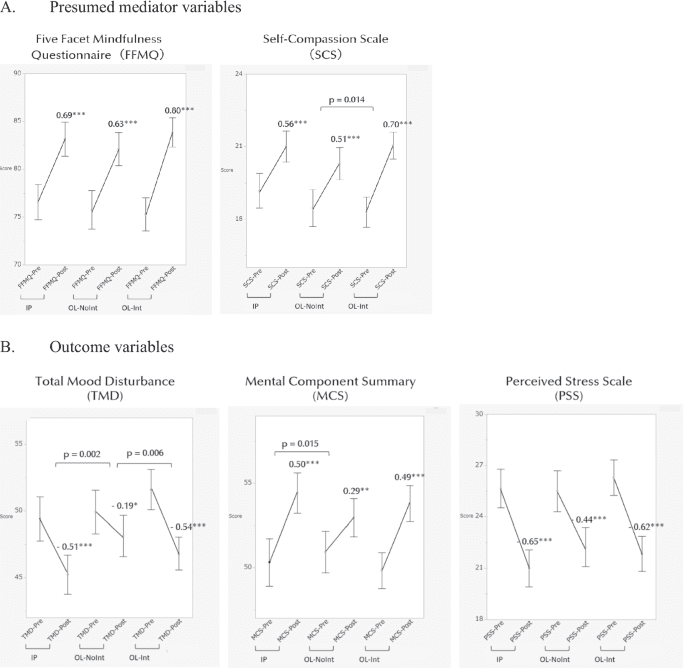
For people deciding whether to take MBSR by laptop or in a room, the new message is less about format purity and more about structure. The May 12 paper found that online mindfulness-based stress reduction can land in the same place as in-person delivery, but only when the program keeps a human touch through brief individual interviews. That detail may be the difference between a remote class that feels supported and one that feels like a recording wearing a teacher’s voice.
That matters because MBSR has always been more than a meditation app with a syllabus. Jon Kabat-Zinn developed the original eight-week program in 1979 at the Stress Reduction Clinic at UMass Medical Center in Worcester, Massachusetts, and UMass Memorial Health says hundreds of thousands of people around the world have now completed it. The format has gone global because it works in real life, not just in theory. The question after the pandemic was whether moving it onto screens would blunt what makes the practice stick.
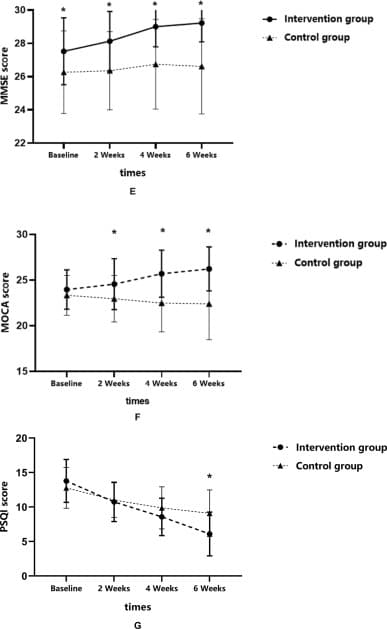
The new study says the answer depends on how the online course is built. The authors retrospectively compared online and in-person MBSR and focused on whether adding short one-on-one interviews changed the experience. Their conclusion points in a practical direction: online MBSR may be as effective as in-person delivery when those interviews are part of the design, and instructor factors appear to play a crucial role in making remote teaching work.
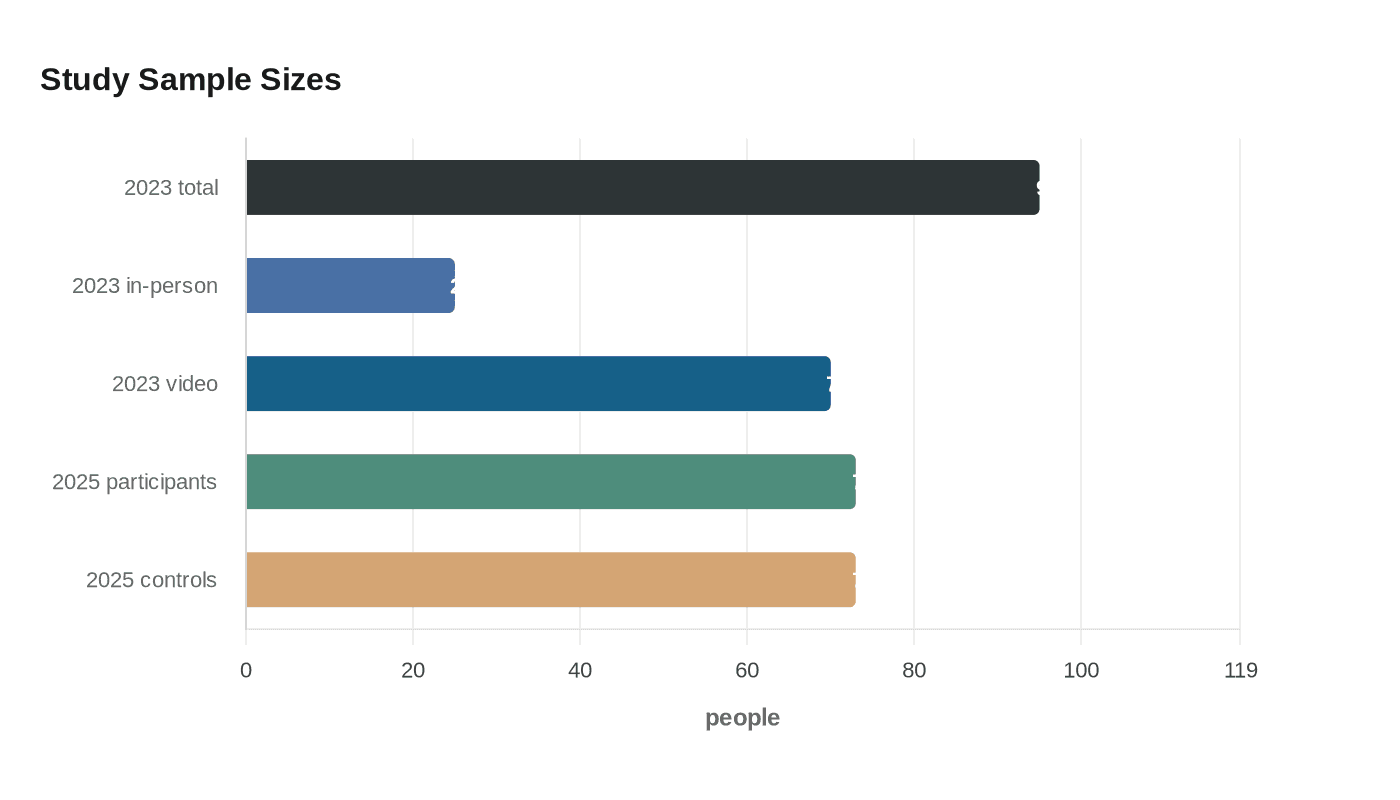
That conclusion lines up with earlier comparative studies. In a 2023 retrospective cohort from a large academic health center in Central Pennsylvania, 95 adults completed MBSR, 25 in person and 70 by video. Both groups showed significant pre-to-post drops in stress, anxiety, and depression, with no statistically significant difference between delivery modes. A 2025 nursing-education study found the same broad pattern: 73 MBSR participants, matched with 73 controls, showed lower perceived stress, exhaustion, and total burnout, along with higher positive affect, and the effects were similar whether the classes were online or in person.
For readers choosing a format, the tradeoff is now pretty clear. Online MBSR buys convenience, reach, and a way in for people juggling work, caregiving, illness, or transportation barriers. In-person MBSR still offers the room itself, the shared silence, and the subtle accountability that comes from showing up. But the new paper suggests the most important design feature may be something smaller: a brief interview that keeps a remote student from feeling like they are practicing alone.
This article was produced by Prism’s automated news system from verified source data, official records, and press releases, then run through automated quality and moderation checks before publishing. The system is built and supervised by the people who set the standards it runs under. Read our full AI policy.
Did this article answer your question?