Mindfulness means different things to students in India and the US
Mindfulness looks familiar until students define it differently: in India, meditation leads; in the US, awareness, movement, reflection, and relationships widen the frame.
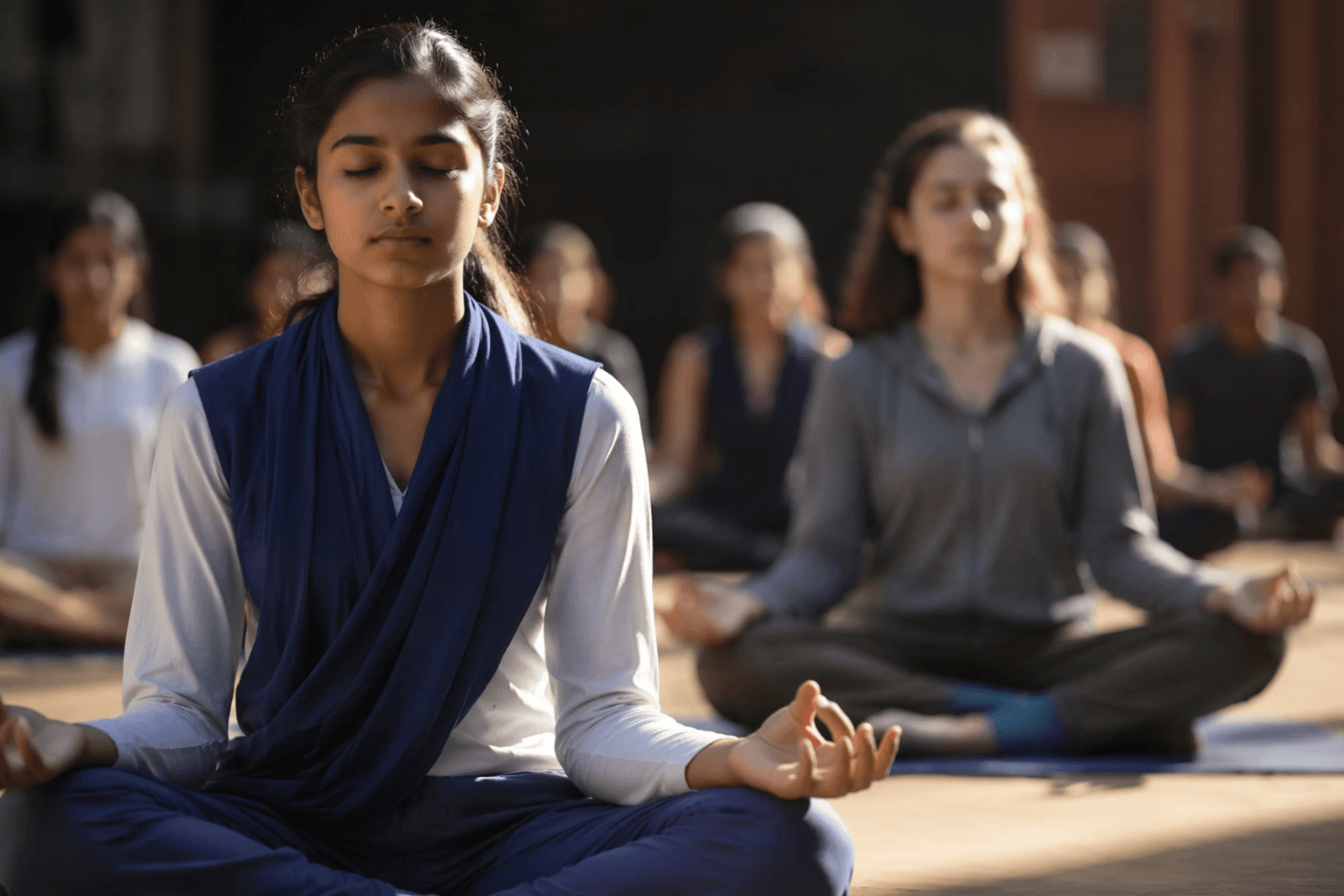
In a survey of 512 college students in India and 508 in the United States, the word “mindfulness” opened onto different habits, different barriers, and different goals. The answers were gathered through open-ended questions and read through an inductive content analysis inside a post-positivist realist framework, with reflexive team discussions used to keep the interpretation transparent and careful.
When one word carries two campus cultures
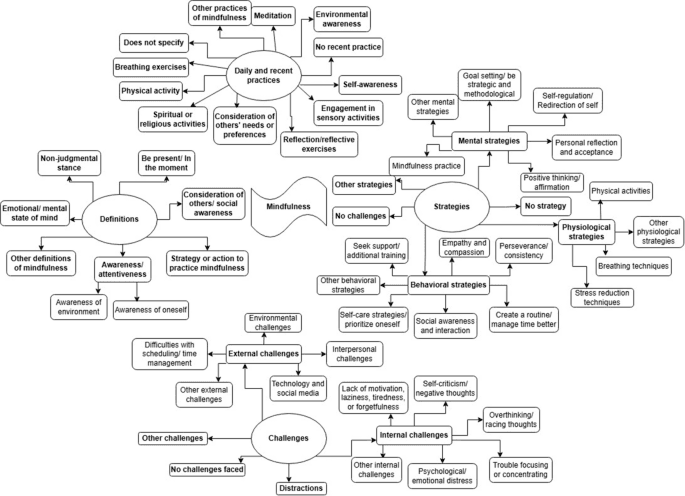
Seven major themes emerged in the way students defined mindfulness, and U.S. students were more likely to frame it as awareness of self or environment and as consideration of others. That is a wider lens than the most familiar clinical definition, and it helps explain why some students hear “mindfulness” and think of inward attention, while others hear a social or environmental ethic.
In modern science, mindfulness is commonly traced to Jon Kabat-Zinn’s formulation of paying attention on purpose, in the present moment, and nonjudgmentally. Kabat-Zinn and associates brought the Buddhist-derived approach into Western clinical settings in the 1970s, and that history still shapes how campuses talk about stress, focus, and self-regulation.
What mindfulness looks like in practice
Twelve themes emerged, and students in India were more likely to describe meditation itself as the practice. U.S. students, by contrast, more often mentioned physical activity, reflective practices, spiritual or religious practices, and consideration of others. Mindfulness is not always a single seated exercise with eyes closed; for many students it is a broader orientation that can live in movement, journaling, faith practices, or the way someone relates to other people.
That definition gap is exactly where campus programming often slips. A meditation-only workshop may fit the student who already recognizes mindfulness as formal practice, but it can miss the student who experiences it as walking between classes, reflecting after a difficult conversation, or reconnecting with a spiritual routine.
The barriers are not identical, either
Challenges to mindfulness fell into five themes, and the pattern differed by country. Indian participants most often cited distraction, while U.S. participants more frequently described emotional and interpersonal difficulties. For one group, the problem is getting pulled away from the practice; for another, the obstacle is what the practice asks them to face.
Students used psychological, behavioral, and physiological strategies to get back on track, and those strategies carried cultural nuance rather than a single universal script.
Why campus programs need more than one doorway
The American College Health Association’s Fall 2024 National College Health Assessment found that 30% of students said anxiety negatively affected their academics, more than 75% said they got less than 8 hours of sleep on average on weeknights over the previous two weeks, and nearly 60% reported spending 6 hours or more on social media in a typical week. In India, higher-education scholarship has pointed to academic pressure, social isolation, stigma, economic uncertainty, screen time, sedentary lifestyles, and pandemic-related stress as major mental-health burdens.
Mindfulness programming lands differently in that environment depending on how it is framed. A campus that offers only silent meditation may meet students who already speak that language, but it may leave out students who need movement, reflection, or a relational entry point.
How the broader evidence fits
A 2023 systematic review and meta-analysis of 21 studies found that mindfulness interventions for university students, typically lasting 8 weeks to 3 months, had significant positive effects on mental health.
For campus leaders, counselors, and instructors, the practical move is straightforward: offer multiple ways in, and ask students what mindfulness means before deciding what it should look like. A first pass might include one seated practice, one movement-based practice, and one reflective or relational option, then let students signal whether distraction, emotional strain, or interpersonal stress is the real barrier.
This article was produced by Prism’s automated news system from verified source data, official records, and press releases, then run through automated quality and moderation checks before publishing. The system is built and supervised by the people who set the standards it runs under. Read our full AI policy.
Know something we missed? Have a correction or additional information?
Submit a Tip