Mindfulness programs show measurable mental health benefits in young adults
Not every mindfulness format moved the needle, but structured programs did. In 132 trials of 18- to 30-year-olds, MBSR, MBCT, and multimodal courses showed the clearest gains.
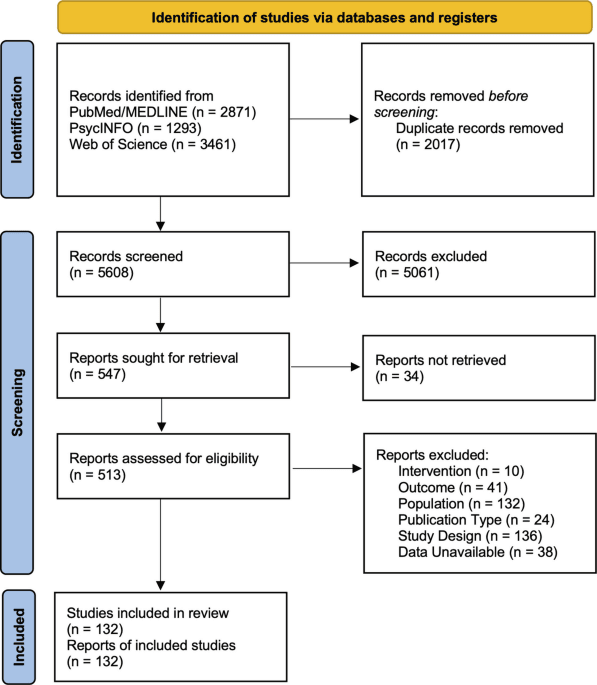
A meta-analysis of 132 randomized trials of people ages 18 to 30 found that structured mindfulness programs produced measurable improvements in anxiety, depression, stress, distress, positive affect, negative affect, mindfulness, and mindfulness facets, with the strongest signal in the most structured programs.
What the review actually found
The review included 6,883 participants and 6,910 controls, then used three-level random-effects models to test outcomes across symptom and skill measures. The average effects were significant, with effect sizes above g = 0.29.
It does not say every meditation app, every breathing drill, or every loosely labeled mindfulness class will land the same way. In young adults, structured mindfulness-based programs can move both distress and the underlying habits of attention and awareness, just not with the same strength across every outcome.
Which programs showed the clearest benefits
The most reliable mental health gains came from multimodal mindfulness programs, mindfulness-based cognitive therapy, mindfulness-based stress reduction, and derivatives of those models. Those are the names to look for if you want something with a recognizable curriculum rather than an unstructured wellness offer.
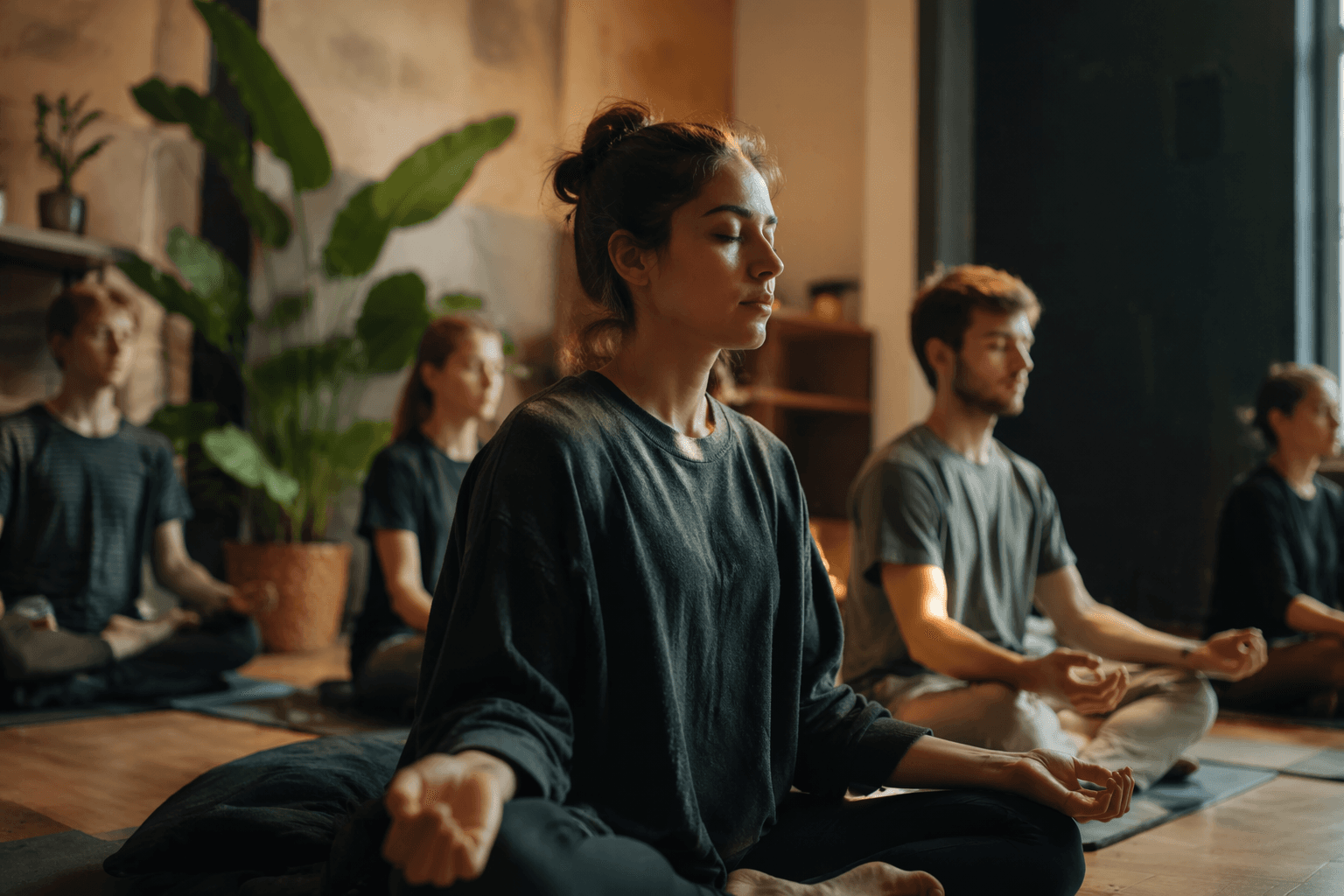
Mindfulness-based stress reduction, launched by Jon Kabat-Zinn in 1979, remains the classic template, and mindfulness-based cognitive therapy grew out of that tradition. These are the best-known standardized programs in the field, often built as 8-week courses and commonly delivered in groups, which gives them a clearer shape than the catch-all idea of “doing mindfulness.”
The strongest evidence sat with set curricula and repeated practice, not a vague promise to “be more mindful.”
Where the practice signal was strongest
The review did not only track symptoms. It also looked at mindfulness itself, including mindfulness facets, and the most reliable gains showed up in monitoring-focused facets. These programs most reliably sharpened the skill of noticing what is happening in the moment, not simply flattening mood in a broad, instant way.
If the goal is to build attention, emotional monitoring, and a steadier relationship to stress, the evidence points more clearly toward structured practice than toward a generic relaxation routine. If the goal is a sweeping fix for everything from burnout to sadness to concentration, the evidence is much thinner.
Where the evidence stays thin
The review also puts hard limits around its own optimism. Evidence certainty ranged from moderate to low because of risk of bias and likely publication bias in some outcomes, and there was substantial residual heterogeneity. In plain terms, the field still has a lot of variation it cannot fully explain.
Intervention and study characteristics accounted for only 6% to 15% of that heterogeneity, which means most of the difference between studies remains unresolved. Format matters, but not enough for the field to declare one universal winner for every student, every campus, or every delivery setting.
Hybrid, online, and self-guided delivery were also effective in a prepublication summary of the same paper, but the evidence is still uneven. Structured delivery can work in more than one setting when the curriculum stays intact.
Why the young-adult focus matters
In the CDC’s 2024 update, 40% of U.S. high school students said they felt persistently sad or hopeless in 2023, down from 42% in 2021 but still above 2013 levels. The World Health Organization estimates that 14.3% of 10- to 19-year-olds experience a mental health condition, which is why early intervention and prevention keep coming up in both school and campus settings.
The 2024 Healthy Minds Study, which surveyed more than 100,000 college students across 200 universities in the United States, found lower anxiety and depression and more students receiving care.
How to choose a program now
If you are a student, parent, or campus leader deciding where to start, the evidence points to a few simple filters:
- Look for a named program such as MBSR, MBCT, or a derivative with a fixed curriculum.
- Favor programs that spell out duration and structure, especially the familiar 8-week format.
- Treat online, hybrid, or self-guided options as promising only when they preserve the program’s structure, not just its branding.
- Expect gains in stress, distress, and mindfulness skills, but not a cure-all.
This article was produced by Prism’s automated news system from verified source data, official records, and press releases, then run through automated quality and moderation checks before publishing. The system is built and supervised by the people who set the standards it runs under. Read our full AI policy.
Know something we missed? Have a correction or additional information?
Submit a Tip