Mindfulness Meditation Makes Present-Moment Awareness Simple and Effective
Start with breath or body, not perfection: mindfulness works best when you match the practice to your stress, attention span, and day.
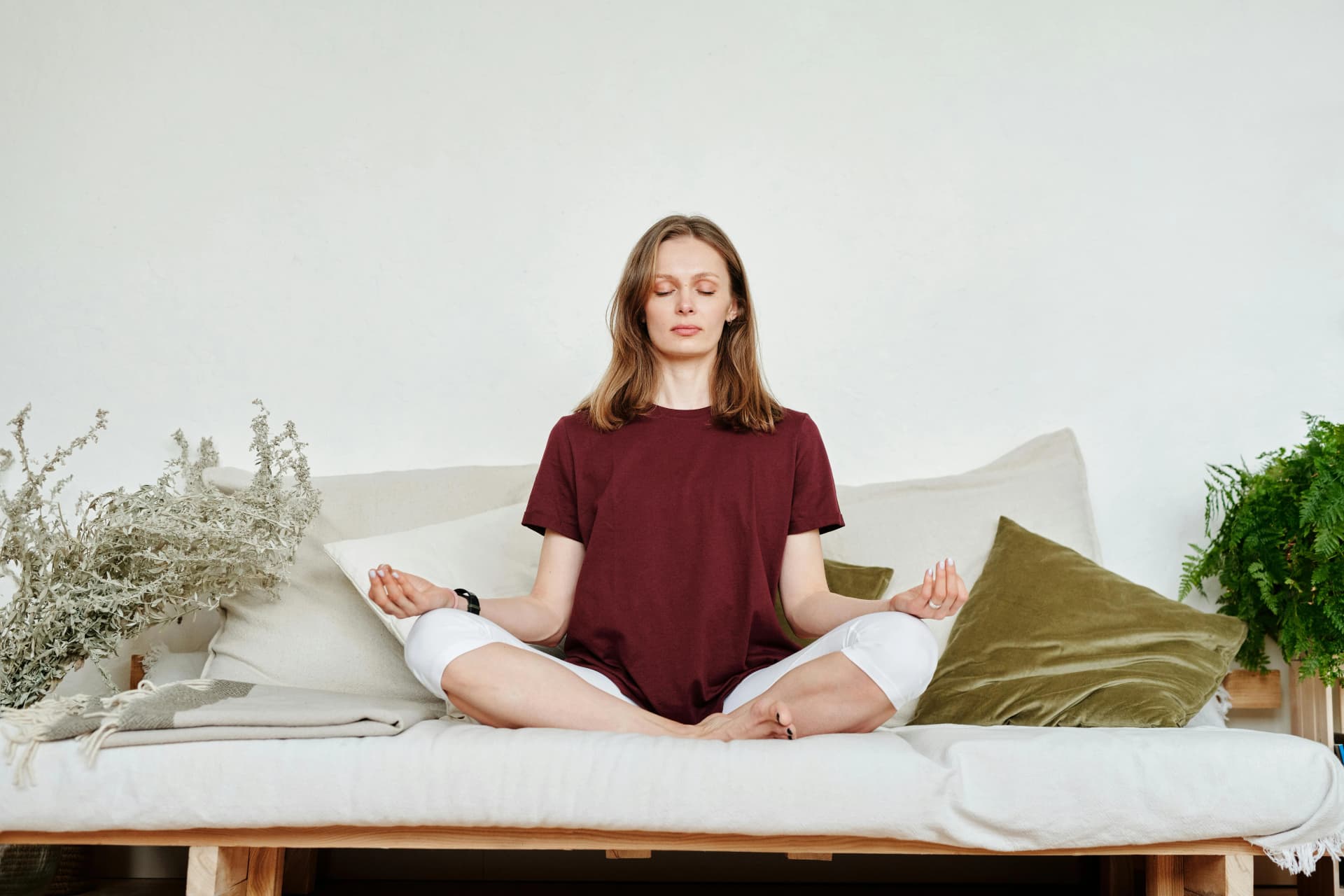
If you want mindfulness to feel useful instead of vague, stop treating it like one habit. The easiest way in is to match the practice to what you need right now: a few quiet minutes, a body-based reset, a guided session, or a structured program that keeps you coming back.
What mindfulness actually is
Mindfulness meditation is present-moment awareness paired with a non-judgmental attitude. In plain terms, you pay attention to what is happening right now, then notice thoughts and feelings without trying to bulldoze them or make them disappear. That is why the practice is not about emptying the mind or chasing a special state, but about training attention with curiosity and kindness.
The tradition has Buddhist roots, but the modern version many people use is deliberately practical. You can do it anywhere, anytime, with no equipment, and the point is not performance. Johns Hopkins puts it clearly: mindfulness meditation is not about changing your experience. The skill is learning to stay with experience more steadily, which is why researchers and teachers keep linking it to reduced anxiety, better emotional regulation, and a greater sense of inner peace.
The science-backed promise is real, but so is the caution. The National Center for Complementary and Integrative Health says mindfulness and meditation may help people manage anxiety, stress, depression, pain, and withdrawal symptoms. It also notes that mindfulness is not risk-free. In a 2020 review of 83 studies involving 6,703 participants, negative experiences showed up in 55 studies, and about 8% of participants reported a negative effect, most often anxiety or depression. That is worth remembering because it keeps the practice honest: mindfulness is a tool, not a guarantee.
APA describes mindfulness meditation as having two main parts, attention and acceptance. A 2023 APA database entry also points to attention monitoring, acceptance, decentering, self-compassion, and nonreactivity as the mechanisms researchers think may explain why it helps. That framing matters for beginners, because it lowers the pressure. You are not trying to win at meditation. You are learning how to notice, return, and stay present.
Breath awareness: the simplest place to begin
If you only have one practice in your pocket, make it breath awareness. Sit comfortably, notice the natural rhythm of your breathing, and pay attention to details you usually miss, like the temperature and texture of the air as it enters and leaves. When your mind wanders, bring it back to the breath. That return is the practice.
This is the best starting point if your attention is scattered or your schedule is tight. Five to ten minutes a day is enough to build the habit, and it is a practical fit for people who want a short session they can actually repeat. The common mistake is treating mind-wandering like failure, then getting frustrated because the mind keeps doing what minds do. Don’t fight that. Notice it, return to the breath, and keep going.
Breath awareness works well because it is small enough to be sustainable. You do not need a cushion, an app, or a perfect mood. You just need a few minutes and the willingness to come back again and again.
Body scan: best when stress lives in your muscles
If stress shows up physically, the body scan is the next move. In this practice, you move your attention systematically through the body and notice tension, warmth, pressure, or comfort without trying to change anything. You are not hunting for problems. You are learning how the body holds experience.
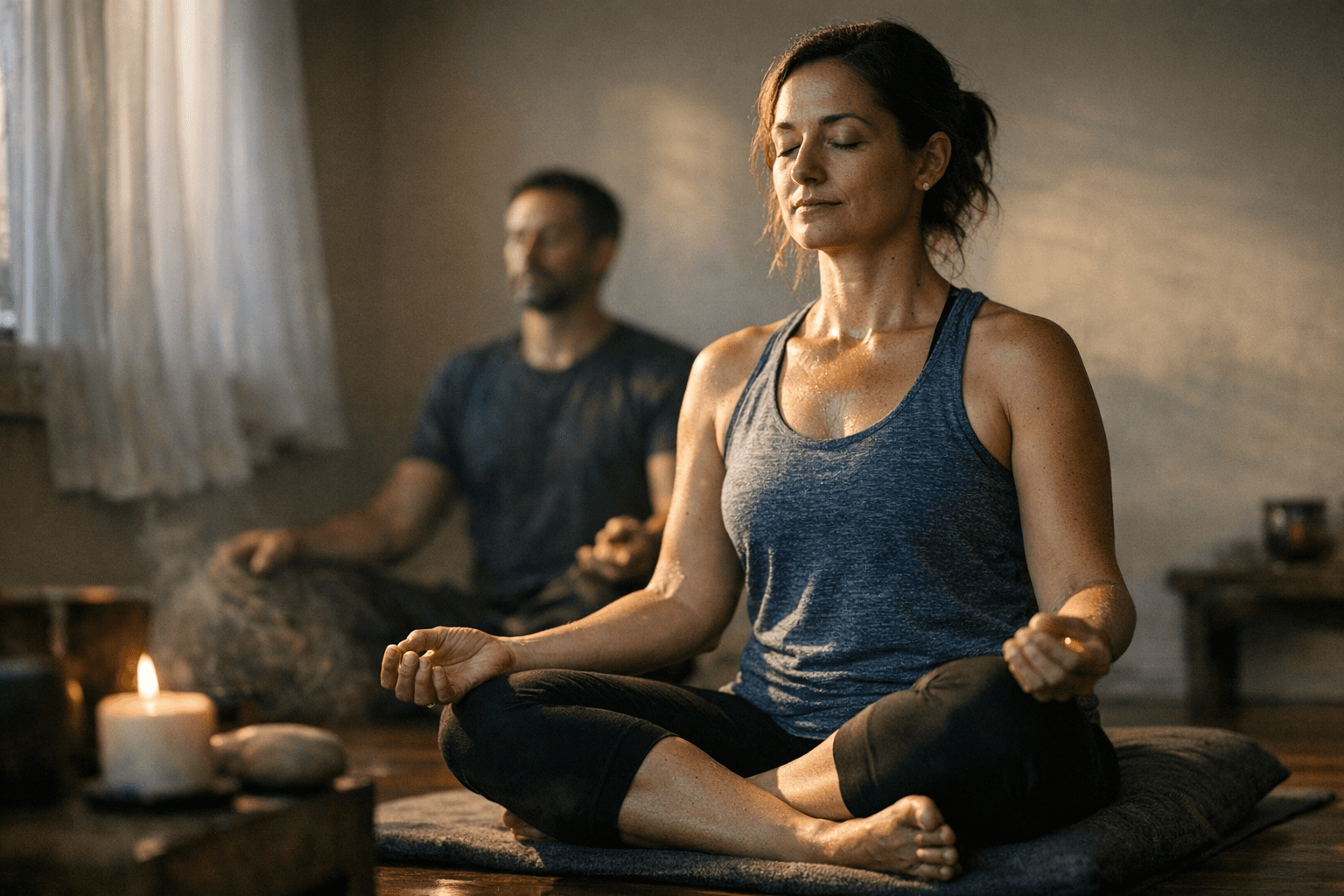
This approach comes from the original Mindfulness-Based Stress Reduction program, developed by Jon Kabat-Zinn in 1979 at UMass Memorial Medical Center. UMass says the eight-week MBSR program is evidence-based, and hundreds of thousands of people around the world have completed it. That history is important because the body scan is not a trendy add-on. It is one of the core methods that made mindfulness recognizable to modern medicine.
The biggest beginner trap is turning the body scan into a repair mission. You feel tension in your jaw, then you immediately start trying to erase it. That misses the point. The job is not to force relaxation on command. It is to notice what is there clearly enough that your relationship to it can soften. For a lot of people, that is enough to reduce the grip of stress.
Guided sessions and MBSR: best when you want structure
If you get lost in silence, use a guide. Johns Hopkins offers guided meditations for exactly that reason, and structured audio can be a smart entry point when you want instructions to keep you anchored. A guided session is especially useful on high-stress days, when it is harder to keep attention on your own.
If you want a more complete path, MBSR is the classic container. The eight-week format gives you repetition, which is where mindfulness starts to stick. It is a strong fit if you prefer a plan, want accountability, or like the idea of learning the practice in a step-by-step sequence rather than piecing it together on your own. The mistake here is expecting immediate transformation from the first session. MBSR works because it trains attention over time, not because one week suddenly changes everything.
This is also where mindfulness becomes less abstract. Harvard says mindfulness and meditation can reduce stress, and that students exposed to mindfulness in the classroom may show lower stress and longer attention spans. That lines up with the way guided formats work in real life: they give your attention a job when your own mind is too noisy to steer cleanly.
How to choose the practice that fits your day
The cleanest way to choose is to start with your current state, not with what sounds enlightened.
- If you have five to ten minutes and your mind is all over the place, start with breath awareness.
- If your body feels tight, heavy, or wired, use a body scan.
- If you need help staying on task, use a guided meditation.
- If you want a formal path with built-in structure, choose MBSR.
That simple sorting system is why mindfulness keeps showing up in workplaces and schools. A workplace evidence map found growing organizational uptake of mindfulness programs aimed at employee health, wellbeing, and performance. Systematic reviews of school-based mindfulness interventions report benefits for stress and emotional and behavioral regulation in youth, with some evidence for attention and executive function as well. This is not just a wellness trend floating above daily life. It is a practical skill that fits into ordinary settings where stress, focus, and self-regulation actually matter.
Mindfulness becomes effective when you stop expecting one perfect method and start using the right one for the moment you are in. Breath, body, guided practice, and MBSR give you a clear starting map, and the best one is the one you can return to tomorrow.
This article was produced by Prism’s automated news system from verified source data, official records, and press releases, then run through automated quality and moderation checks before publishing. The system is built and supervised by the people who set the standards it runs under. Read our full AI policy.
Did this article answer your question?