Mindfulness meditation starts with pausing, noticing, and returning to breath
The real reset is smaller than people think. Shalini Bahl turns mindfulness into a quick pause, a breath, and a clean break from autopilot in ordinary moments.
Stop before the habit takes over
The best thing about Shalini Bahl’s practice is how little it asks for. Instead of chasing a perfectly quiet room or a polished meditation session, it starts with a hard stop, a look around, and one return to breath before the usual mental momentum takes over. That makes it useful in the places where people actually lose themselves, like scrolling without thinking, snapping mid-argument, or juggling too many things at once.
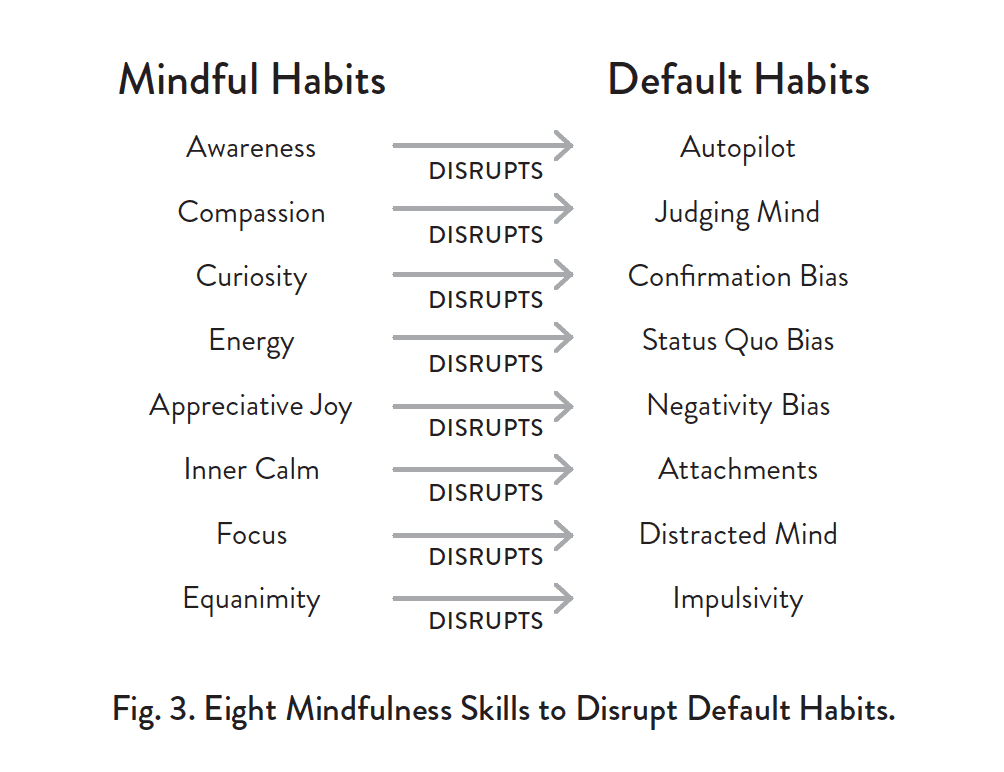
Bahl’s framing strips mindfulness down to something practical: stop, notice, breathe, and gently interrupt the engrained habits of thought that keep running on autopilot. The point is not to force a blank mind. The point is to catch reactivity early enough that it does not harden into stress, resentment, or another round of distracted multitasking.
What the practice is really training
At its core, this is a practice in interruption. Bahl invites the reader to notice the body, feel the breath, and observe the moment distraction appears, then observe the return. That repeated return is not a failure of concentration, it is the meditation itself.
That is why the practice lands so well for overwhelmed readers. It does not ask for a retreat schedule or an ideal cushion setup. It treats each small moment of awareness as the actual work, which is a much more realistic standard for anyone trying to stay present inside a workday, a family day, or a day packed with digital noise.
The micro-practice version fits real life
The strongest editorial move here is the micro-practice. The materials pair an extended version of the practice with a shorter option that fits busy days, which makes the teaching easier to use when time is tight or attention is already frayed. That matters because the biggest barrier to mindfulness is often the belief that it only counts if it is long, quiet, and uninterrupted.
In practice, the shorter version becomes a kind of off-ramp. You can use it while the inbox piles up, when you feel yourself getting pulled into a text thread, or right before you answer a message you know could turn sharp. The value is not in doing something elaborate. It is in breaking momentum long enough to choose the next move with a little more care.
A simple way to work it is this:
- Stop for a beat, even if the stop is brief.
- Notice what is happening in the body, the breath, and the mind.
- Return to the breath, then re-enter the moment with less autopilot.
That sequence is small on purpose. It is also repeatable, which is exactly why it can travel with you through ordinary life instead of staying trapped in formal sitting practice.
Why the stress research lines up with this approach
The larger evidence base supports this kind of everyday application. The World Health Organization says stress can affect both the mind and the body, and that learning to cope with stress can support mental and physical well-being. Its guide, *Doing What Matters in Times of Stress: An Illustrated Guide*, says a few minutes each day are enough to practice the self-help techniques. That fits Bahl’s emphasis on short, usable pauses instead of all-or-nothing meditation ideals.
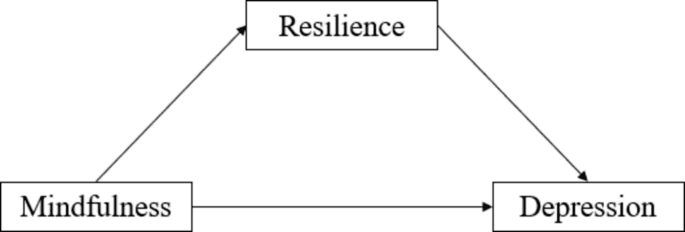
The National Center for Complementary and Integrative Health takes a similarly grounded view. It says mindfulness and meditation may help with anxiety, stress, depression, pain, and symptoms related to withdrawal from nicotine, alcohol, or opioids. It also notes that few studies have examined these practices for potentially harmful effects, and a 2020 review of 83 studies involving 6,703 participants found that 55 studies reported negative experiences related to meditation practices. That is a useful reminder that mindfulness is not a magic trick and not everyone has an easy experience with it.
Still, the broader research is encouraging. A 2021 review in PubMed concluded that mindfulness-based interventions are effective for improving many biopsychosocial conditions. A 2013 review found that mindfulness can increase subjective well-being, reduce psychological symptoms and emotional reactivity, and improve behavioral regulation. Taken together, the pattern is clear enough to matter: mindfulness is not being presented as a cure-all, but as a real self-regulation tool with measurable benefits and real limits.
Why Bahl’s background gives the teaching weight
Bahl is not presenting this as an isolated wellness tip. In related materials, she is identified as the author of *Return to Mindfulness: Disrupting Default Habits for Personal Fulfillment, Effective Leadership, and Global Impact*, the founder of Sama Life, a certified MBSR and Search Inside Yourself teacher, a TEDx speaker, and a former town councilor. Those roles point in the same direction as the practice itself: mindfulness is being framed as something you can carry into leadership, work, public life, and the messy business of being human.
That breadth matters because it keeps the teaching from drifting into abstraction. The message is not that you should retreat from daily demands to become a better meditator. It is that the daily demands are exactly where the practice belongs, because that is where autopilot does the most damage.
A practice you can use the next time you feel yourself accelerate
The whole point of Bahl’s approach is to make mindfulness usable before overwhelm takes over. When the scroll gets mindless, the argument starts to escalate, or the multitasking starts to fray your attention, the move is the same: stop, notice, breathe, and return. That tiny interruption is not a warm-up for the real practice. It is the real practice, and it is enough to start changing the way a day unfolds.
This article was produced by Prism’s automated news system from verified source data, official records, and press releases, then run through automated quality and moderation checks before publishing. The system is built and supervised by the people who set the standards it runs under. Read our full AI policy.
Know something we missed? Have a correction or additional information?
Submit a Tip