Mindfulness meditation studies separate real benefits from wellness hype
Mindfulness is real, but the strongest evidence is narrower than the hype. Regular 10-to-20-minute practice looks useful, while claims of a cure-all still outrun the data.

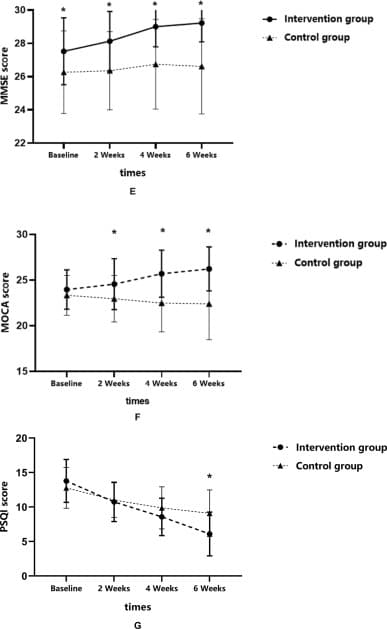
Mindfulness meditation is not one thing, and that is where the hype usually starts to slip. The strongest recent evidence points to real, measurable benefits, but only when you stop treating every app prompt, workplace program, and silent sit as if they were the same intervention. For an average practitioner, the useful takeaway is simple: mindfulness can help, but the gains are usually modest, specific, and tied to consistent practice rather than spiritual overpromising.
What benefit is strongest?
The clearest evidence still centers on stress-related and mental health outcomes, not on the fantasy that mindfulness will rewrite your life overnight. A science-focused review backed by the American Psychological Association argues that mindfulness meditation changes the brain and biology in measurable, positive ways, which is about as far from vague wellness language as this topic gets. That matters because it moves the conversation from “feels good” to “produces effects you can actually measure.”
But the honest version of that claim is narrower than the marketing. The evidence does not say mindfulness is a universal fix for anxiety, burnout, mood, sleep, or productivity. It says there are real benefits, and that the best-supported gains are the kinds you can track in daily life: less reactivity, better emotional regulation, and a steadier response to stress. If you are looking for a miracle, you will overpay for disappointment. If you are looking for a practice that reliably makes you a little less twitchy under pressure, the data is much more encouraging.
Which mindfulness practice are we even talking about?
This is the part most wellness coverage flattens, and it is the most important practical correction. Mindfulness is not one uniform intervention, and the difference between formats changes what the evidence means for you. Mindfulness-Based Stress Reduction, usually called MBSR, is an eight-week program that combines meditation, psychoeducation, and informal practice. That is not the same thing as opening an app for five minutes between meetings.
Mindfulness-Based Cognitive Therapy, or MBCT, is used for depression relapse prevention. Mindfulness-Based Relapse Prevention, or MBRP, is built for substance use disorders. Then there is app-guided or self-directed practice, which is now studied as its own separate category. That distinction matters because a headline about “mindfulness” can sound broad and convincing while actually describing a very specific protocol for a very specific problem.
If you want the most evidence-aware approach, match the tool to the use case. MBSR is the classic general-purpose program. MBCT is a clinical relapse-prevention model. MBRP is aimed at recovery support. App-guided practice is useful, accessible, and increasingly studied, but it should not be confused with a structured therapeutic course simply because both involve sitting still and watching the breath.
How much practice was studied, and what does a real routine look like?
The research points away from heroic, all-day commitment and toward something much more ordinary. The 2026 Meditation Practice Report found that 61.6 percent of practitioners meditate daily, with 10 to 20 minutes the most common session length. That is a useful reality check because it matches what most people can actually maintain. The most defensible routine is not the one that sounds impressive, it is the one you can repeat after work, before bed, or before the inbox gets away from you.
That is also where the evidence becomes more practical than aspirational. If your schedule makes 45-minute sits unrealistic, the data does not punish you for it. A steady 10-to-20-minute practice is the common pattern among people who already meditate regularly, which suggests that durability matters more than dramatic session length. The point is not to perform mindfulness perfectly. It is to keep showing up often enough that your attention and reactivity actually change.
What is solid enough to guide your routine?
The strongest evidence is strong enough to tell you how to think, even if it does not give you a single magic formula. Regular practice appears to matter more than intensity alone. Structured programs have clearer use cases than generic “mindfulness content,” and the same label can hide very different outcomes depending on whether the intervention is an eight-week course, a relapse-prevention protocol, or a phone app.
That is the level of honesty you want when setting a routine. If you are deciding what to do this week, the evidence supports a modest, repeatable practice, not a total lifestyle overhaul. It also supports a realistic expectation: you are likely to get incremental benefits, not a dramatic personality transplant. That is still useful. Incremental benefits are what keep most people practicing after the novelty wears off.
Where does the wellness hype still outrun the data?
The unresolved questions are where the story gets more interesting, and where the marketing tends to get sloppy. Researchers are still working through adverse effects, dose-response, and which style of meditation matters most. The field is also asking who benefits most, how much practice is enough, and what conditions matter. Those are not side notes. They are the exact questions that determine whether a practice helps a given person or just gets packaged as a generic wellness product.
The commercial backdrop makes that even more important. The global meditation apps market reached 2.20 billion dollars in 2025 and is projected to grow to 2.68 billion dollars in 2026. More than three-quarters of large employers plan to offer digital mindfulness resources this year, which means mindfulness is now built into workplace wellness as much as it is practiced privately on a cushion. That reach can be good, but it also means more people will encounter mindfulness in a diluted, productized form before they ever see a structured program.
What should you expect if you practice regularly?
Expect something useful, not magical. If you practice consistently, especially in the 10-to-20-minute range that most regular meditators use, you are in the neighborhood where benefits have the best chance of showing up in real life. You may notice less friction when stress spikes, a little more distance from rumination, and a steadier ability to return attention to the task in front of you.
That is the honest middle ground between cynicism and hype. Mindfulness is no longer a fringe idea, and the research is mature enough to separate signal from sales pitch. The real win is not a bigger promise. It is a cleaner one: pick the right format, keep the sessions short enough to repeat, and judge the practice by whether it makes your mind a little easier to live with on an ordinary Tuesday.
This article was produced by Prism’s automated news system from verified source data, official records, and press releases, then run through automated quality and moderation checks before publishing. The system is built and supervised by the people who set the standards it runs under. Read our full AI policy.
Did this article answer your question?